SShortSingh.
Back to feed

Ukraine War Prompts Push to Move Critical Infrastructure Underground

0
·79 views

The ongoing war in Ukraine has prompted renewed interest in relocating critical technology infrastructure below ground for protection. Policymakers and engineers are increasingly considering underground installations as a way to safeguard vital systems from attack. The conflict has highlighted the vulnerability of above-ground infrastructure to modern warfare and targeted strikes. Moving essential tech underground is being explored as a long-term resilience strategy for nations concerned about security threats.

Read the full story at BBC Tech

This is an AI-generated summary. ShortSingh links to the original source for the complete article.

Discussion (0)

Log in to join the discussion and vote.

Log in

Related stories

0
TechnologyArs Technica ·

FAA Considers More Starbase Traffic as Skyroot Lands a US Customer

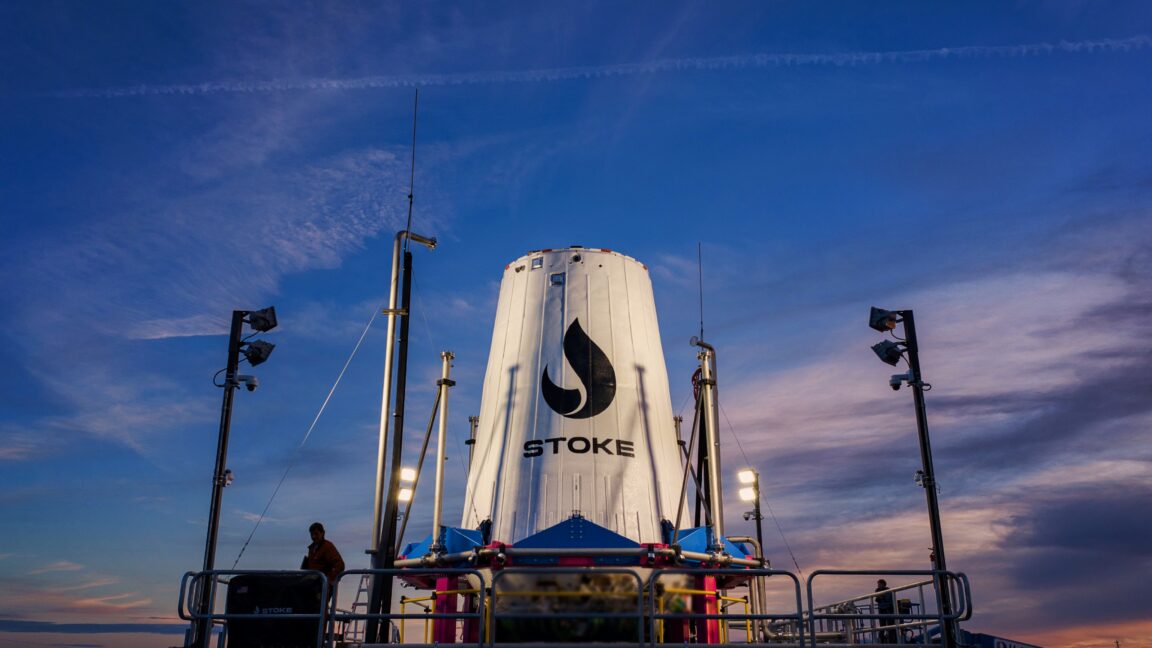
The FAA is weighing an increase in launch and flight traffic at SpaceX's Starbase facility, according to this roundup of rocket industry news. Separately, India's Skyroot Aerospace has secured a customer from the United States. The report also highlights testing progress on a pioneering reusable upper stage being developed for Stoke Space's Nova rocket. Details beyond these developments were not provided in the excerpt available for this summary.

0
TechnologyArs Technica ·

Blue Origin Commits Heavily to New Glenn Rocket Program

Blue Origin is making a major commitment to its New Glenn rocket, according to Ars Technica. The company is building infrastructure intended to support multiple New Glenn launches per week by the end of the decade. The article provided is brief, so further details such as specific investment amounts or timelines beyond this goal are not available in this source text. The move signals an ambitious push to scale up the company's launch capacity.

0
TechnologyArs Technica ·

Googlebook Review: Android on a Laptop Still Feels Like Android

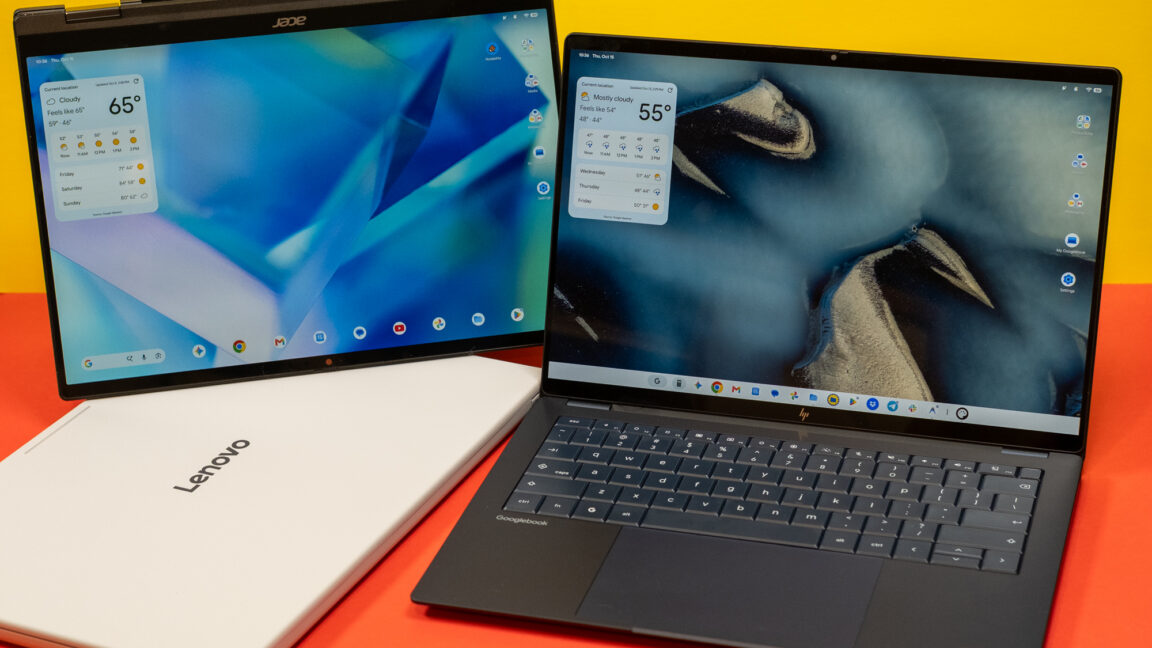
Google's Googlebook, an Android-based laptop, is now available as a review subject. The article finds that the device largely retains the traits of the phone operating system rather than offering a fully desktop-class experience. Its reviewer concludes that Android laptops have arrived, but that Google still faces considerable work to make the platform strong in this form factor. The source text is brief, so specifics such as pricing, hardware details, and performance benchmarks are not covered here.

0
TechnologyThe Verge ·

Global timekeeping body votes to scrap the leap second

The International Bureau of Weights and Measures voted on Thursday to abolish the leap second, a periodic adjustment used to keep official clocks aligned with Earth's uneven rotation. Members had earlier agreed to phase it out by 2035, but the decision has now been accelerated. The change will take effect on May 20 of next year, which coincides with World Metrology Day. The move is intended to avoid potential disruptions to digital infrastructure similar to the concerns raised around the Y2K bug. The article notes the timing reflects a reason that has not been seen before, though the full details are only available in the complete report.