SShortSingh.
Back to feed

UK Plans to Give Bank of England Formal Stablecoin Oversight Role

0
·35 views
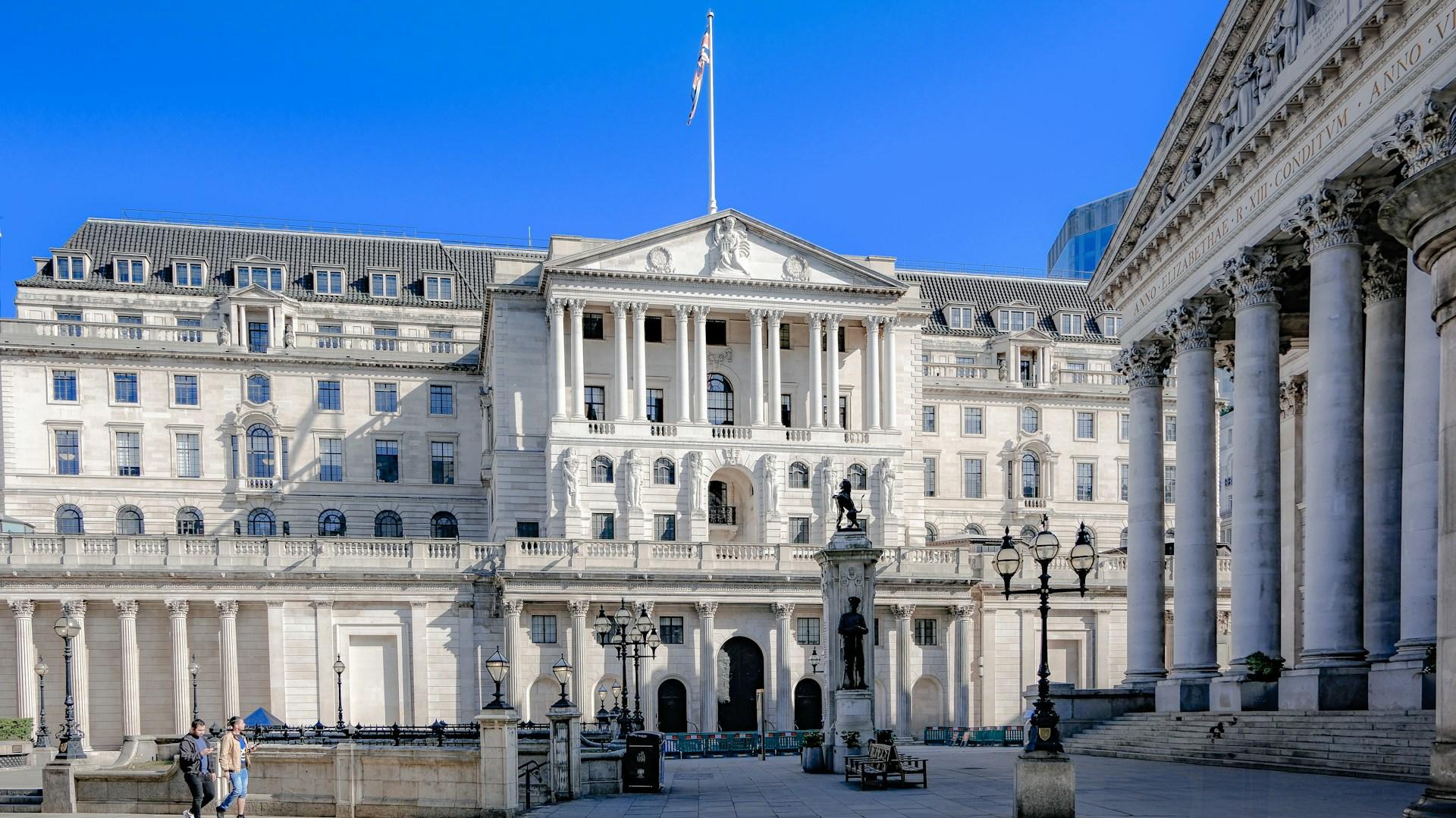
The British government is planning to assign the Bank of England a new official objective related to stablecoins. Financial stability would continue to be the central bank's primary responsibility under the proposed framework. The new mandate would require the Bank of England to submit annual reports to Parliament on its stablecoin-related activities. The move reflects the UK's broader effort to regulate the growing digital assets sector within its existing financial institutions.

Read the full story at CoinDesk

This is an AI-generated summary. ShortSingh links to the original source for the complete article.

Discussion (0)

Log in to join the discussion and vote.

Log in

Related stories

0
Crypto & Web3CoinDesk ·

Nearly $1 Billion in Crypto Bets Liquidated as Bitcoin, Ether and XRP Fall

Roughly $1 billion in leveraged cryptocurrency positions were forced to close as bitcoin, ether and XRP prices declined. Ether made up nearly 60% of these forced liquidations across the two largest cryptocurrencies. The ether price dropped about twice as sharply as bitcoin during the slide. Forced closures occur when traders' leveraged positions fall below required margin levels, amplifying market moves. The article does not specify the exact date or the precise size of each asset's decline.

0
Crypto & Web3CoinDesk ·

Bitcoin slips as Fed rate uncertainty weighs; Kospi drops 8%

Bitcoin declined as investors grew uneasy about the Federal Reserve's interest rate path. Following Wednesday's inflation report, market bets on an October Fed rate hike briefly climbed to nearly 50%. Those expectations have since eased back. The article also notes an 8% plunge in South Korea's Kospi index. The report provides no further detail on the specific drivers behind the Kospi decline.

0
Crypto & Web3CoinDesk ·

Kalshi CEO warns state-led oversight could force prediction markets out of US

Kalshi CEO Tarek Mansour commented on the ongoing legal dispute over the regulation of prediction markets in the United States. He expressed optimism about the eventual outcome of the legal proceedings. Mansour argued that if state-level authorities were to gain primary regulatory control, it could drive such markets out of the country. His remarks highlight the industry's concern over a potential patchwork of state regulations.
