SShortSingh.
Back to feed

Trump Labels Foreign Factory Robot Imports a National Security Threat

0
·1 views
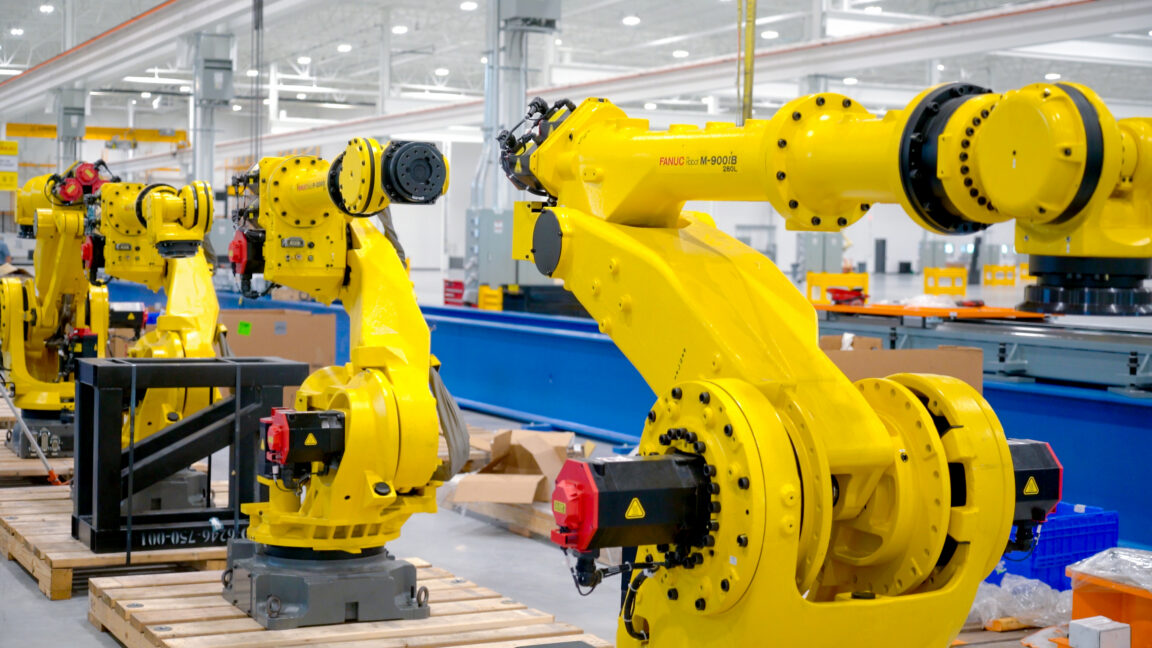
President Trump has formally declared that imports of foreign-made factory robots pose a threat to national security. He has directed officials to open trade negotiations over these products. The administration has also warned that tariffs could be imposed if the talks fail to produce results. The article provides limited detail beyond the President's order and tariff threat.

Read the full story at Ars Technica

This is an AI-generated summary. ShortSingh links to the original source for the complete article.

Discussion (0)

Log in to join the discussion and vote.

Log in

Related stories

0
TechnologyBBC Tech ·

Google shares hit six-month low as AI search summaries weigh on ad revenue

Alphabet's Google saw its stock fall to a six-month low after disclosing that its AI-generated search summaries were affecting advertising revenue. Investors reacted sharply to the admission, which raised concerns about the financial impact of AI features on its core business. The sell-off reportedly erased roughly $500 billion from the company's market value. The development highlights growing investor anxiety over how generative AI may reshape the search and advertising market.

0
TechnologyNYT Technology ·

Intel Shares Drop 20% as AI Boom Weighs on Parts of Its Business

Intel's stock plunged about 20% after the chipmaker reported weaker results in some areas of its business. The company said the ripple effects of the artificial intelligence boom had hurt its sales to personal computer manufacturers. Intel, whose largest investor is the U.S. government, has been closely watched as it navigates shifting demand for its chips. The sharp decline reflects investor concern about the company's exposure to these pressures.

0
TechnologyTechCrunch ·

GM agrees to $220M settlement over sale of drivers' private data

General Motors has reached a $220 million settlement over allegations that it sold drivers' private data. Under the terms of the agreement, GM must obtain drivers' express consent before collecting or sharing their driving and location information. The settlement addresses concerns about how the automaker handled personal data gathered from its vehicles. The case highlights growing scrutiny of data practices in connected cars.