Tectonic Forces and Climate Change Combine to Heighten Disaster Risk in Nepal
0
·1 views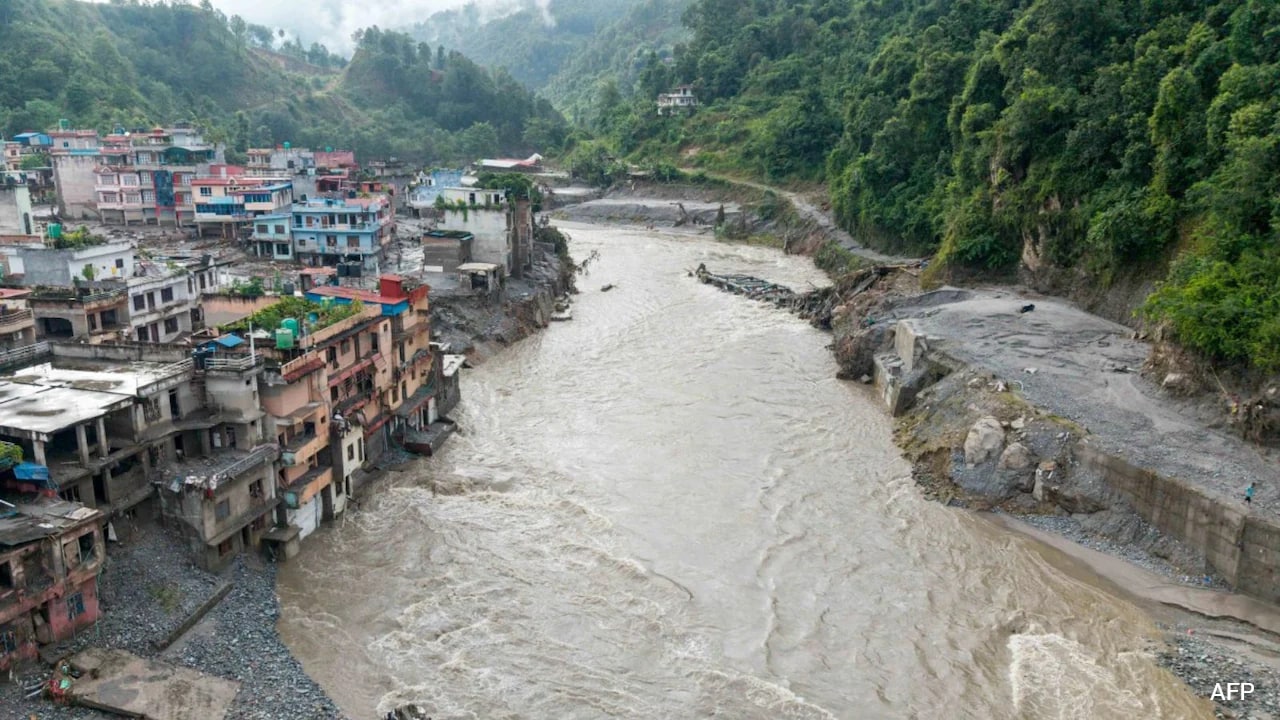
Nepal faces compounding natural hazards due to its position at the collision zone of the Indian and Eurasian tectonic plates, which grind together at approximately 20 millimetres per year. This ongoing geological activity makes the country inherently prone to earthquakes and landslides. At the same time, rising temperatures driven by climate change are accelerating the melting of glaciers across Nepal's high-altitude peaks. Together, these two powerful forces — tectonic instability and atmospheric warming — are intensifying the frequency and severity of natural disasters in the region.
This is an AI-generated summary. ShortSingh links to the original source for the complete article.




Discussion (0)
Log in to join the discussion and vote.
Log in