Smart contract blockchain Solana nearly froze Wednesday, Marinade Finance says
0
·46 views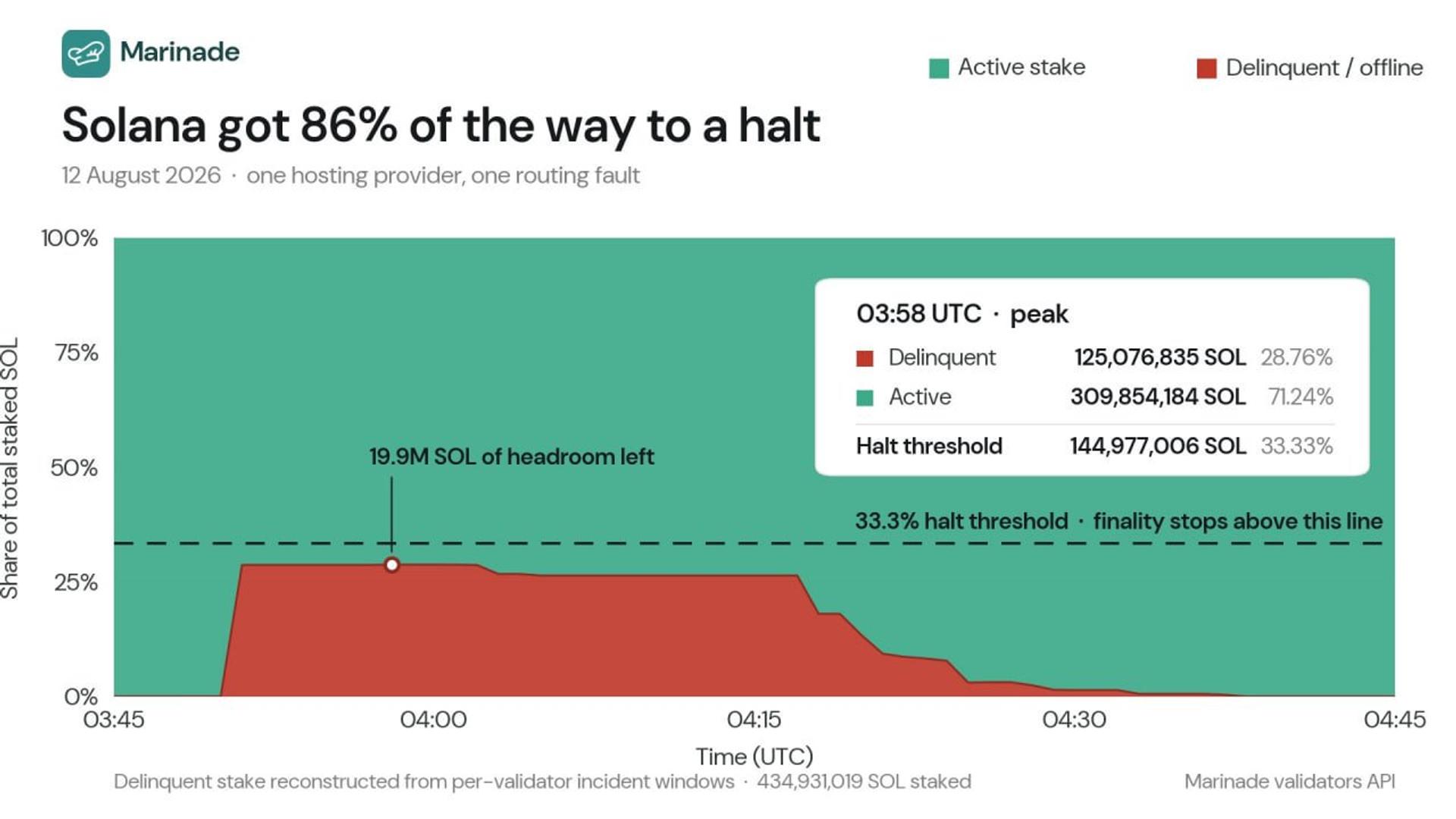
Read the full story at CoinDesk
This is an AI-generated summary. ShortSingh links to the original source for the complete article.
This is an AI-generated summary. ShortSingh links to the original source for the complete article.
Turkish media report that Richard Heart, founder of the crypto project Hex, has been detained in Istanbul. Police reportedly conducted a raid on his residence in the city. During the search, officers allegedly seized about $4 million in cash and 64 luxury watches. The reports did not provide further details on the charges or the legal basis for the arrest. The information comes from Turkish media outlets as relayed by CoinDesk.

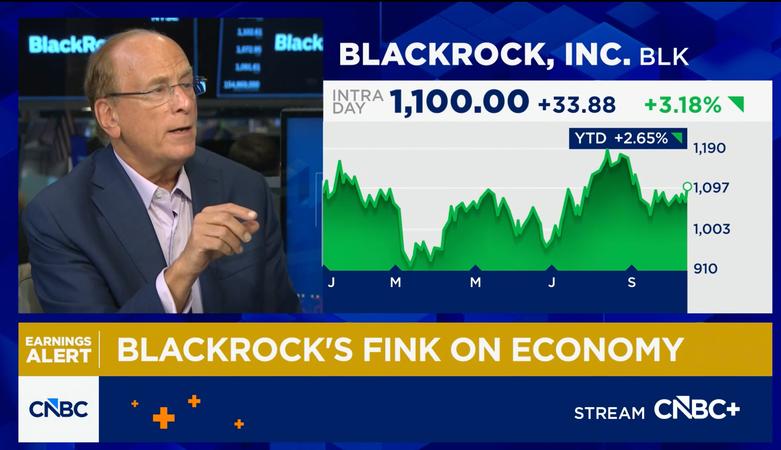
BlackRock CEO Larry Fink has warned that a moratorium on data center construction in the United States could push the economy into recession. He also raised concerns about the country's national debt, which he noted has surpassed $40 trillion. The comments highlight how heavily the economy now relies on data center investment. The source article does not provide further details on the timing or specifics of any proposed moratorium.
Roughly $1 billion in leveraged cryptocurrency positions were forced to close as bitcoin, ether and XRP prices declined. Ether made up nearly 60% of these forced liquidations across the two largest cryptocurrencies. The ether price dropped about twice as sharply as bitcoin during the slide. Forced closures occur when traders' leveraged positions fall below required margin levels, amplifying market moves. The article does not specify the exact date or the precise size of each asset's decline.

Binance Pool, which once handled about 2.3% of the Bitcoin network's computing power, is shutting down. Its hashrate has dropped from roughly 26 EH/s in December to about 9 EH/s. Remaining miners must move to another mining provider before the November 10 deadline.

Discussion (0)
Log in to join the discussion and vote.
Log in