SShortSingh.
Back to feed

SCO Summit in Kyrgyzstan Unites Major Powers on Its 25th Anniversary

0
·11 views
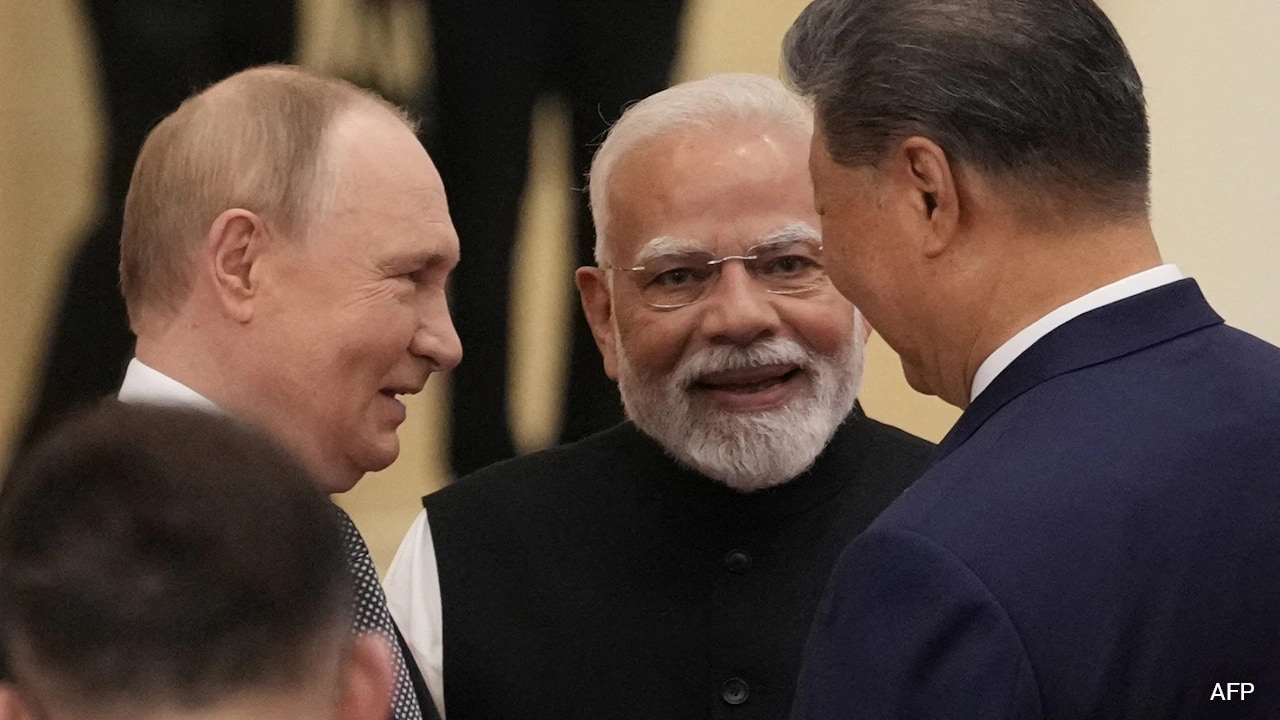
The Shanghai Cooperation Organisation (SCO) is holding its summit in Kyrgyzstan, marking the bloc's 25th anniversary. The meeting brings together major powers including India, Russia, China, Iran, and Pakistan under one roof. Central Asian nations and Belarus, a close Moscow ally, are also part of the grouping. The summit is significant given the diverse and often competing geopolitical interests of its member states.

Read the full story at NDTV

This is an AI-generated summary. ShortSingh links to the original source for the complete article.

Discussion (0)

Log in to join the discussion and vote.

Log in

Related stories

0
IndiaNDTV ·

Loni, Just 30 km From Delhi, Records Among the World's Highest Air Pollution Levels

Loni, a town in Uttar Pradesh about 30 km from Delhi, has been recorded as one of the most polluted places in the world. Over the past 12 months, its average PM2.5 concentration was 112.5 micrograms per cubic metre. That level is more than 22 times the annual limit of five micrograms recommended by the World Health Organisation. The figures highlight the severity of air quality problems in the town and its surrounding region.

0
IndiaNDTV ·

Rajeev Chandrasekhar Says China Ignores Global Norms, Questions Spending on R&D

Former Union minister Rajeev Chandrasekhar criticised China, saying Beijing prioritises its goals over any means and disregards global ethics and norms such as trust. His remarks came in response to a claim involving Nvidia and alleged spying. The statement was made in reaction to the allegation rather than as part of a formal government action. The article frames his comments as a jab at China's approach and at the case for investing in research and development. The source material provides limited further detail on the specific allegation.

0
IndiaIndian Express ·

How Gandhi envisioned India marking its first Diwali as an independent nation

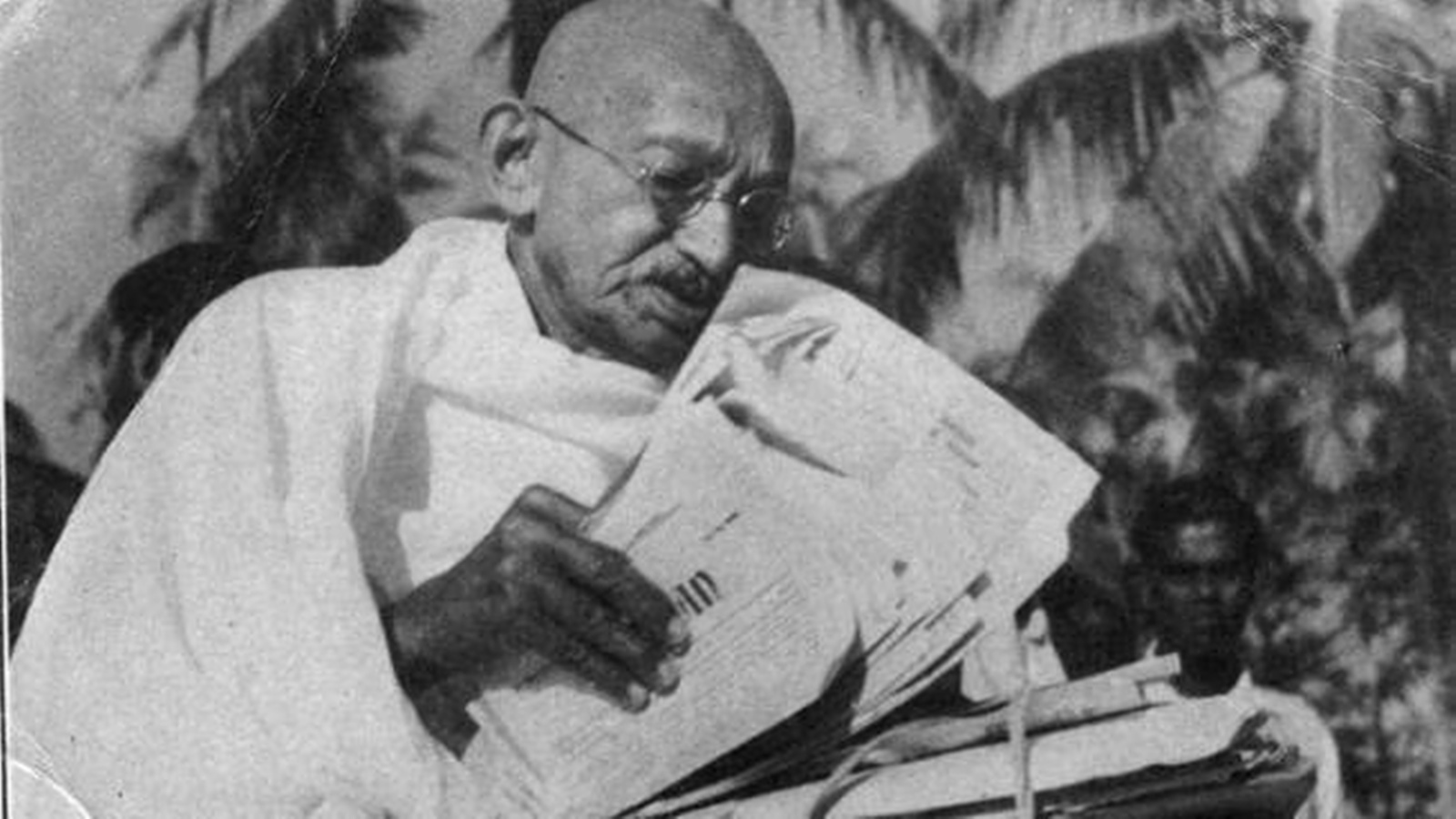
Mahatma Gandhi held firm views on how independent India should celebrate its first Diwali, favoring restraint and moral purpose over lavish display. He urged that the festival be observed in a simple, spiritually grounded way rather than through extravagant spending or fireworks. His thinking reflected a broader concern with self-reliance, austerity, and using national celebrations to serve the public good. The article examines these recommendations and the principles behind them as the country entered its first festive season after Independence.