SShortSingh.
Back to feed

RFK Jr. Fills FDA Advisory Panel With Peptide Sellers Amid Scientist Opposition

0
·18 views
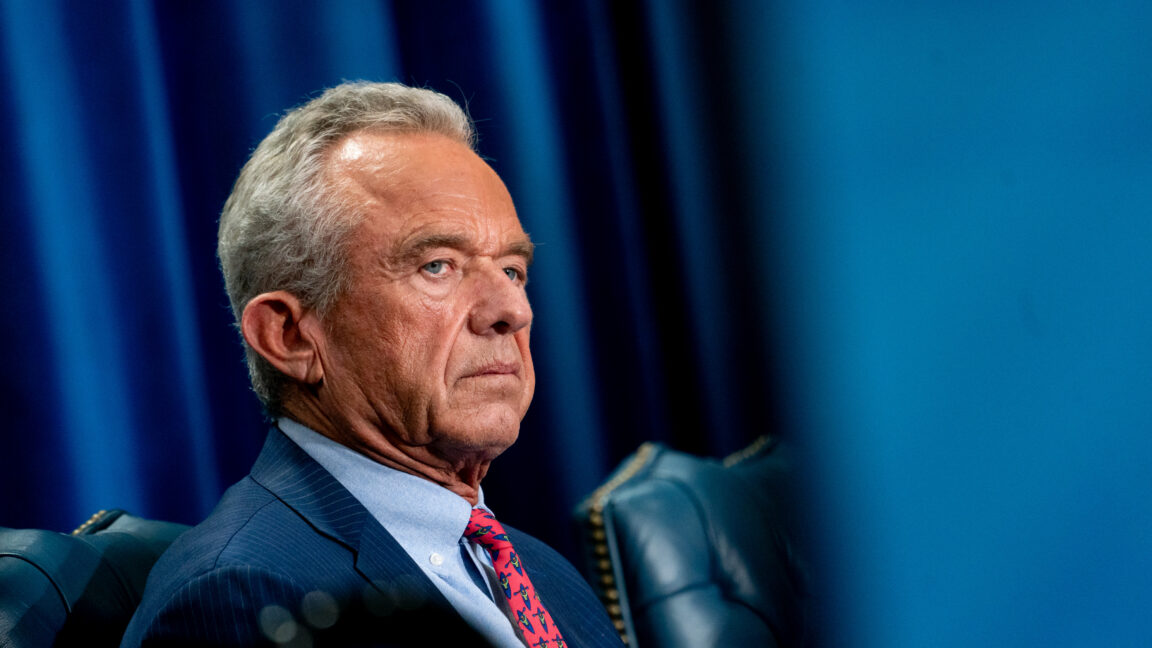
Robert F. Kennedy Jr. has appointed members to an FDA advisory panel who are associated with selling peptide drugs. FDA scientists have raised concerns, warning that these peptide compounds remain largely untested and could pose health risks. The move has sparked internal opposition within the agency from its own scientific staff. The appointments raise questions about potential conflicts of interest influencing federal drug oversight policy.

Read the full story at Ars Technica

This is an AI-generated summary. ShortSingh links to the original source for the complete article.

Discussion (0)

Log in to join the discussion and vote.

Log in

Related stories

0
TechnologyTechCrunch ·

Early iPhone Duo owners report cracked screens, prompting user complaints

A small group of early adopters of Apple's highly anticipated foldable phone, the iPhone Duo, has reported that its screen is cracking. The complaints have drawn attention because the device had generated significant hype before its release. The article notes that the number of affected users is small, though their dissatisfaction is clear. The reports center on the durability of the foldable display, a known concern for this category of device.

0
TechnologyNYT Technology ·

Key Figures from Anthropic's IPO Filing Reveal Business Health and Leadership

Anthropic, an artificial intelligence company, has filed for an initial public offering, and its filing discloses figures that shed light on the firm's financial condition. The numbers also offer clues about the company's plans for future growth. The filing additionally indicates who holds leadership and decision-making roles at the company. Taken together, the disclosed details provide a clearer picture of the business ahead of its potential public listing.

0
TechnologyTechCrunch ·

Fusion startups weigh giving government equity in exchange for funding awards

Fusion energy startups are facing a financial dilemma unrelated to their core physics research. They must decide whether to hand the government shares of their companies in return for funding awards. The alternative is to forgo such awards and pursue development independently. The article questions whether accepting government equity is a worthwhile trade-off for these companies.