SShortSingh.
Back to feed

Public Wi-Fi Risks: How to Protect Your Data and Avoid Fraud

0
·7 views

Using public Wi-Fi can put personal privacy at risk. The danger is greatest when people visit websites or use services that do not adequately encrypt the information they send. Such weak protection can leave sensitive data exposed to others on the same network. The original report focuses on how users can safeguard their information and avoid fraud while connected to these networks. Its key message is that caution matters whenever a connection is open and unsecured.

Read the full story at NDTV

This is an AI-generated summary. ShortSingh links to the original source for the complete article.
Discussion (0)

Log in to join the discussion and vote.

Log in

Related stories

0
IndiaNDTV ·

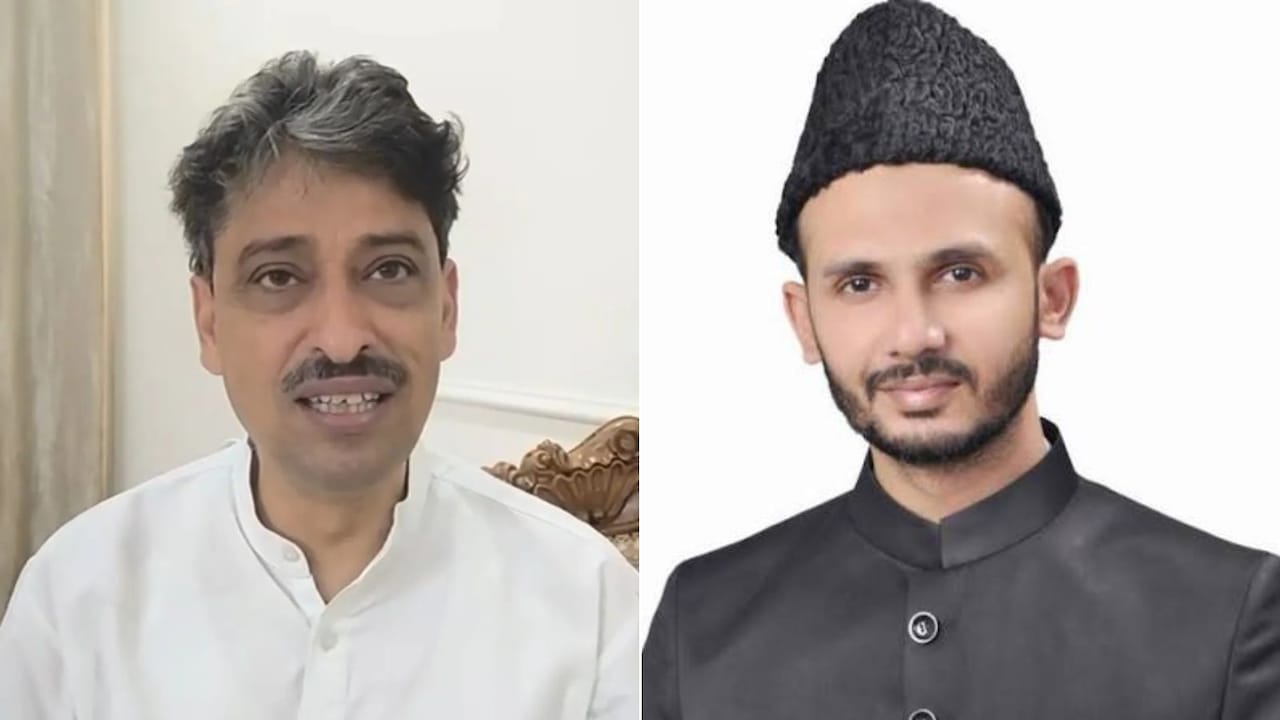
Samajwadi MP Calls Congress Outburst 'Personal' Amid Seat-Sharing Row

A Samajwadi Party MP has described the Congress's angry reaction as a personal matter rather than a party issue. The friction centres on seat-sharing, with the Samajwadi Party reportedly unwilling to allot more than 26 seats to the Congress. The offer has been seen by Congress as humiliating, given that Uttar Pradesh has 403 assembly seats in total. The article frames the dispute as a sign of strain between the two parties ahead of the electoral contest.

0
IndiaNDTV ·

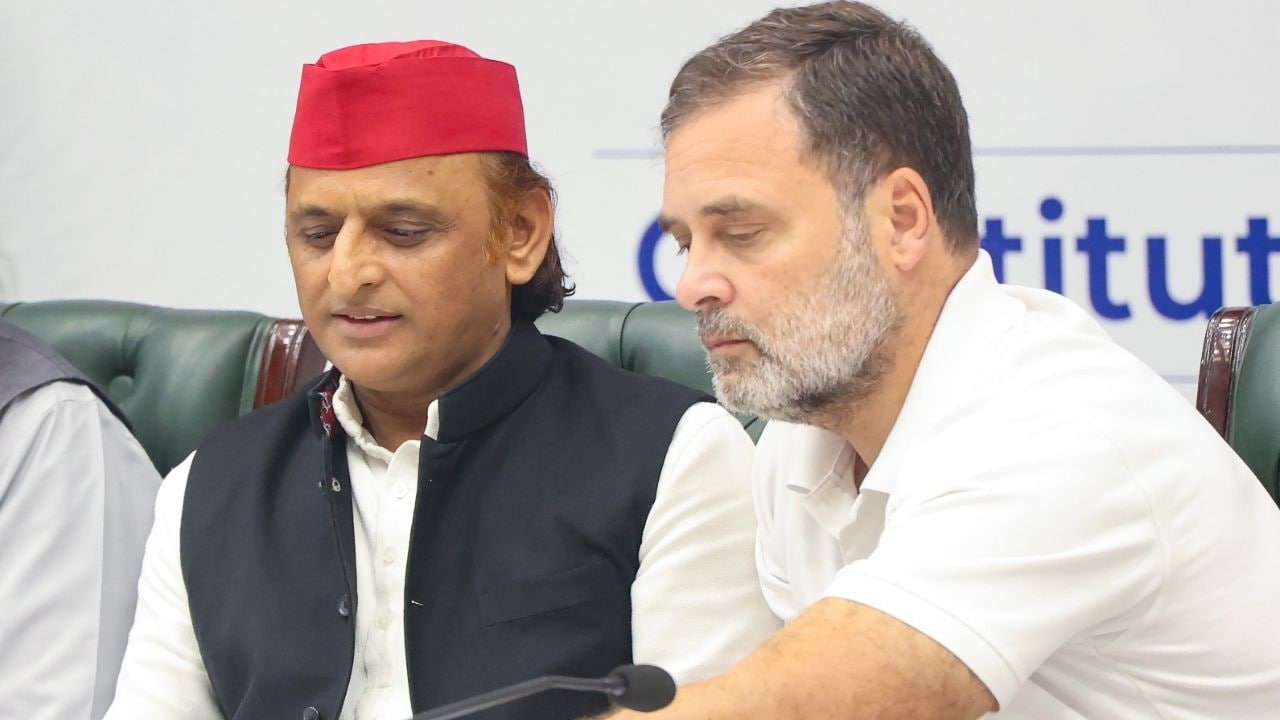
Amethi, Rae Bareli Seen as Possible Sticking Point in SP-Congress Seat Talks

Samajwadi Party, led by Akhilesh Yadav and playing the senior partner in Uttar Pradesh, has signaled it will not hand over any seat it won in the last election to the Congress or any other ally. This stance could complicate negotiations over seat-sharing between the two parties. Amethi and Rae Bareli are highlighted as particularly contentious constituencies in the talks. The report suggests these seats may prove to be a major hurdle in finalizing the alliance arrangement.

0
IndiaNDTV ·

Vande Mataram at J&K event sparks row; Mirwaiz cites objection based on Islamic beliefs

A controversy has erupted in Jammu and Kashmir after the national song Vande Mataram was performed at an event. The dispute centres on the song's perceived religious character, as it describes India as a motherland by invoking names of Hindu goddesses. Mirwaiz has explained his objection, stating that the practice is contrary to Islamic beliefs. The article reports the disagreement over the song's use at public functions in the region. Details beyond the perceived religious nature of the song are limited in the available text.