SShortSingh.
Back to feed

Portland teen develops training method to boost empathy in small AI models

0
·1 views

A 17-year-old student from Portland has developed a novel training technique that significantly improves the empathetic communication abilities of smaller artificial intelligence models. The method achieved high empathy ratings across multiple tests, demonstrating its effectiveness in making AI interactions feel more human-like. Unlike large AI systems, smaller models typically run on personal devices and have historically struggled with nuanced conversational skills. The student's research suggests a practical path toward deploying more emotionally intelligent AI on everyday consumer devices.

Read the full story at Times of India

This is an AI-generated summary. ShortSingh links to the original source for the complete article.

Discussion (0)

Log in to join the discussion and vote.

Log in

Related stories

0
IndiaNDTV ·

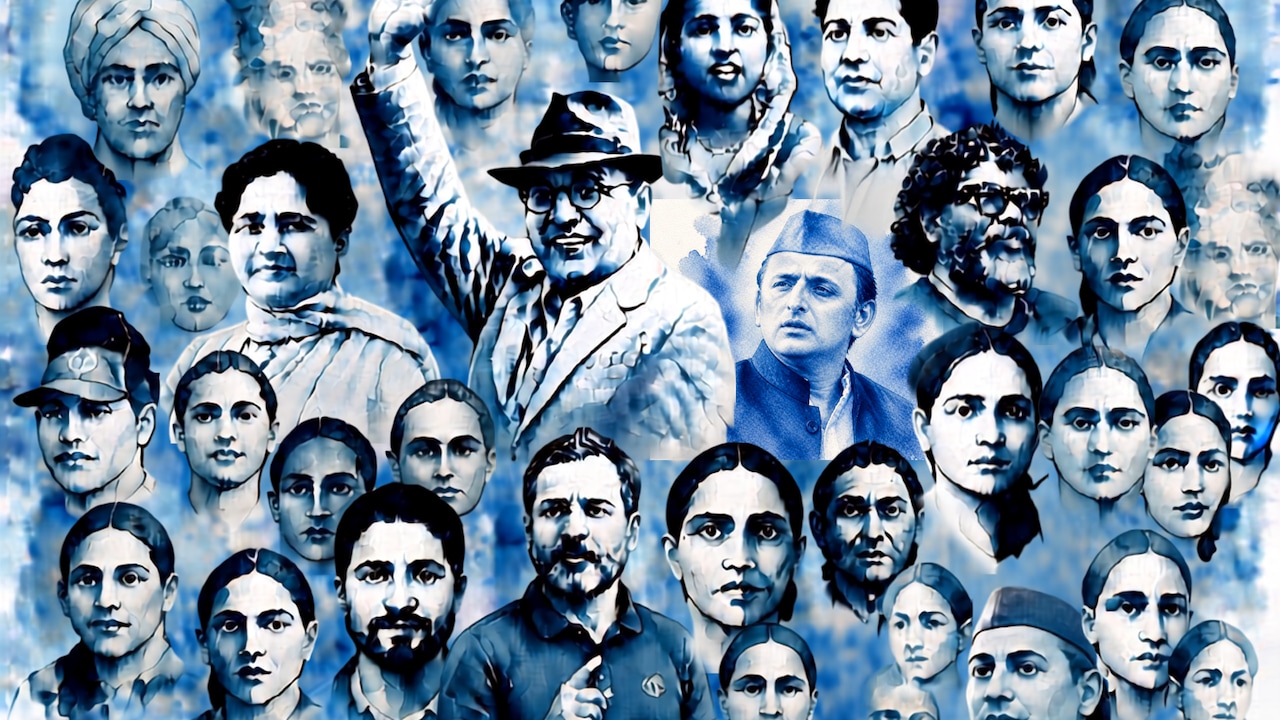
Mayawati Objects as Akhilesh Yadav's SP Adopts Blue, a Color She Claims as Her Own

A political dispute has emerged in Uttar Pradesh after Akhilesh Yadav's Samajwadi Party adopted the color blue, prompting strong objections from BSP chief Mayawati. Mayawati considers blue a symbol closely associated with her party and the Dalit movement it represents. The color holds deep historical and social significance in Indian politics, particularly as an emblem of Bahujan identity and Ambedkarite ideology. The row highlights how colors in Indian politics can carry powerful cultural and community meanings beyond mere aesthetics. The clash between the two leaders adds another layer to their long-standing political rivalry in the state.

0
IndiaTimes of India ·

NASA-Backed Scientists Turn Plastic Waste Into Edible Protein Cookies

Researchers supported by NASA are developing a method to convert plastic bottles and agricultural waste into edible proteins and vitamins. The process relies on genetically engineered yeast that breaks down these materials into consumable food components. The resulting product, called microbites, is formed into small cookie-shaped portions. Beyond space travel, the project aims to tackle global food scarcity and plastic pollution simultaneously. Scientists expect the technology could be ready for widespread use within the next few years.

Portland teen develops training method to boost empathy in small AI models · ShortSingh