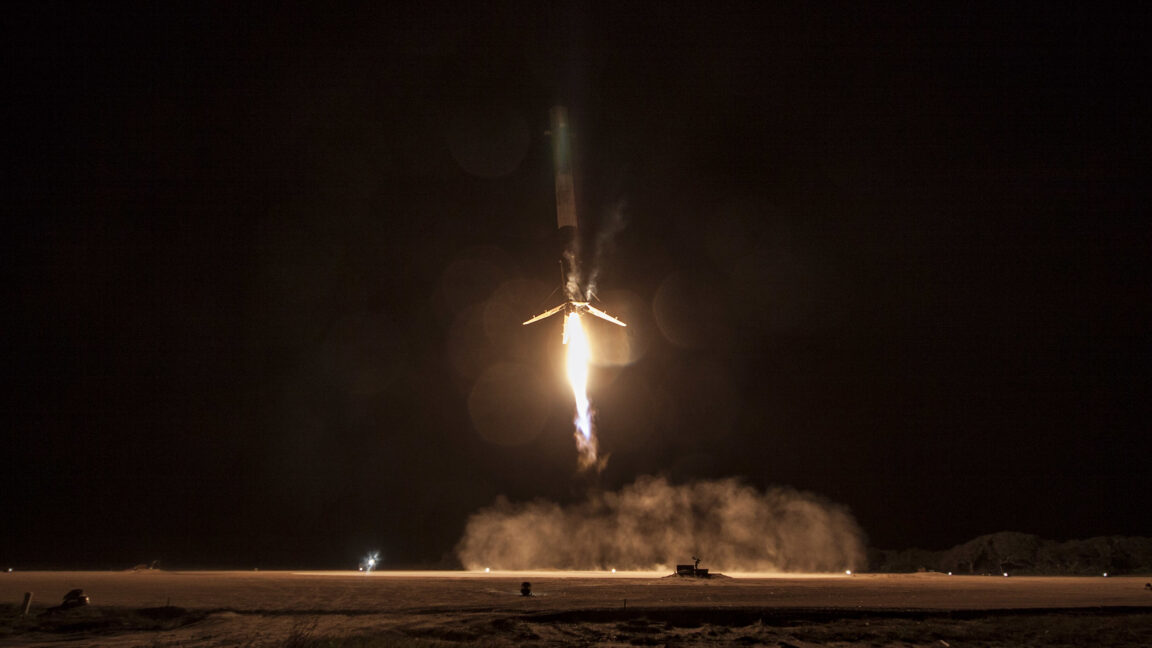
Policy experts: Europe stuck between "rock and a hard place" on launch

It turns out that the economics of rocket reuse are pretty, pretty good.
This is an AI-generated summary. ShortSingh links to the original source for the complete article.

It turns out that the economics of rocket reuse are pretty, pretty good.
This is an AI-generated summary. ShortSingh links to the original source for the complete article.
Two autonomous trucking companies, Aurora Innovation and Kodiak AI, have officially received permits to test self-driving trucks on California highways. The permits were granted by the California Department of Motor Vehicles. Both companies are among the growing number of firms developing autonomous commercial vehicle technology. This regulatory approval marks a significant step forward for self-driving freight transportation in the state.
Joshua Kushner, founder of Thrive Capital, issued a cautionary note to Silicon Valley venture capitalists about the risks of unchecked enthusiasm surrounding artificial intelligence. In his first-ever investment letter, Kushner acknowledged that AI represents a significant opportunity for investors. However, he warned that allowing excitement to override rigorous investment discipline would be a serious mistake. The letter signals a measured stance from one of the industry's prominent investors amid widespread AI-driven euphoria in the venture capital community.
Code strings discovered in Samsung's Galaxy Wearable app suggest the company is developing a new pair of over-ear headphones, as reported by SamMobile. The device is internally referred to as the 'Galaxy H1' and is expected to launch sometime in 2027. If released, it would mark Samsung's first over-ear headphone product since the Level On in 2015, predating its acquisition of audio brand Harman. Connection status icons within the app depict a wireless Bluetooth over-ear design, though the final product's appearance has not been confirmed. The headphones are anticipated to compete in the premium segment against Apple's AirPods Max.

A series of cyberattacks has targeted water treatment facilities across the United States over the past several weeks. The intrusions are allegedly linked to the Iranian government, though full attribution remains under investigation. Multiple water plants reported their systems were compromised during the wave of attacks. US authorities are examining the scope and intent of the breaches, which raise concerns about critical infrastructure security.
Discussion (0)
Log in to join the discussion and vote.
Log in