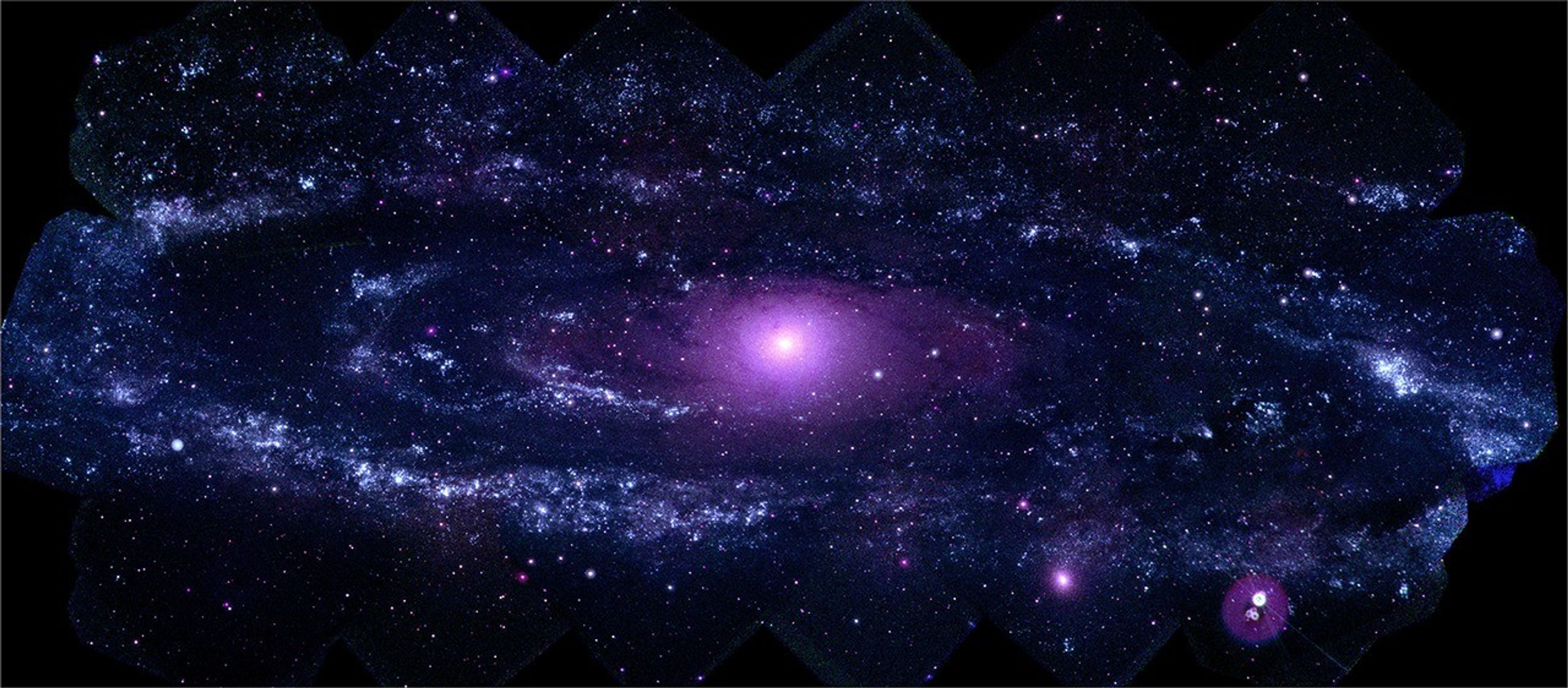
Partners, NASA Ready for June Launch of Swift Boost Mission

A mission to raise the orbit of NASA’s Swift observatory is poised for launch June 30.
This is an AI-generated summary. ShortSingh links to the original source for the complete article.

A mission to raise the orbit of NASA’s Swift observatory is poised for launch June 30.
This is an AI-generated summary. ShortSingh links to the original source for the complete article.
NASA's Astronomy Picture of the Day (APOD) for September 26, 2026 showcases a striking image of a meteor and its mirror reflection set against the Milky Way. The daily APOD program highlights a unique photograph or image of the universe, accompanied by an explanation from a professional astronomer. The featured image captures a rare visual symmetry between a meteor and its reflected counterpart. APOD has long served as an educational resource, making astronomical imagery accessible to the public. The program is hosted by NASA and continues to archive thousands of space images submitted and curated over the years.

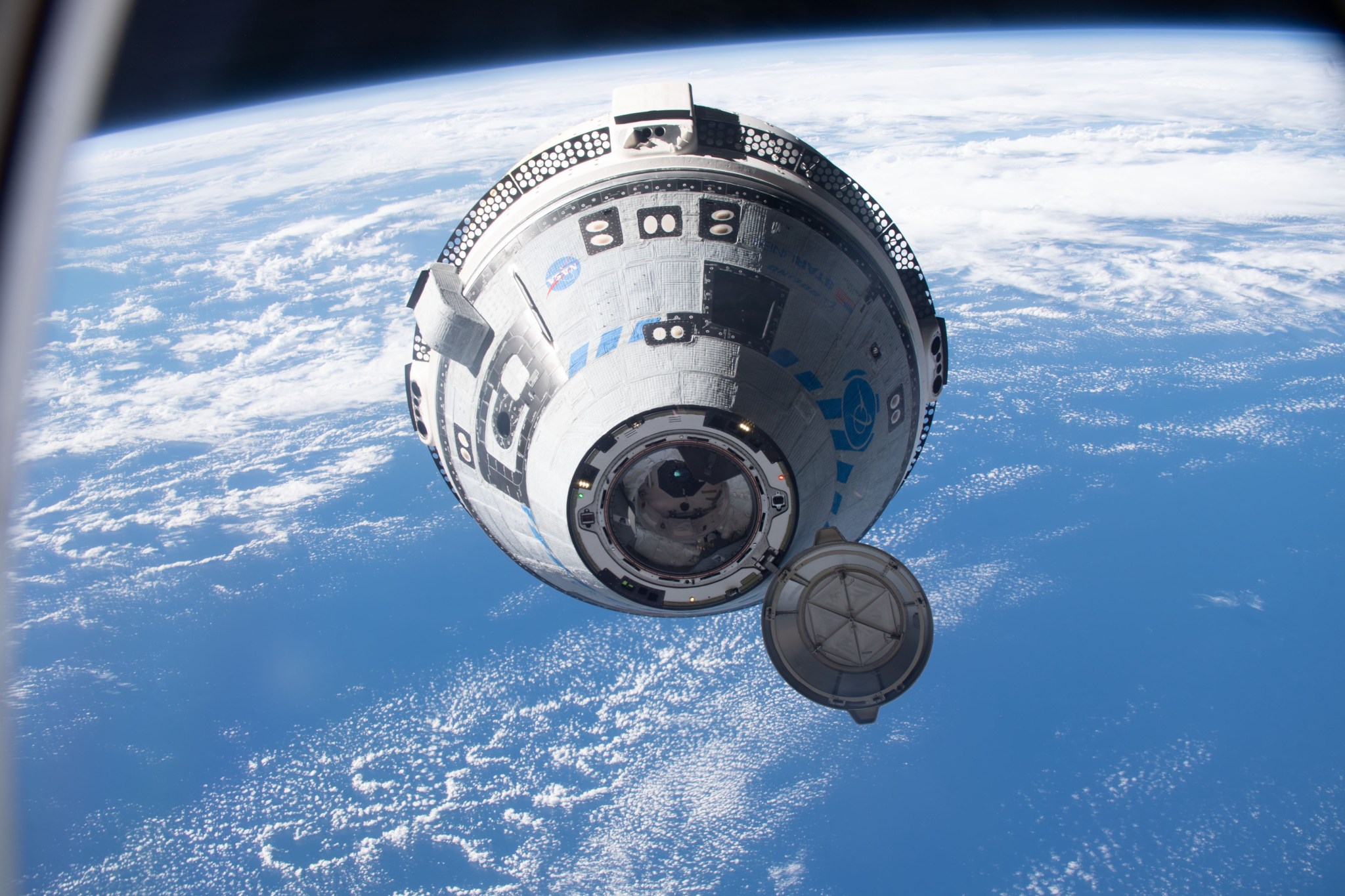
NASA and Boeing leadership held a news conference on Monday, September 28, to discuss the Starliner spacecraft's development progress. The briefing addressed plans for regular crewed flights to and from the International Space Station. The event took place at 3 p.m. EDT and was streamed live on NASA's official website. Media personnel already credentialed for the Crew-13 mission were permitted to attend in person at NASA's Kennedy Space Center. The update reflects ongoing efforts to advance Starliner as a reliable crew transportation vehicle.

The Republic of San Marino signed the Artemis Accords on Friday, becoming the 76th country to join the international space cooperation agreement. The signing ceremony took place in the city of Rimini, with officials from NASA and the U.S. Department of State in attendance. The Artemis Accords establish a framework for peaceful, transparent, and responsible exploration of outer space. San Marino's accession further expands the growing coalition of nations aligned with NASA's principles for civil space activities.

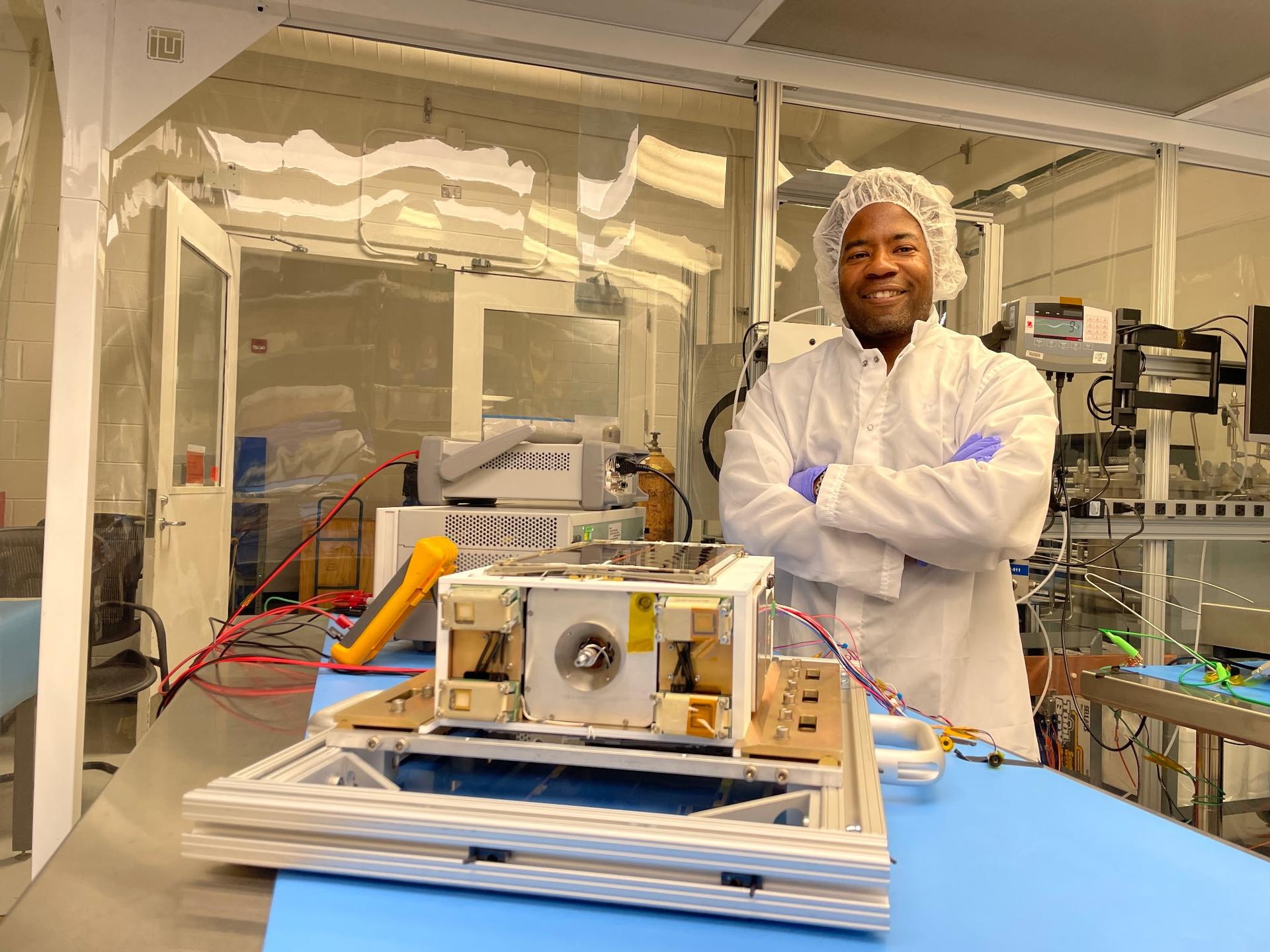
NASA engineers at Marshall Space Flight Center in Huntsville, Alabama, have completed a series of environmental and physical tests on a new small satellite featuring a dual-mode propulsion system. The CubeSat is designed to address longstanding challenges in spacecraft propulsion, which has traditionally depended on volatile fuels and separate bulky systems for different maneuvers. The new design aims to consolidate propulsion capabilities into a safer, more compact solution. These tests mark a key milestone ahead of the satellite's planned launch.

Discussion (0)
Log in to join the discussion and vote.
Log in