SShortSingh.
Back to feed

Part 1 of a Series on Jensen Huang's Rise to Prominence in Tech

0
·1 views

A Times of India feature introduces a three-part series titled 'Saheb, Bibi, Spy, Employee aur AI', focused on the rise of Nvidia's Jensen Huang. The piece describes the story as both intricate and straightforward, comparing its tone to a John le Carré spy thriller blended with Bhojpuri storytelling. The series is framed as an epic tale modeled loosely on the structure of the Karla Trilogy. The excerpt provided is only the opening, so details about the specific events and people covered in later parts are not yet available.

Read the full story at Times of India

This is an AI-generated summary. ShortSingh links to the original source for the complete article.
Discussion (0)

Log in to join the discussion and vote.

Log in

Related stories

0
IndiaNDTV ·

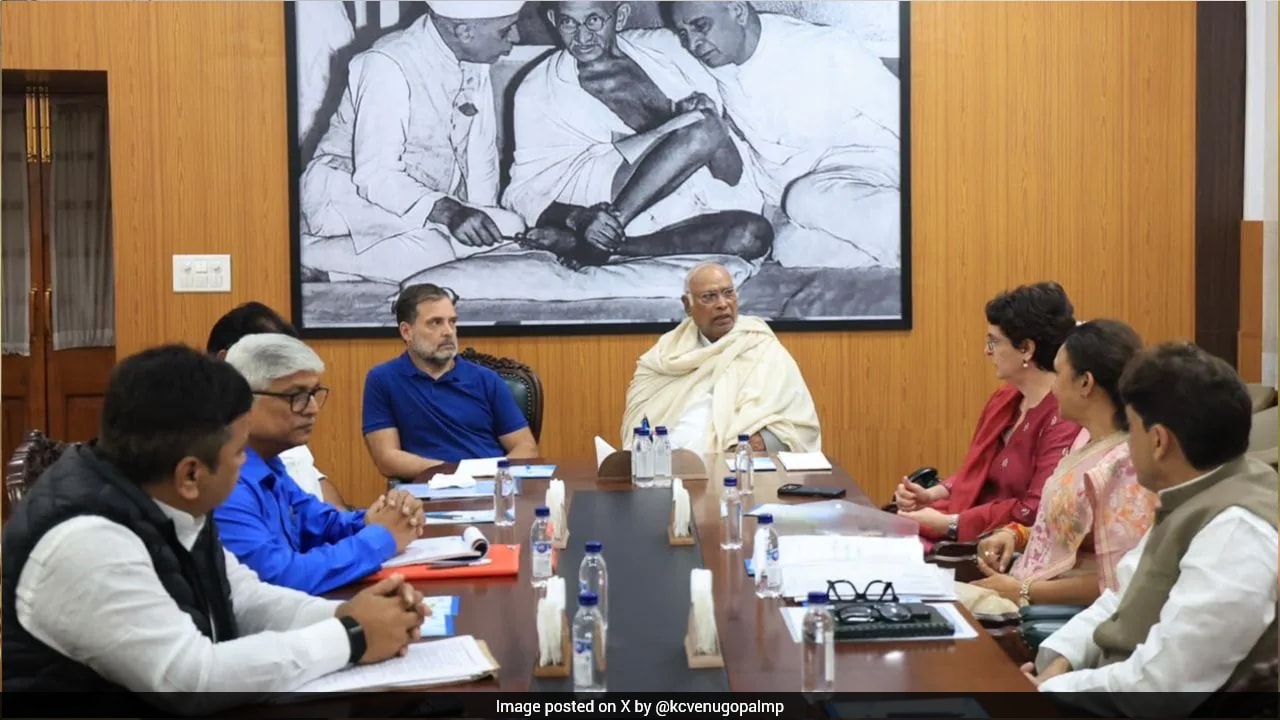
Priyanka Gandhi to Lead Congress Seat-Sharing Talks With Akhilesh Yadav's SP for UP Polls

According to sources, Priyanka Gandhi will head Congress's seat-sharing negotiations with Akhilesh Yadav's Samajwadi Party ahead of the Uttar Pradesh elections. Congress MP KC Venugopal, a close aide of Rahul Gandhi, pointed to the 2024 Lok Sabha results in the state to make his case. He said the INDIA bloc partners would work together to defeat the BJP in Uttar Pradesh. The article provides few additional details on the timing or terms of the talks.

0
IndiaNDTV ·

INDIA Bloc Puts 48 Questions to Poll Body Over Voter List Revision

Opposition INDIA bloc leaders, including Rahul Gandhi, have filed a petition seeking answers from the election body. The petition asks 48 questions about who made the decision on the voter list revision. It also seeks clarity on alleged irregularities in the Special Intensive Revision (SIR) process. The leaders want the responses submitted as individual affidavits. The petition focuses on the decision-making process behind the revision exercise.

0
IndiaTimes of India ·

Five EU Nations Plan Rwanda Centre for Deporting Rejected Asylum Seekers

Germany, Denmark and three other EU countries are preparing to establish a deportation facility in Rwanda. The site would house asylum seekers whose applications have been rejected and who have run out of legal avenues to stay in Europe. The governments are targeting operational status by 2027, with capacity for roughly 100 migrants at the outset. The initiative forms part of a wider change in the European Union's approach to immigration and removals.