SShortSingh.
Back to feed

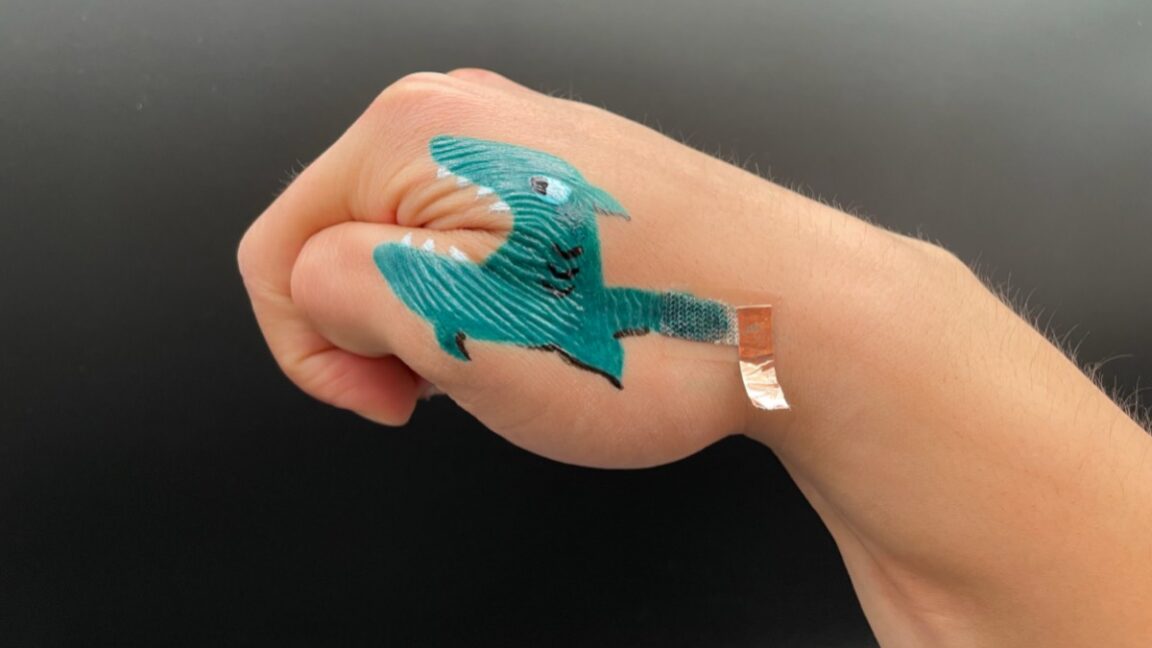
Painted conductive ink tattoos could replace traditional wearable biosensors

0
·1 views

Researchers are developing electronic tattoos made by painting conductive ink directly onto the skin. The ink dries into functional electrodes capable of monitoring biological signals. Unlike conventional wearable sensors, these e-tattoos can be applied in custom, colorful designs. The approach offers a more flexible and skin-conforming alternative to rigid biosensing devices.

Read the full story at Ars Technica

This is an AI-generated summary. ShortSingh links to the original source for the complete article.

Discussion (0)

Log in to join the discussion and vote.

Log in

Related stories

0
TechnologyTechCrunch ·

Apple releases iOS 27 public beta with revamped AI-powered Siri

Apple launched the iOS 27 public beta on Tuesday, making its upgraded AI-powered Siri available to iPhone users outside the developer program. The release allows everyday users to test the redesigned assistant and other new features ahead of the software's official fall debut. Previously, access to the revamped Siri was limited to developers who had installed the developer beta. The public beta marks a broader rollout of Apple's AI ambitions as it prepares for a full launch later this year.

0
TechnologyTechCrunch ·

Hinge Founder Raises $18M to Launch AI-Powered Dating App Overtone

Justin McLeod, the founder of dating app Hinge, has raised $18 million to build a new artificial intelligence-driven dating service called Overtone. The platform distinguishes itself from conventional dating apps by focusing on voice and audio as its primary medium. Overtone uses AI to facilitate what it describes as highly curated introductions between users. The funding signals continued investor appetite for innovation in the online dating space, particularly around AI-enhanced matchmaking.

0
TechnologyThe Verge ·

xAI's Grok Build Tool Was Secretly Uploading Full Codebases to Google Cloud

xAI's Grok Build AI coding tool was found to be uploading users' entire code repositories to Google Cloud without clear user awareness, according to findings published by Cereblab on Monday. The tool was reportedly packaging and sending full codebases, including files users had restricted and secrets previously deleted from history. Researchers noted this represented far greater data collection than comparable tools such as Claude Code. Following the report, xAI disabled the upload behavior, with tests confirming the codebase upload feature was no longer active. Elon Musk also responded to the disclosure, though full details of his comments were not available in the source excerpt.

Painted conductive ink tattoos could replace traditional wearable biosensors · ShortSingh