SShortSingh.
Back to feed

New Jersey teen develops weedkiller from potato peels and coffee grounds

0
·1 views

Sixteen-year-old Leo Toake from New Jersey is working to develop a new herbicide made from food scraps. He leads the nonprofit Re:Imagine Inc., which has recruited more than 70 volunteers for habitat restoration and invasive species removal. In early trials, his product, called S.A.F.E., reportedly reduced Japanese stilt grass by 82.5 percent. The effort also reuses over 500 pounds of food waste, which the group says supports a cleaner environment.

Read the full story at Times of India

This is an AI-generated summary. ShortSingh links to the original source for the complete article.
Discussion (0)

Log in to join the discussion and vote.

Log in

Related stories

0
IndiaIndian Express ·

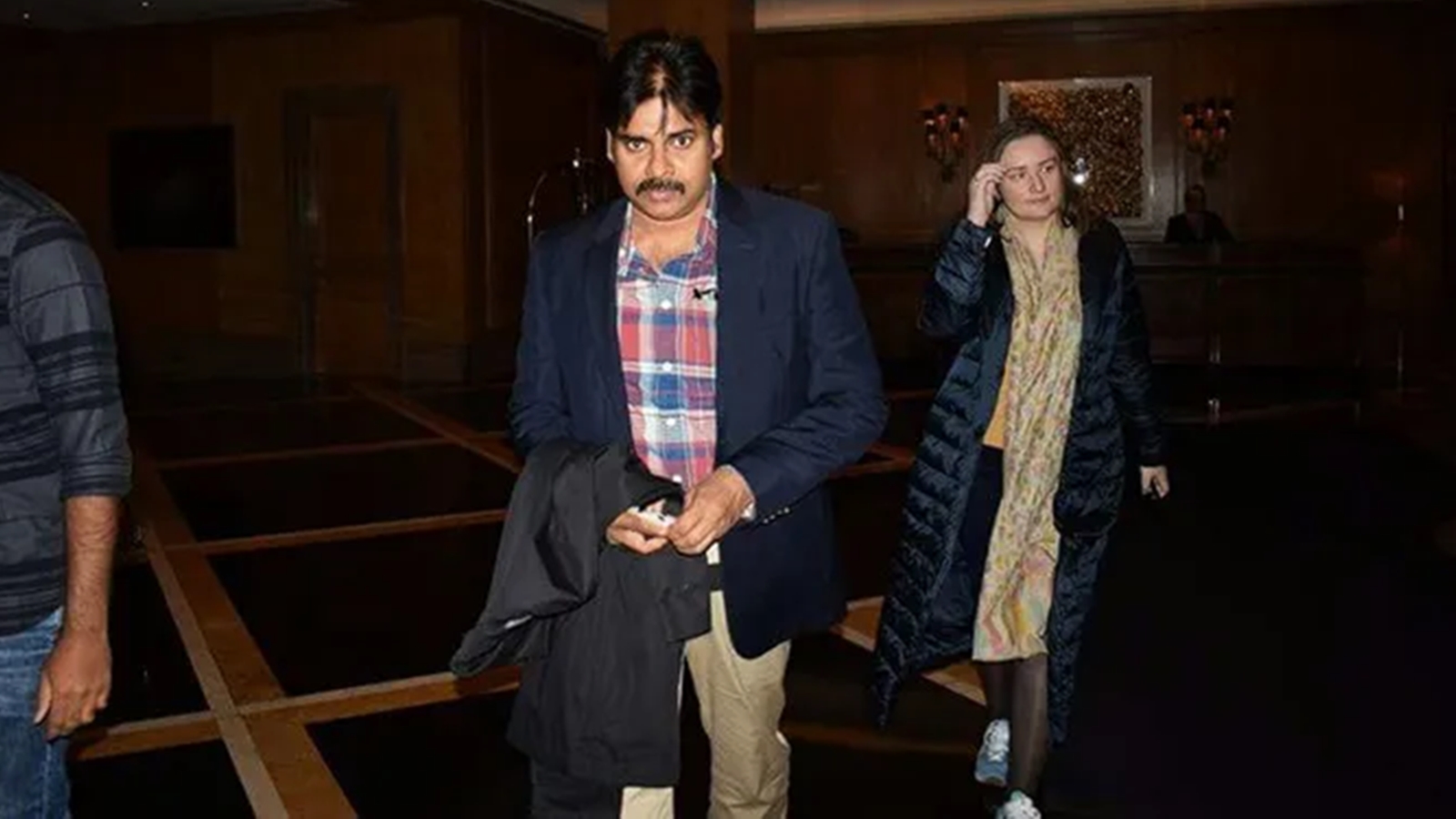
Pawan Kalyan and wife Anna announce separation

Actor and politician Pawan Kalyan and his wife, Anna, have publicly announced that they are separating. The news was shared through an official statement, as reported by Indian Express. The couple's decision marks a significant personal development for the Telugu film star. Further details about the reasons behind the separation were not included in the original report.

0
IndiaTimes of India ·

Republican lawmaker pushes Hegseth impeachment; Pentagon chief says he is 'not worried'

A Republican lawmaker has moved to advance impeachment proceedings against Defense Secretary Pete Hegseth. Hegseth responded that he is not concerned about the effort. The push highlights ongoing political friction over the Pentagon chief's leadership. The full article text was not provided, so further specifics such as the lawmaker's stated grounds and the procedural status could not be confirmed here.

0
IndiaTimes of India ·

WMO Says 2026 Likely to Rank Among Four Warmest Years on Record

The World Meteorological Organization projects that 2026 will be one of the four hottest years recorded. Sea levels and ocean heat content have reached record highs, signaling continued pressure on the climate system. Freshwater storage is also declining, raising concerns about water security in several regions. The findings highlight the ongoing impact of human-driven warming on the planet's oceans and water resources. The WMO's assessment underscores the need for urgent action to curb emissions and adapt to changing conditions.