SShortSingh.
Back to feed

New Battery-Based Device Captures CO2 More Efficiently Than Current Systems

0
·1 views

A newly developed device captures carbon dioxide by pumping it across a battery, offering a more energy-efficient approach to carbon capture. The system uses an electrochemical process to selectively absorb and release CO2. Compared to conventional carbon capture technologies, this design consumes less energy to perform the same task. The innovation could make large-scale carbon removal more practical and cost-effective. Details were reported by Ars Technica, though further research and scaling will be needed before widespread deployment.

Read the full story at Ars Technica

This is an AI-generated summary. ShortSingh links to the original source for the complete article.

Discussion (0)

Log in to join the discussion and vote.

Log in

Related stories

0
TechnologyArs Technica ·

China May Allow ByteDance, Alibaba to Purchase Banned Nvidia AI Chips

China is reportedly considering permitting major tech firms ByteDance and Alibaba to acquire Nvidia chips that are currently banned from sale in the country. The potential move signals a possible shift in how China navigates US-imposed export restrictions on advanced AI semiconductors. Experts have raised concerns about Nvidia's continued influence in China and the broader implications for US technology policy. The development comes amid ongoing scrutiny over Nvidia's chip sales to Chinese entities and the company's relationship with the Trump administration.

0
TechnologyThe Verge ·

AMD acquires AI startup World Labs for $8.2 billion in all-stock deal

AMD has announced it will acquire World Labs, an AI research startup co-founded by renowned AI researcher Dr. Fei-Fei Li, in an all-stock transaction valued at approximately $8.2 billion. Founded in 2024, World Labs reached a $1 billion valuation within months and launched a 3D world-generation product called Marble in 2025. Upon deal closure, expected before year-end, Li will join AMD as Executive Vice President and Chief Scientist, reporting directly to CEO Lisa Su. The World Labs team is set to continue its AI model research under AMD's umbrella.

0
TechnologyArs Technica ·

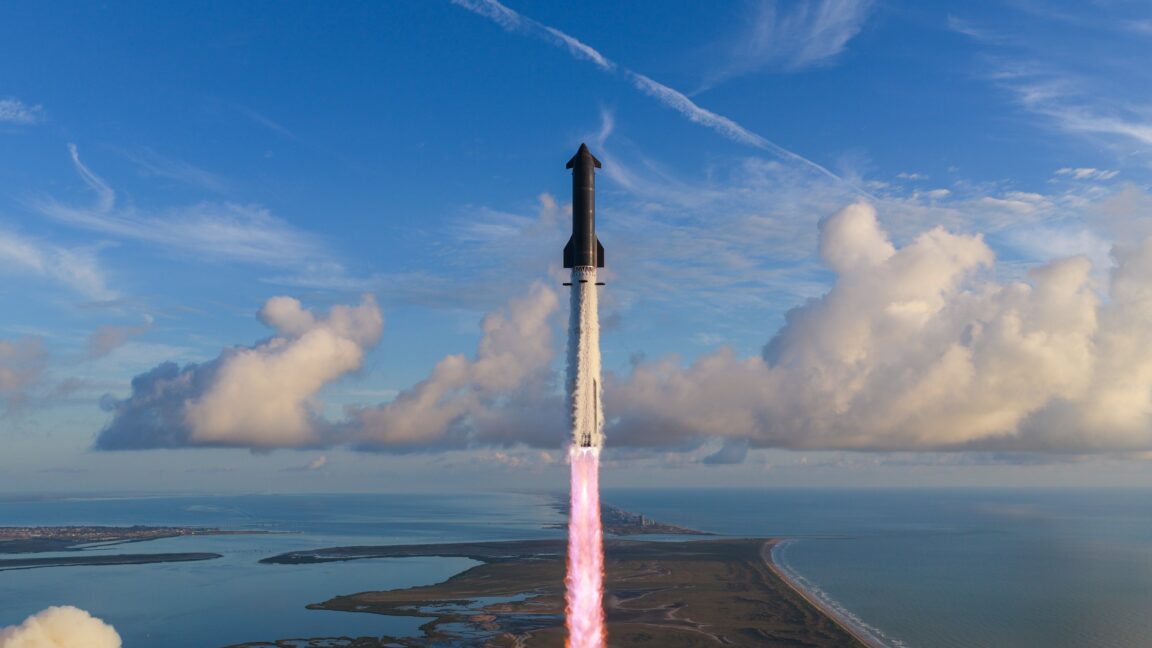
SpaceX Starship Reaches Orbit, Deploys Next-Generation Starlink Satellites

SpaceX's Starship rocket achieved orbital flight for the first time during a mission conducted on Monday. The vehicle successfully deployed a batch of next-generation Starlink satellites as part of the milestone flight. Previous Starship test flights had come close, reaching approximately 99 percent of the velocity needed for low-Earth orbit. This latest mission covered the remaining margin, confirming Starship's ability to complete a full orbital trajectory. The achievement marks a significant step forward in SpaceX's development of the world's largest and most powerful rocket.