SShortSingh.
Back to feed

Nearly 1 Million Indians Face 179-Year Wait for US Employment Green Card

0
·1 views
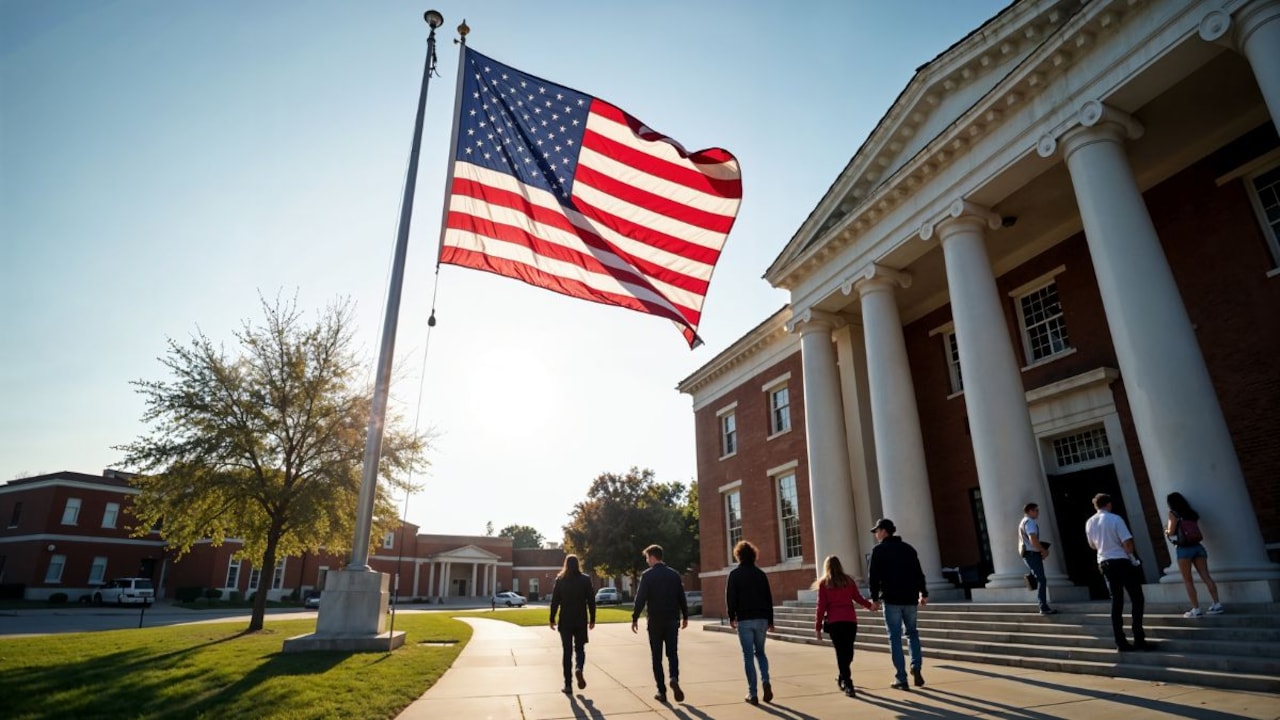
As of December 2025, close to one million Indian nationals are stuck in the US employment-based immigration backlog. The extraordinary wait time is estimated at approximately 179 years for some applicants. The massive backlog is driven by high demand from Indian-born skilled workers combined with per-country caps on green card allocations under US immigration law. These country-specific limits mean that applicants from high-demand nations like India face disproportionately longer waits than those from other countries. The situation highlights longstanding calls for reform of the US employment-based immigration system.

Read the full story at NDTV

This is an AI-generated summary. ShortSingh links to the original source for the complete article.
Discussion (0)

Log in to join the discussion and vote.

Log in

Related stories

0
IndiaTimes of India ·

Florida's 95-year-old four-faced clock restored after 700 hours of expert work

A historic four-faced clock in Clearwater, Florida, has been fully restored after a painstaking 700-hour effort by clockmaker David H. Boyd. The 95-year-old timepiece had spent decades outdoors before undergoing the extensive restoration process. Boyd preserved the clock's original dial and hands while fitting it with new internal clockworks. The restored landmark has now been reinstalled on Cleveland Street, where it once again serves the community. The project is seen as a way of connecting Clearwater's historical heritage with modern-day functionality.

0
IndiaNDTV ·

Sikkim Deploys Sensors at 16 High-Risk Glacial Lakes Amid Flood Concerns

The state of Sikkim has installed monitoring sensors at 16 glacial lakes identified as high-vulnerability sites. The move comes in response to flood risks highlighted by recent devastating floods in Nepal. Sikkim is home to over 400 glacial lakes of varying sizes, of which these 16 have been flagged as particularly dangerous. The sensors are part of a state-level early warning and risk assessment initiative aimed at preventing glacial lake outburst floods.