SShortSingh.
Back to feed

NASA Tests How Rocket Plumes Interact With Lunar Surface During Moon Landings

0
·1 views

NASA has been conducting plume-surface interaction tests to better understand the hazards that occur when a lander's engine exhaust contacts the Moon's surface. The research is designed to support both NASA missions and commercial lunar landers operating on the Moon. A new phase of testing was launched, with updated findings shared in August 2026, building on work that originally began in December of the prior year. The tests aim to help engineers design safer landing systems by studying how engine plumes disturb lunar soil and create potential risks. Understanding these interactions is considered critical for the success of future crewed and uncrewed Moon landing missions.

Read the full story at NASA

This is an AI-generated summary. ShortSingh links to the original source for the complete article.
Discussion (0)

Log in to join the discussion and vote.

Log in

Related stories

0
SpaceNASA ·

NASA Astronauts to Conduct ISS Spacewalk for Navigation Equipment Swap

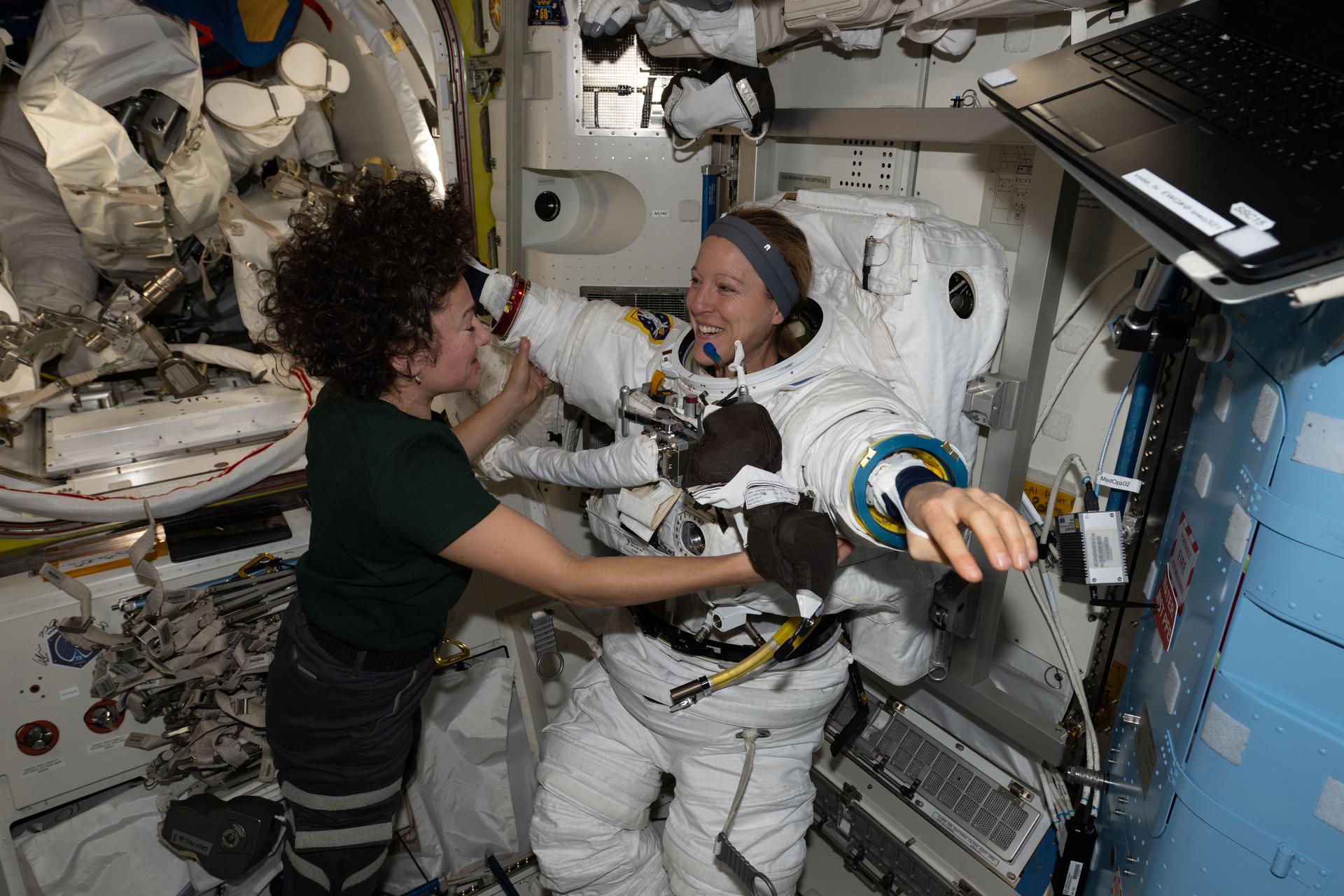
Two NASA astronauts are scheduled to perform a spacewalk outside the International Space Station on Tuesday, September 1. The primary objective is to replace a spacecraft navigational aid, alongside several other station maintenance tasks. The spacewalk is set to begin at approximately 8:30 a.m. EDT and is expected to last several hours. NASA will broadcast live coverage of the event starting at 7 a.m. EDT, ahead of the crew's departure from the station.

0
SpaceNASA ·

Army Veteran Jeret Howard Joins NASA Stennis Space Center as Civil Servant

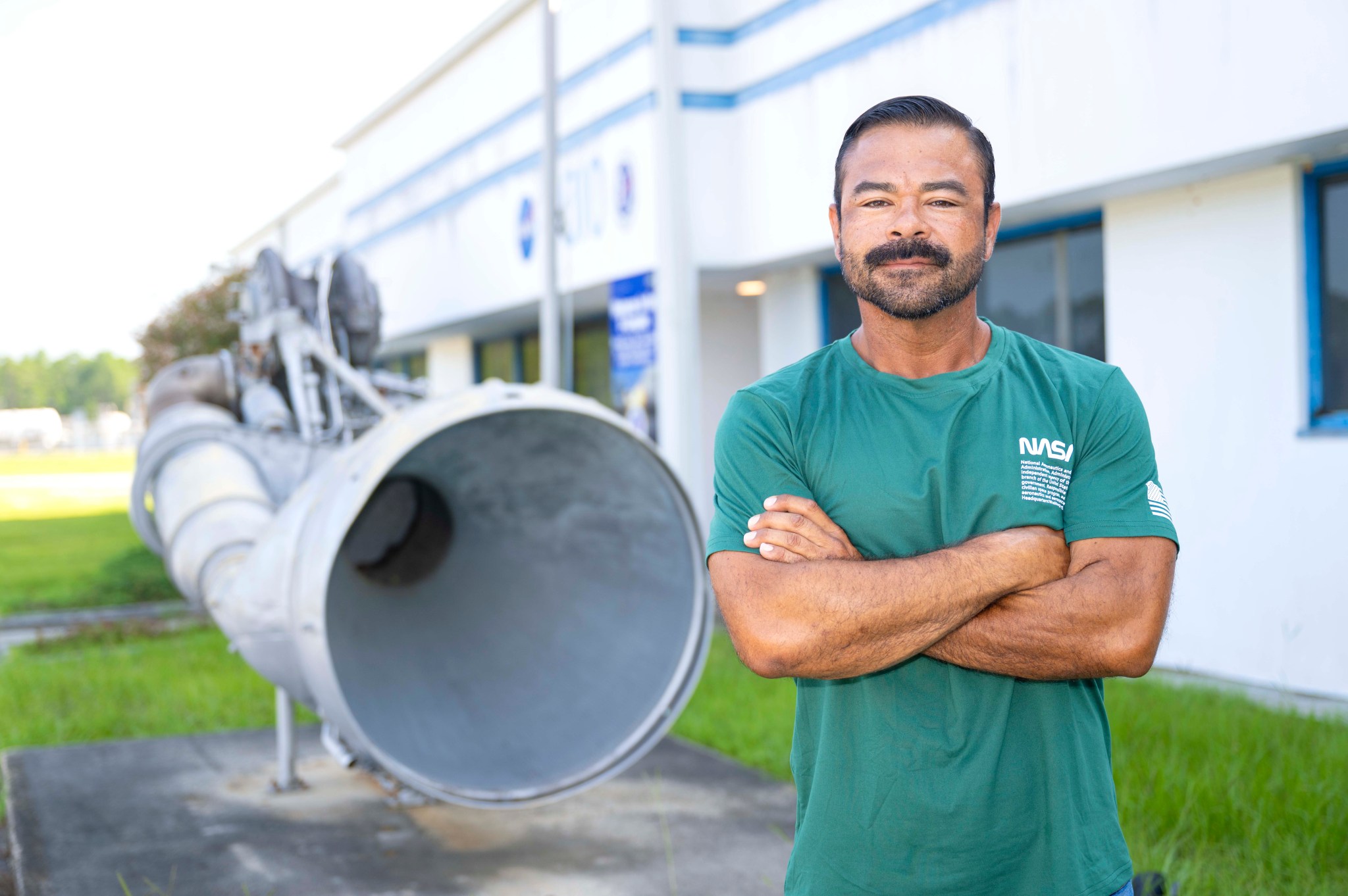
Jeret Howard, a former U.S. Army combat medic who served in Iraq, has been hired as a civil servant at NASA's Stennis Space Center near Bay St. Louis, Mississippi. He was brought on board as part of NASA's workforce directive aimed at restoring core competencies within the agency. Howard had previously worked at Stennis as a contractor before making the transition to a federal civil servant role this past summer. His journey from military service at age 17 to a NASA career reflects the agency's broader effort to build an experienced in-house workforce.

0
SpaceNASA ·

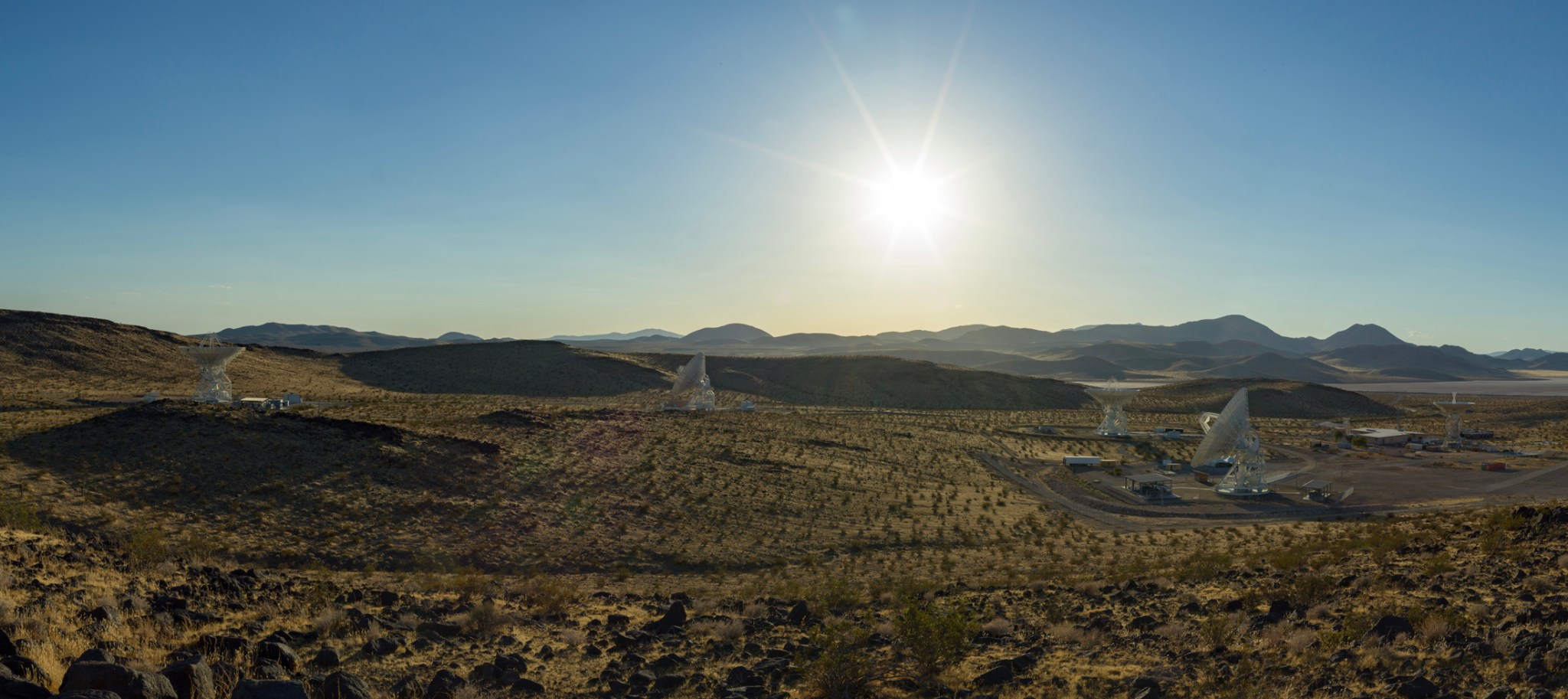
NASA Adds New 34-Metre Antenna to Deep Space Network in California

NASA has commissioned a new 34-metre-wide radio frequency antenna at its Deep Space Network facility in California. The Deep Space Network relies on large dish antennas spread across three facilities worldwide to maintain contact with spacecraft across the solar system. The network currently supports communications and navigation for more than 40 active missions, including probes venturing into interstellar space. The addition of the new antenna is intended to strengthen the agency's capacity to handle growing deep space communication demands.

NASA Tests How Rocket Plumes Interact With Lunar Surface During Moon Landings · ShortSingh