SShortSingh.
Back to feed

NASA Studies Show Gravitational Waves Could Uncover Hidden Exoplanets

0
·1 views

The planned LISA observatory is designed to detect gravitational waves, the faint ripples in space-time produced by orbiting masses. Two studies led by NASA astrophysicists now detail how the mission could identify a new and distinct group of exoplanets. These planets orbit beyond our solar system and would be spread throughout the Milky Way. The research explains how gravitational wave signals could expose worlds that are difficult to find with current methods. LISA is still under development, so these findings describe its future potential rather than completed discoveries.

Read the full story at NASA

This is an AI-generated summary. ShortSingh links to the original source for the complete article.
Discussion (0)

Log in to join the discussion and vote.

Log in

Related stories

0
SpaceNASA ·

NASA to Host Homecoming for Expedition 74 Crew at Space Center Houston

NASA will hold a public welcome-home event at Space Center Houston for the Expedition 74 crew after their long-duration stay aboard the International Space Station. The crew includes NASA astronauts Jessica Meir, Jack Hathaway, and Chris Williams. Also taking part are ESA astronaut Sophie Adenot and Roscosmos cosmonauts Sergey Kud-Sverchkov and Sergei Mikaev. The astronauts are expected to share details of their mission during the gathering.

0
SpaceNASA ·

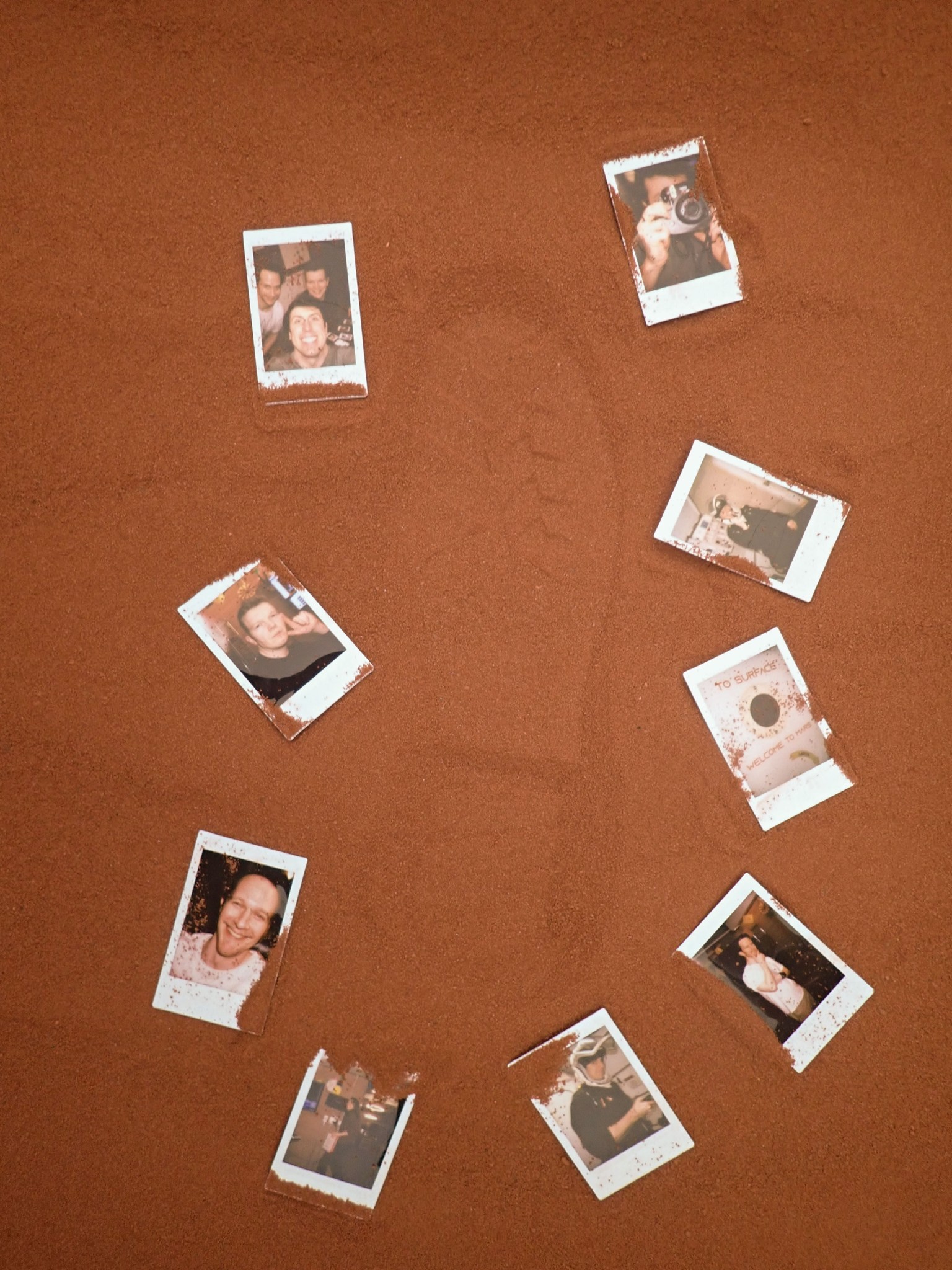
CHAPEA Mission 2 Crew Exits Mars Simulation Habitat After 378 Days

The CHAPEA Mission 2 crew emerged from their habitat on Saturday, October 31, after completing 378 days of isolation. The habitat is a simulated Mars environment located at NASA's Johnson Space Center in Houston. Before leaving, the crew had posed photos around a boot print in the simulated Martian sand outside the facility. The Crew Health and Performance Exploration Analog project studies how people cope with long-duration isolation and confinement similar to a future Mars mission. The article text is cut off, so further details on the study's health findings are not included here.

0
SpaceNASA ·

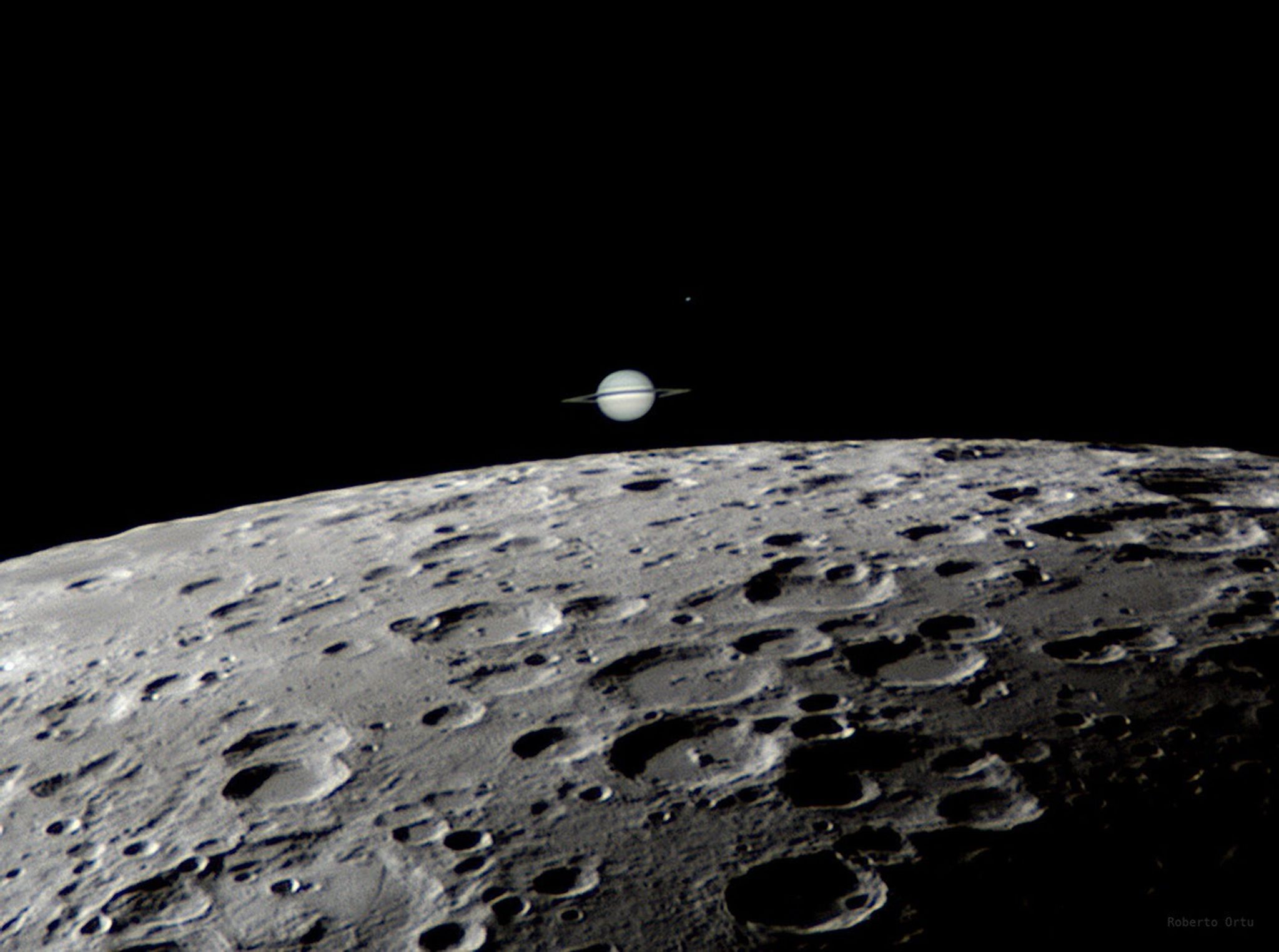
NASA Astronomy Picture of the Day Shows Saturn Behind the Moon

NASA's Astronomy Picture of the Day for November 10, 2026 features a view of Saturn positioned behind the Moon. The feature is part of NASA's daily series that showcases images of the universe, each accompanied by a short explanation written by a professional astronomer. The source text available is limited, consisting mainly of website navigation and the page title. Further details about the image's capture location, equipment, and the astronomical event itself are not included in the provided material.

0
SpaceNASA ·

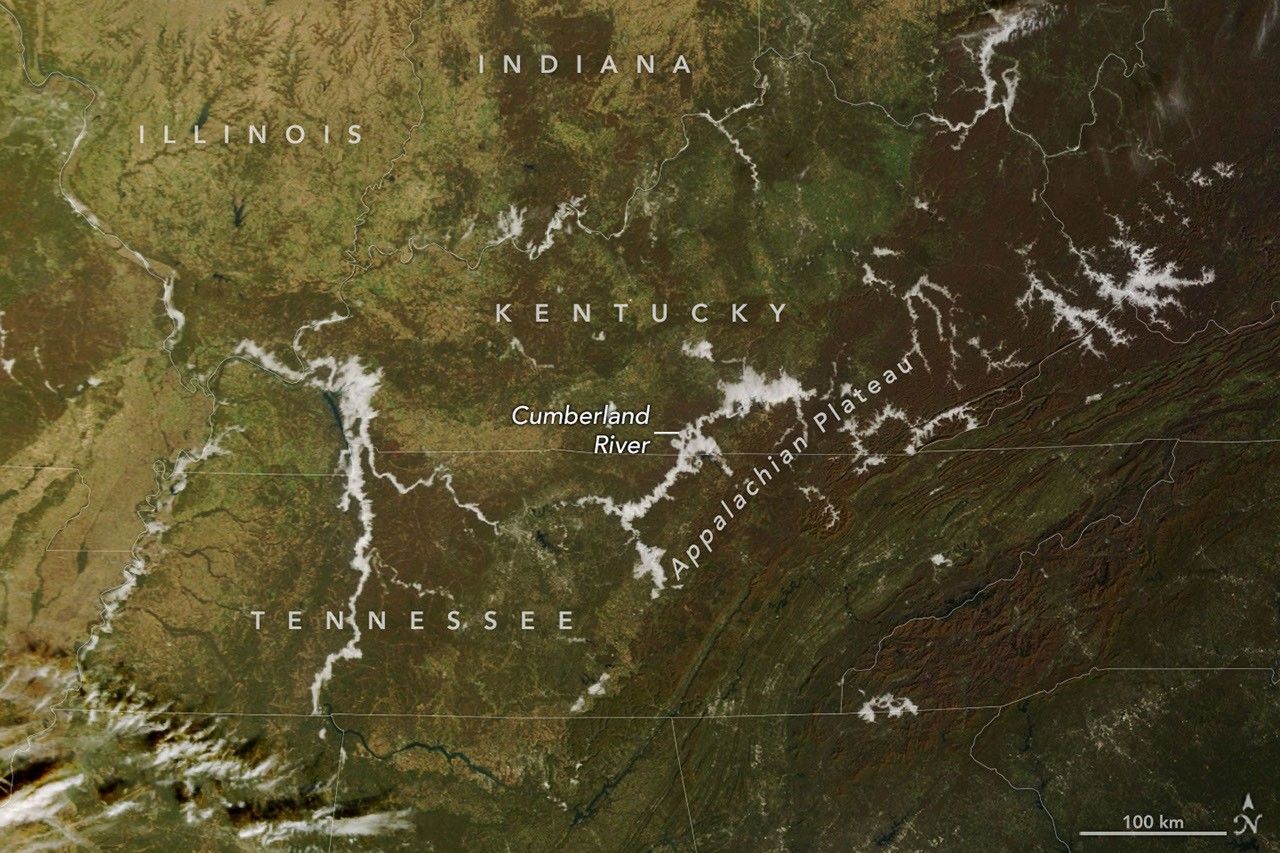
Autumn Mornings Bring Fog to Appalachian Valleys

Low-lying clouds settle across the branching valleys of the Appalachian Plateau and along the Cumberland River. The fog is a common autumn morning feature in the region. As daylight warms the air, the clouds gradually burn off by afternoon. The imagery captures how the valley terrain shapes the pattern of the fog. The source is NASA.