SShortSingh.
Back to feed

NASA Students Launch Ozone-Measuring Balloons Over Texas Gulf Coast

0
·38 views

NASA's Student Airborne Research Program (SARP) wrapped up its summer session on July 27, giving students hands-on experience in airborne field research. Participants launched ozonesondes — balloon-borne scientific instruments designed to measure atmospheric ozone — above the Texas Gulf Coast. Students had to contend with strong winds while handling the large balloons during the launches. The program provides young researchers with real-world exposure to atmospheric data collection techniques used by NASA scientists.

Read the full story at NASA

This is an AI-generated summary. ShortSingh links to the original source for the complete article.
Discussion (0)

Log in to join the discussion and vote.

Log in

Related stories

0
SpaceNASA ·

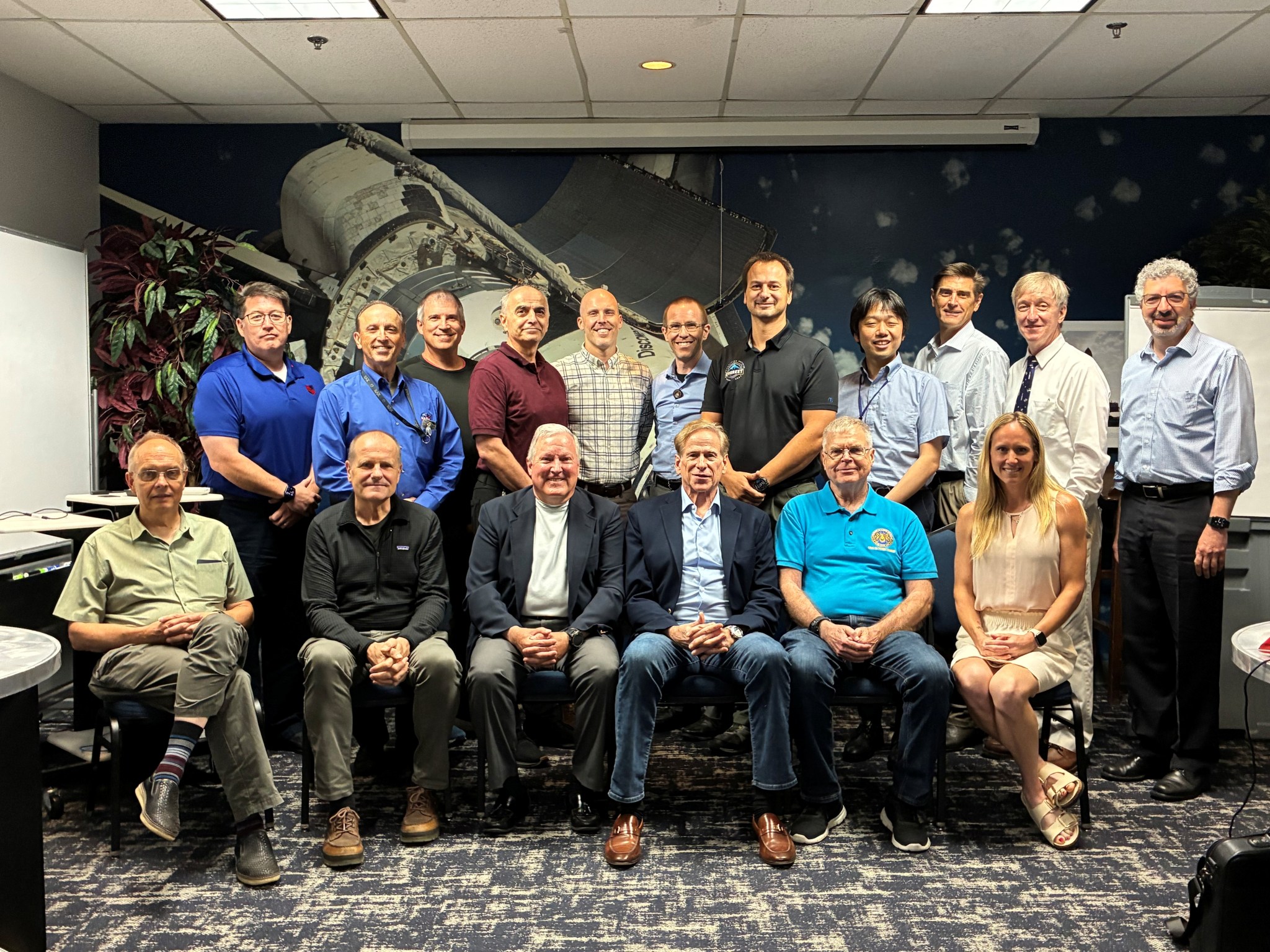
NASA Working Group Reviews Decompression and Blood Clot Risks for Artemis Missions

NASA's Office of the Chief Health and Medical Officer established a working group in August 2026 to assess health risks facing astronauts on Artemis lunar missions. The group reviewed data on decompression sickness linked to spacewalk prebreathe procedures, as well as in-flight cases of venous thromboembolism, or blood clots. Researchers also examined the implications of patent foramen ovale, a heart condition, in the context of these risks. The working group's recommendations build on findings from earlier OCHMO-led reviews, integrating previous outcomes into updated guidance for deep-space missions.

0
SpaceNASA ·

NASA-Funded Study Finds Complex Organism Surviving Extreme Heat in Volcanic Park

NASA-supported scientists have discovered a complex organism capable of surviving temperatures previously considered lethal for advanced life forms. High heat typically destroys critical cell components, posing a particular threat to organisms with nuclei that house sensitive genetic material. The organism was found thriving in the hot waters of Lassen Volcanic National Park in California. The discovery challenges existing scientific understanding of the thermal limits that complex, nucleus-bearing life can endure.

0
SpaceNASA ·

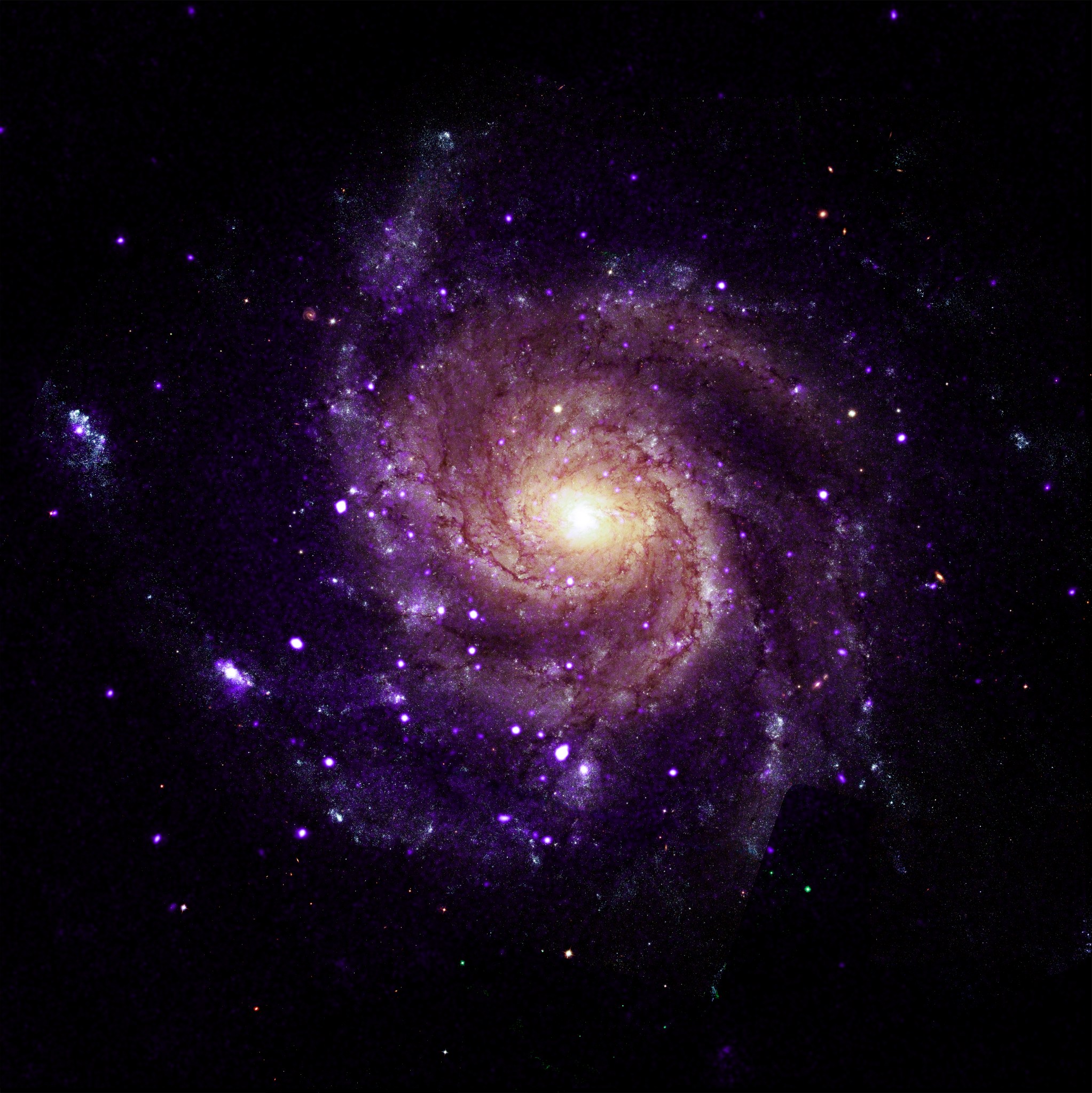
Chandra Observatory Spots Unusual Low-Energy X-ray Objects in Pinwheel Galaxy

NASA's Chandra X-ray Observatory has detected mysterious objects in the Pinwheel Galaxy, known as M101, emitting unusually low-energy X-rays alongside intense ultraviolet radiation. The findings were released on September 9, 2026, as part of a broader study examining multiple galaxies. Astronomers believe these newly identified objects are unlike previously catalogued X-ray sources. Researchers suggest the discovery could potentially help resolve two longstanding astronomical mysteries, though details remain under investigation.

0
SpaceNASA ·

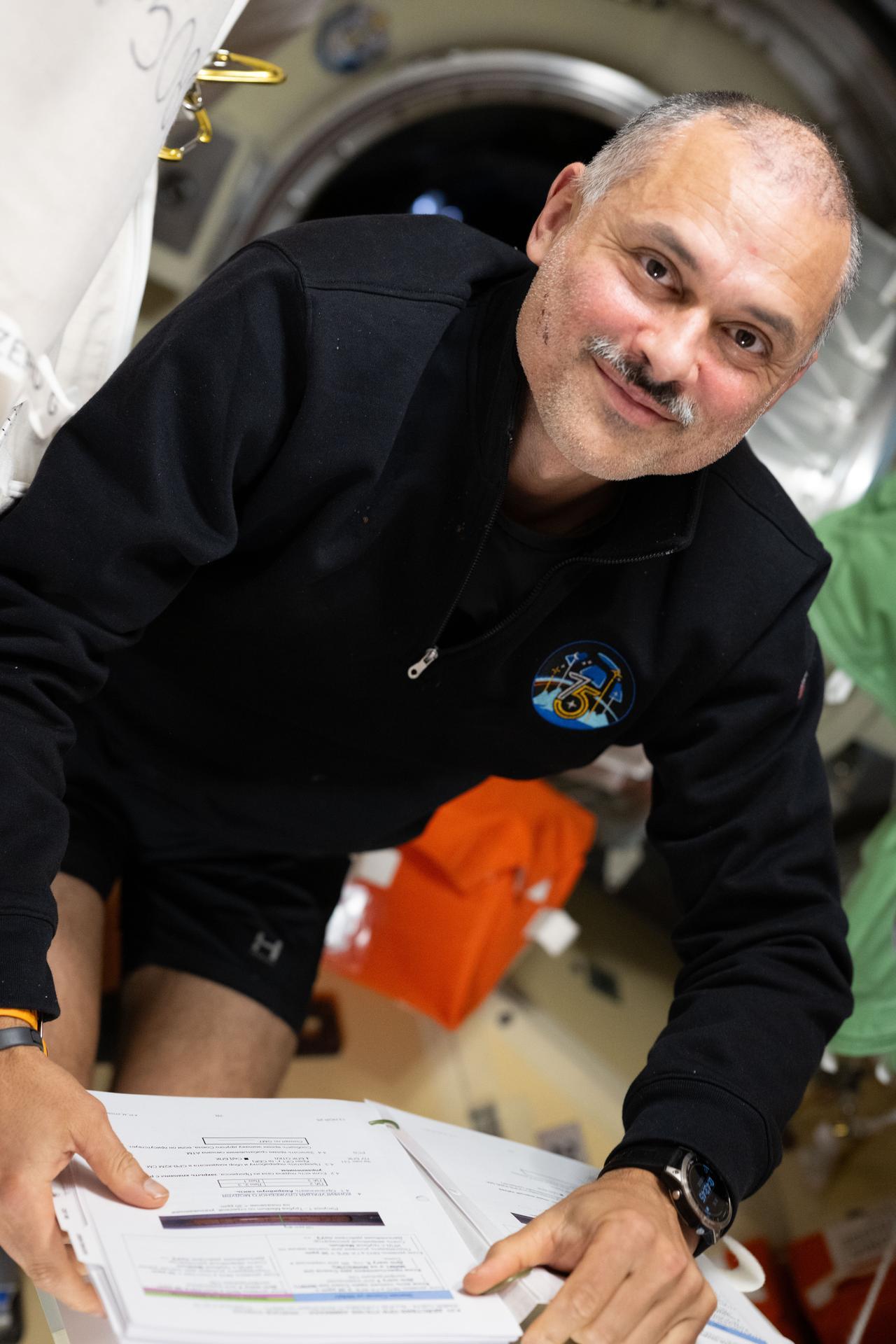
NASA Astronaut Anil Menon to Answer STEM Questions from NH Students Live

NASA astronaut Anil Menon will respond to pre-recorded STEM questions submitted by students in New Hampshire while stationed aboard the International Space Station. The live Earth-to-space call is scheduled for 11:35 a.m. EDT on Thursday, September 24. The session will be streamed publicly on NASA's Learn With NASA YouTube channel. The event is being organized by the McAuliffe-Shepard Discovery Center, located in Concord, New Hampshire.