SShortSingh.
Back to feed

NASA Streamlines Crewed Lunar Lander Designs With Blue Origin and SpaceX for 2028

0
·1 views
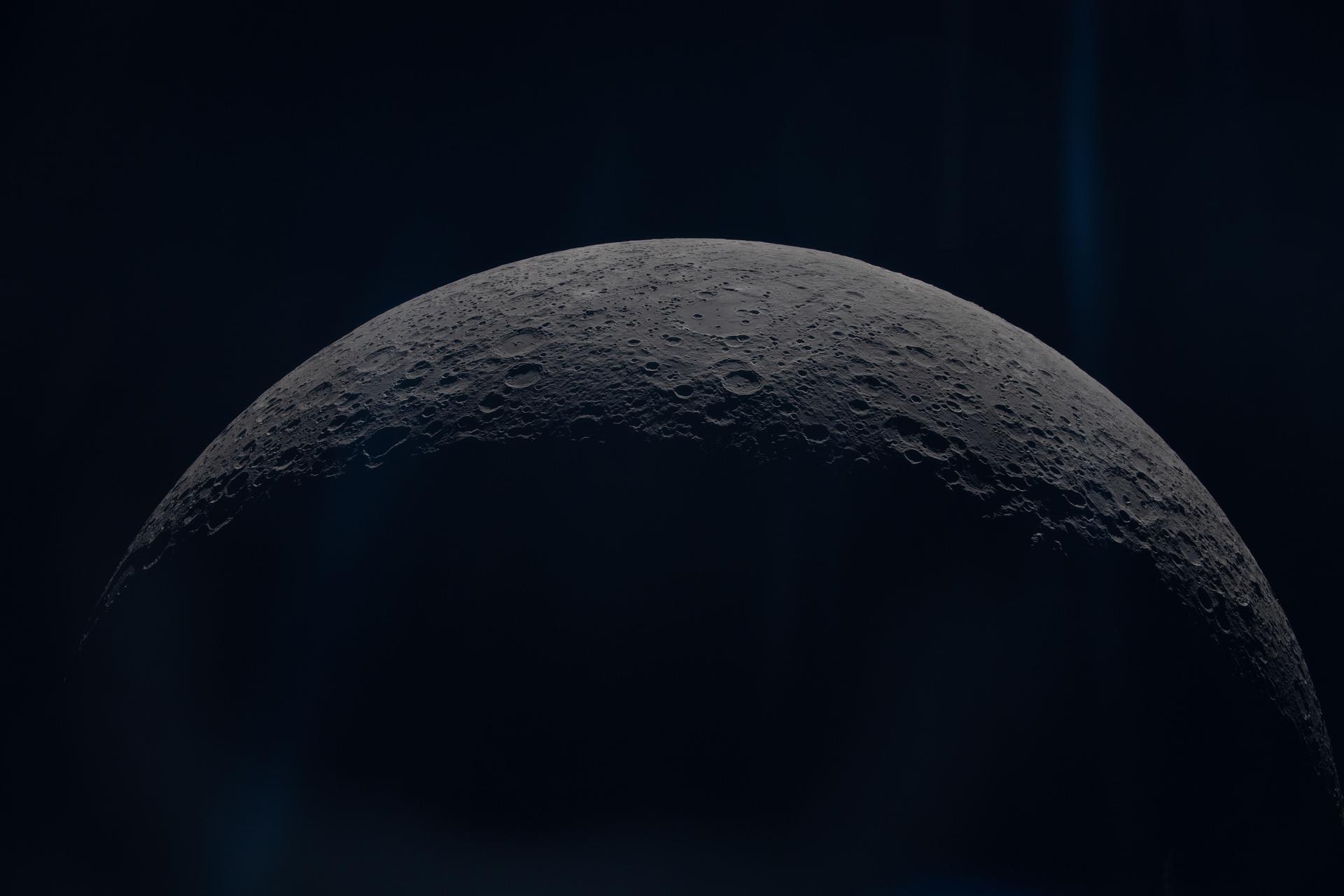
NASA and its commercial partners Blue Origin and SpaceX have simplified the designs of future crewed landers meant to carry astronauts to the Moon. The changes also revise how the landers will operate during missions. The effort supports NASA's plan to return humans to the lunar surface and build a lasting presence there. The article notes that the work follows the initial contracts NASA awarded to the two companies. The accelerated development is aimed at readiness for 2028 Moon missions.

Read the full story at NASA

This is an AI-generated summary. ShortSingh links to the original source for the complete article.
Discussion (0)

Log in to join the discussion and vote.

Log in

Related stories

0
SpaceNASA ·

NASA's Artemis III to Test Moon Lander Operations Ahead of Lunar Return

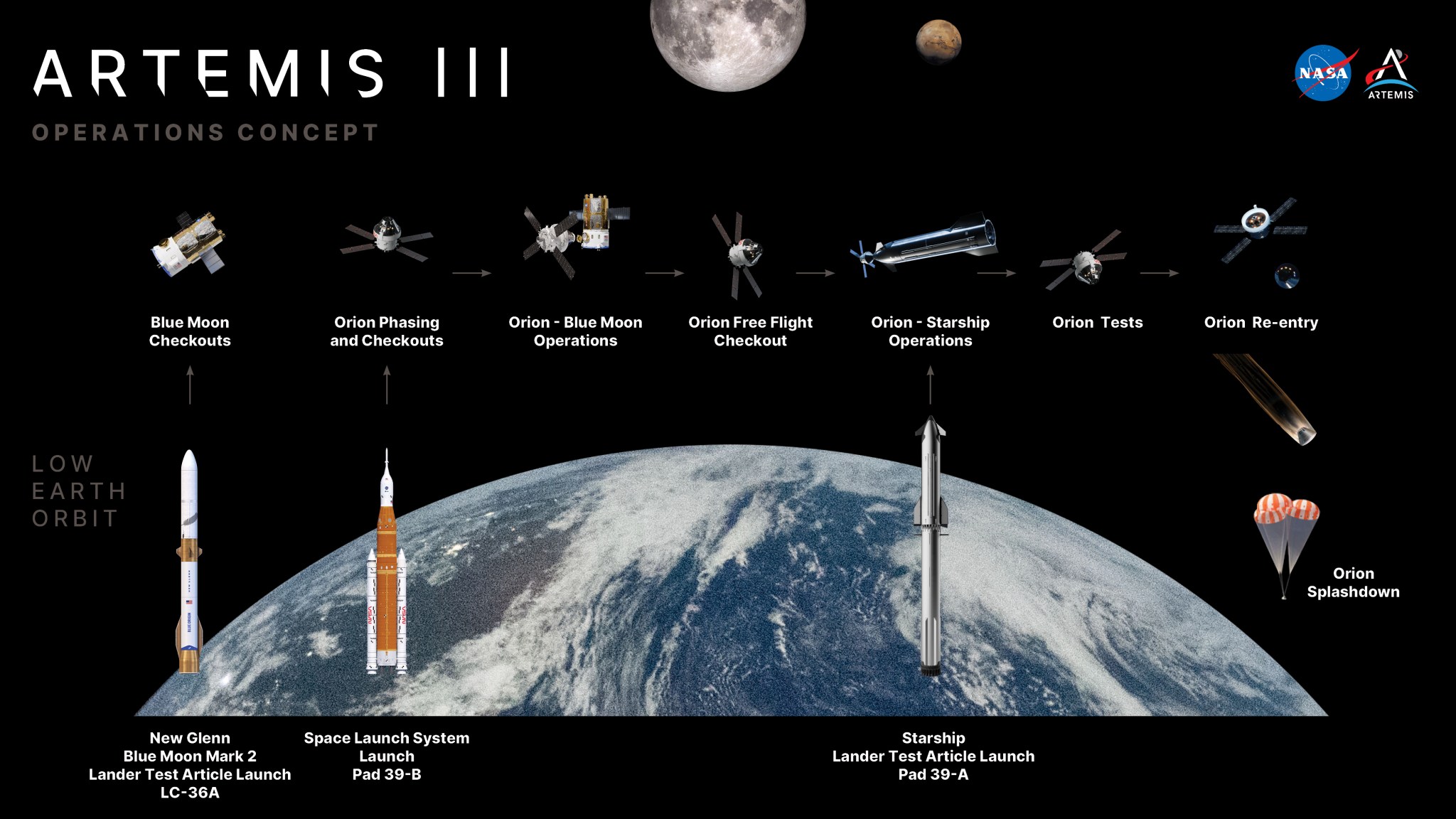
NASA is preparing Artemis III, a demanding test mission designed to validate systems before astronauts return to the Moon's surface. Scheduled to launch in 2027, the mission will carry four astronauts aboard the Orion spacecraft. The crew includes NASA astronauts Randy Bresnik, Frank Rubio, and Andre Douglas, along with European Space Agency astronaut Luca Parmitano. The flight will initially send Orion into low Earth orbit to rehearse critical operations. The article describes the mission as one of the most complex undertakings in the agency's history.

0
SpaceNASA ·

NASA Ends Swift Observatory Mission as Atmospheric Drag Lowers Its Orbit

NASA's Neil Gehrels Swift Observatory has concluded its science operations because the spacecraft now orbits below about 171 miles (275 kilometers). At that altitude, stronger atmospheric drag makes it impossible for its telescopes to hold steady on astronomical targets. Swift made its last observation on October 20. The mission has left behind a substantial body of scientific results.

0
SpaceNASA ·

NASA Stennis Tests RS-25 Engine No. 10001 in Eight-Minute Hot Fire

Teams at NASA's Stennis Space Center near Bay St. Louis, Mississippi conducted a hot fire test of RS-25 engine No. 10001 on October 21, 2026. The test ran for about 500 seconds, matching the firing duration these engines use during SLS (Space Launch System) rocket launches. Engineers operated the engine at a 111% power level during the test. The article text is truncated, so further details about the test results are not available.

0
SpaceNASA ·

NASA Langley and Virginia Energy Department Partner on Energy Security

NASA is working to support long-term energy security in Virginia through a new collaboration. Its Langley Research Center in Hampton is teaming up with the Virginia Department of Energy for this effort. NASA will supply solar, meteorological, and future weather risk datasets to inform energy system modeling and planning. The goal is to help state officials make well-grounded decisions about how energy is generated, delivered, and used. The article excerpt is cut off, so further details of the agreement are not available.

NASA Streamlines Crewed Lunar Lander Designs With Blue Origin and SpaceX for 2028 · ShortSingh