SShortSingh.
Back to feed

NASA's Nancy Grace Roman Space Telescope to Probe Dark Energy and Exoplanets

0
·41 views

NASA is preparing to launch its newest astrophysics observatory, the Nancy Grace Roman Space Telescope. Unlike traditional telescopes that focus on narrow regions, Roman is designed to scan wide areas of space at once. The observatory will help scientists investigate some of astronomy's biggest mysteries, including dark energy, dark matter, and exoplanets. By combining the tools of physics and mathematics, Roman is expected to significantly advance humanity's understanding of the universe.

Read the full story at NASA

This is an AI-generated summary. ShortSingh links to the original source for the complete article.

Discussion (0)

Log in to join the discussion and vote.

Log in

Related stories

0
SpaceNASA ·

Hubble Telescope Reveals Hidden Chaos Inside Spiral Galaxy NGC 4698

NASA's Hubble Space Telescope has captured a striking image of spiral galaxy NGC 4698, released on September 18, 2026. Despite its calm outward appearance, the galaxy conceals chaotic activity within its structure. Like the Milky Way, NGC 4698 is a spiral galaxy featuring arms that curve through a flat disk of stars, gas, and dust. The image highlights how galaxies that appear serene on the surface can harbor complex and turbulent inner dynamics.

0
SpaceNASA ·

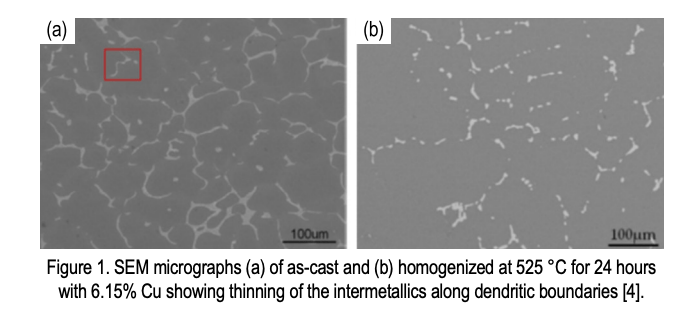
NASA Warns of Corrosion Risks from Faulty Aluminum Alloy 2219 Manufacturing

NASA's Kennedy Space Center has issued a Technical Bulletin addressing quality concerns related to aluminum alloy 2219, a material commonly used in aerospace applications. The bulletin warns that improper casting and forging during manufacturing can introduce microstructural defects in the alloy. These defects can cause the material to respond poorly to anodic surface treatments, which are applied to improve durability. As a result, affected components may become more vulnerable to corrosion, posing potential risks in critical applications. The guidance was authored by Donald S. Parker of Kennedy Space Center and is available as a downloadable PDF.

0
SpaceNASA ·

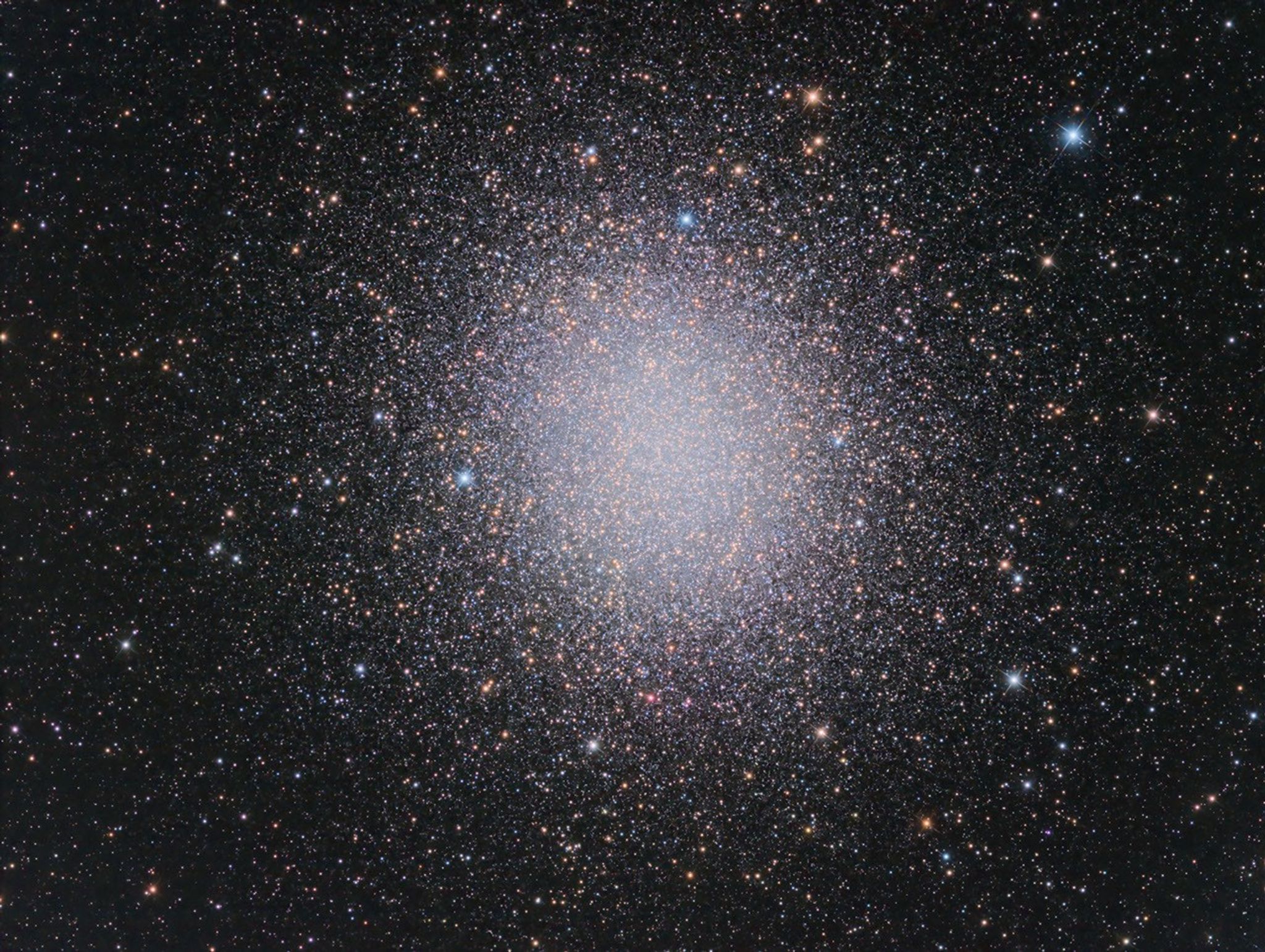
NASA APOD Spotlights Omega Centauri, Milky Way's Largest Globular Cluster

NASA's Astronomy Picture of the Day (APOD) for September 25, 2026 features Omega Centauri, a massive globular star cluster. APOD is a long-running NASA initiative that highlights a new astronomical image each day, accompanied by an explanation from a professional astronomer. Omega Centauri is one of the most studied globular clusters and is considered the largest such cluster associated with the Milky Way. The feature aims to engage the public in exploring the cosmos through striking imagery and accessible scientific context.

0
SpaceNASA ·

Hurricane Polo Rapidly Intensifies Into One of Eastern Pacific's Strongest Storms

Hurricane Polo has undergone explosive intensification off the Pacific coast of Mexico, becoming one of the most powerful storms ever recorded in the eastern Pacific basin. Multiple atmospheric and oceanic conditions aligned simultaneously to fuel the storm's rapid development. NASA tracked and reported on the storm's dramatic strengthening. The convergence of these favorable ingredients allowed Polo to reach exceptional intensity in a relatively short period of time.