SShortSingh.
Back to feed

NASA's LRO Photographs New Moon Crater Left by SpaceX Falcon 9 Rocket Stage

0
·1 views
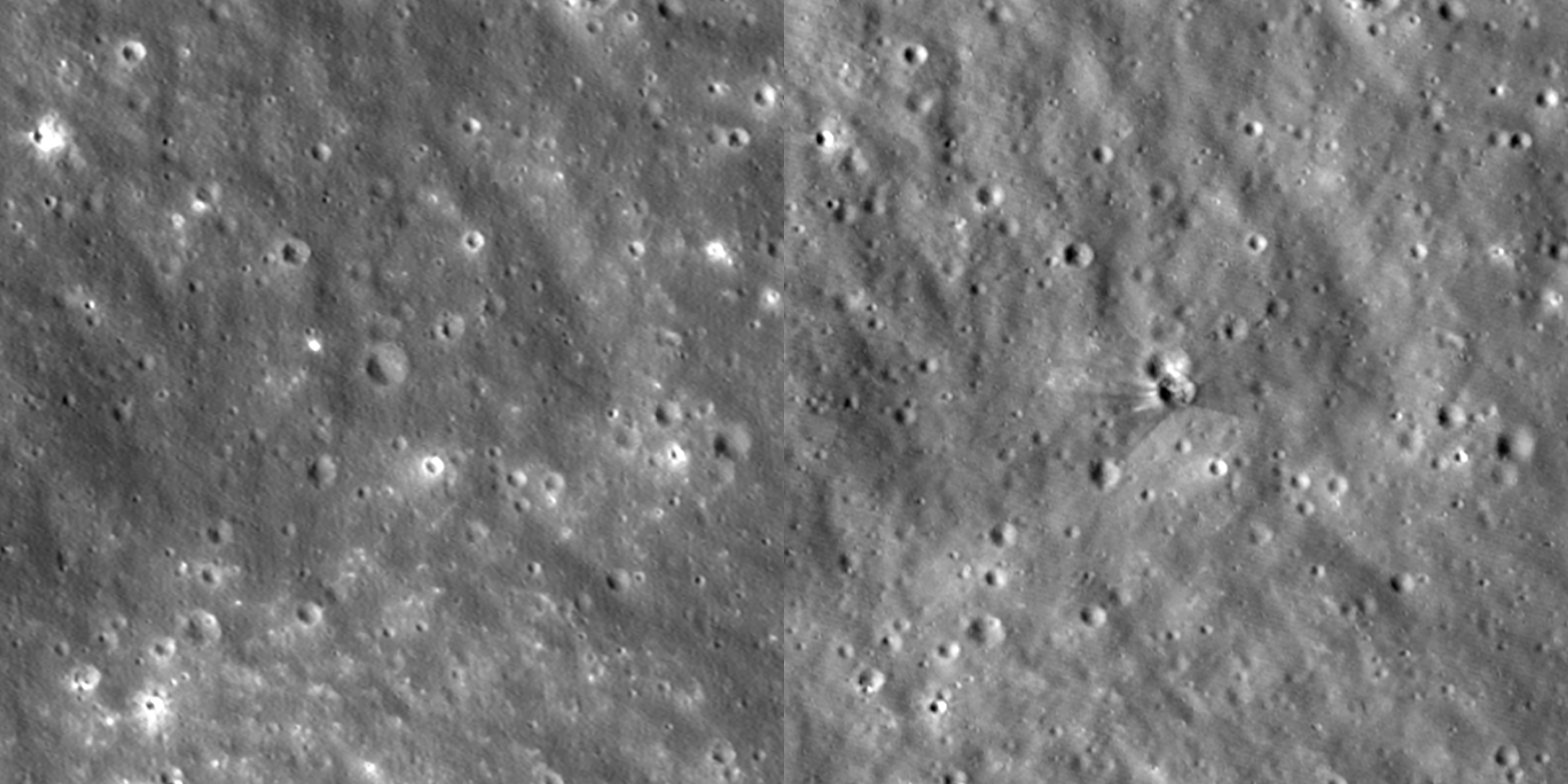
NASA's Lunar Reconnaissance Orbiter (LRO) captured images of a newly formed lunar crater between August 11 and 12. The crater was created on August 5 when a SpaceX Falcon 9 upper stage struck the Moon's surface. The rocket stage had been left over from the January 2025 launch of the Firefly Blue Ghost 1 mission. The LRO imaging campaign was aimed at documenting the impact site and gathering new details about the resulting crater.

Read the full story at NASA

This is an AI-generated summary. ShortSingh links to the original source for the complete article.

Discussion (0)

Log in to join the discussion and vote.

Log in

Related stories

0
SpaceNASA ·

NASA Challenges College Teams to Design Aircraft for Infrastructure Inspection

NASA has launched its next Gateways to Blue Skies competition, targeting collegiate teams across the United States. The challenge asks students to develop innovative aircraft-based concepts for inspecting land-based infrastructure such as bridges and tunnels. The goal is to improve safety, reliability, and cost-effectiveness of infrastructure monitoring by 2035 or earlier. NASA emphasizes that strong infrastructure is critical to the nation's economy, global competitiveness, and everyday quality of life.

0
SpaceNASA ·

NASA's Boeing 777 Gets Fresh Paint Ahead of 2027 Science Mission Launch

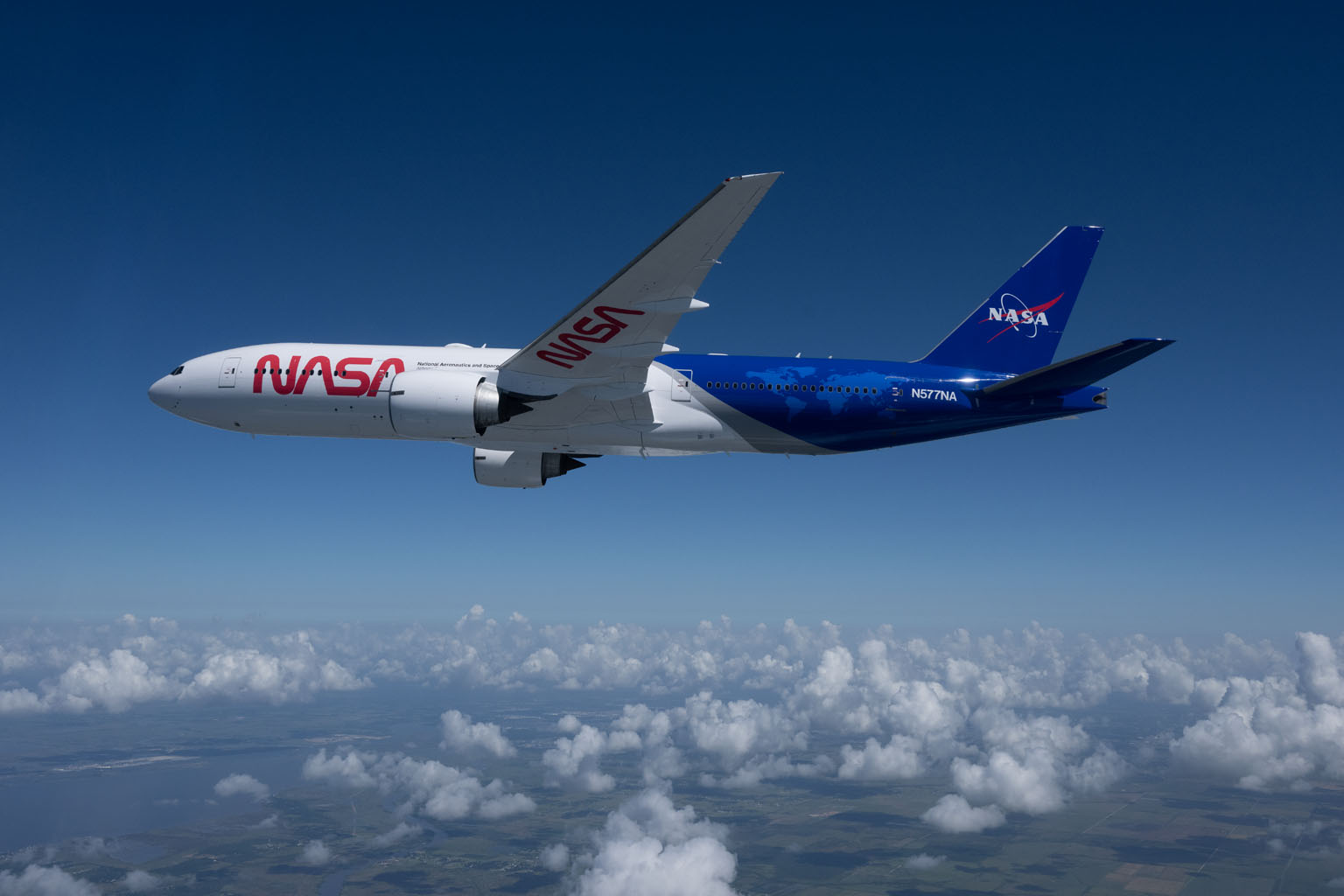
NASA's Boeing 777 research aircraft received a new coat of paint, as seen in a photo dated August 11, 2026. The aircraft was acquired to replace the NASA DC-8, a research plane that was retired in 2024. The B777 is intended to extend the scientific capabilities previously provided by its predecessor. The aircraft is set to begin operations in 2027, flying out of NASA's Langley Research Center in Hampton, Virginia.

0
SpaceNASA ·

NASA Glenn Research Center's Decades of Flight Testing Shaped Aerospace History

NASA's Glenn Research Center in Cleveland has spent decades conducting real-world flight research to validate laboratory aerospace discoveries. Scientists and pilots flew aircraft into specific conditions, including icing clouds and precisely mapped atmospheric routes. This hands-on approach enabled researchers to gather direct in-flight measurements that ground testing alone could not provide. The data collected through these missions proved critical to advancing aerospace knowledge and technology. Glenn's sustained commitment to flight testing has cemented its role in shaping some of NASA's most significant breakthroughs.

0
SpaceNASA ·

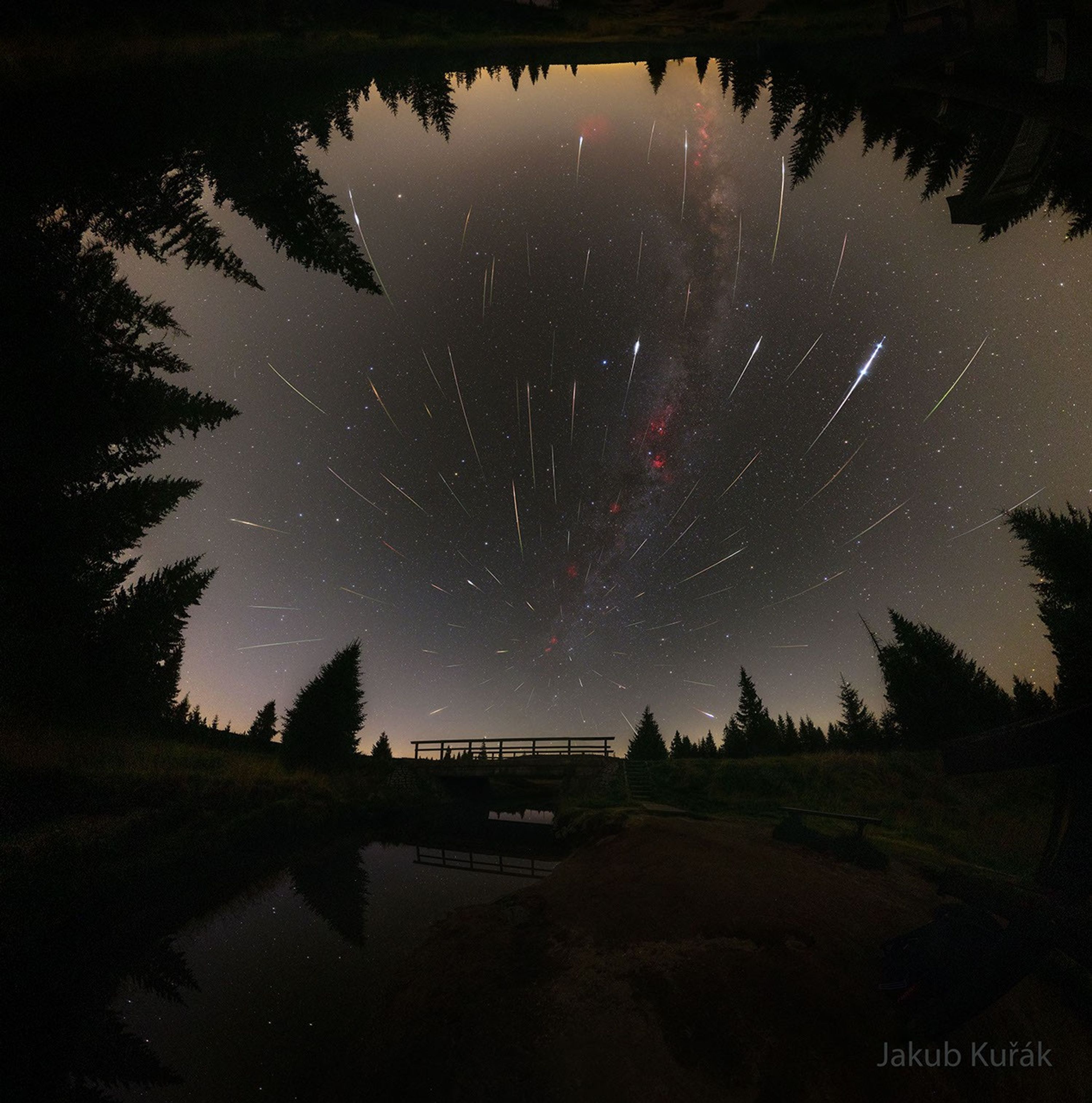
APOD: 2026 August 18 – Perseids from Perseus

APODScienceAPODAPOD: 2026 August 18 –…Today’s APODArchiveSubmissionsIndexSearchCalendarRSSEducationAboutDiscuss APOD Astronomy Picture of the Day Discover the cosmos! Each day a different image or photograph of our fascinating universe is featured, along with a brief explanation written by a professional astronomer. Perseids from Perseus Explanation: This was a good year for the Perseids meteor shower. A key reason was the Moon was […]