SShortSingh.
Back to feed

NASA's Dexterous Robotics Team Prepares Human-Robot Collaboration for Deep Space

0
·2 views
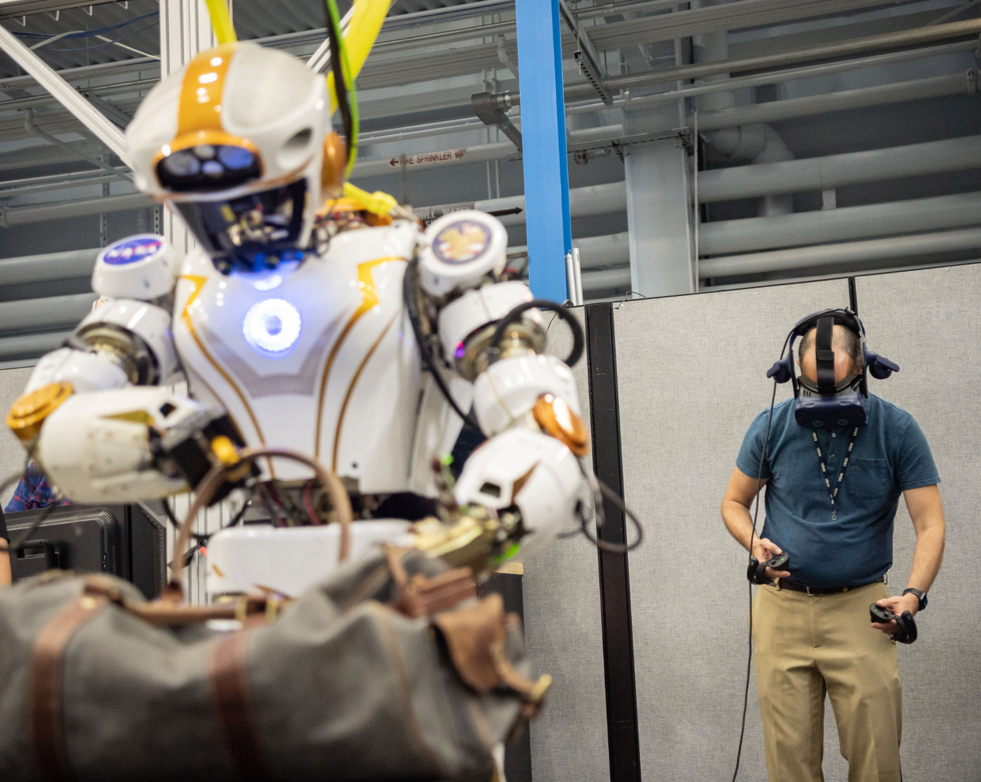
NASA's Johnson Space Center is developing advanced robotic systems aimed at enabling humans and robots to work together on future deep-space missions. The initiative is driven by the growing complexity of NASA's missions beyond Earth orbit, where robotic assistance could significantly boost crew efficiency and safety. These dexterous robots are designed to reduce risks for astronauts while expanding their operational capabilities in challenging environments. Human-robot collaboration, once considered science fiction, is now a tangible goal as NASA invests in robotics research at its Houston facility.

Read the full story at NASA

This is an AI-generated summary. ShortSingh links to the original source for the complete article.
Discussion (0)

Log in to join the discussion and vote.

Log in

Related stories

0
SpaceNASA ·

Astronomers Determine the Average Color of the Universe Is 'Cosmic Latte'

Scientists have determined that the average color of the universe, when all starlight is blended together, is a beige-white hue nicknamed 'Cosmic Latte.' This finding emerged from analyzing the combined light emitted by hundreds of thousands of galaxies. NASA's Astronomy Picture of the Day (APOD) featured this concept on September 28, 2026, pairing the image with an explanation from a professional astronomer. The term 'Cosmic Latte' was coined to give an approachable name to this composite color derived from the universe's overall stellar emissions. The result offers a unique perspective on the large-scale composition and evolution of stars across the cosmos.

0
SpaceNASA ·

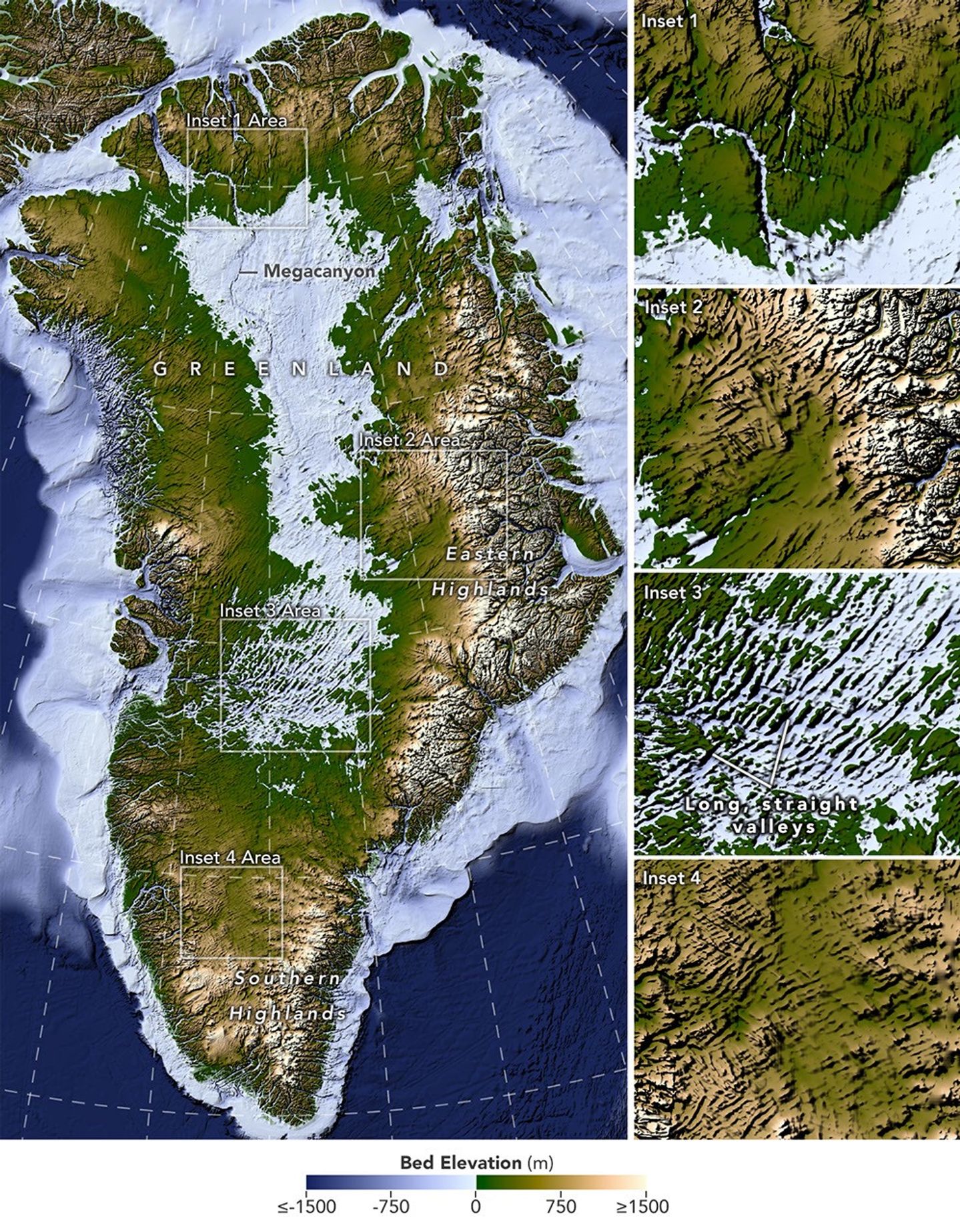
New Map Reveals Hidden Valley Network Beneath Greenland's Ice Sheet

NASA has produced a new detailed map of the terrain lying beneath the Greenland Ice Sheet. The map successfully connects hundreds of valleys that earlier mapping efforts had either missed entirely or left as disconnected fragments. These hidden valleys lie buried under the vast ice sheet covering Greenland. The improved mapping provides scientists with a more complete picture of the subglacial landscape, which is important for understanding ice flow and melting patterns.

0
SpaceNASA ·

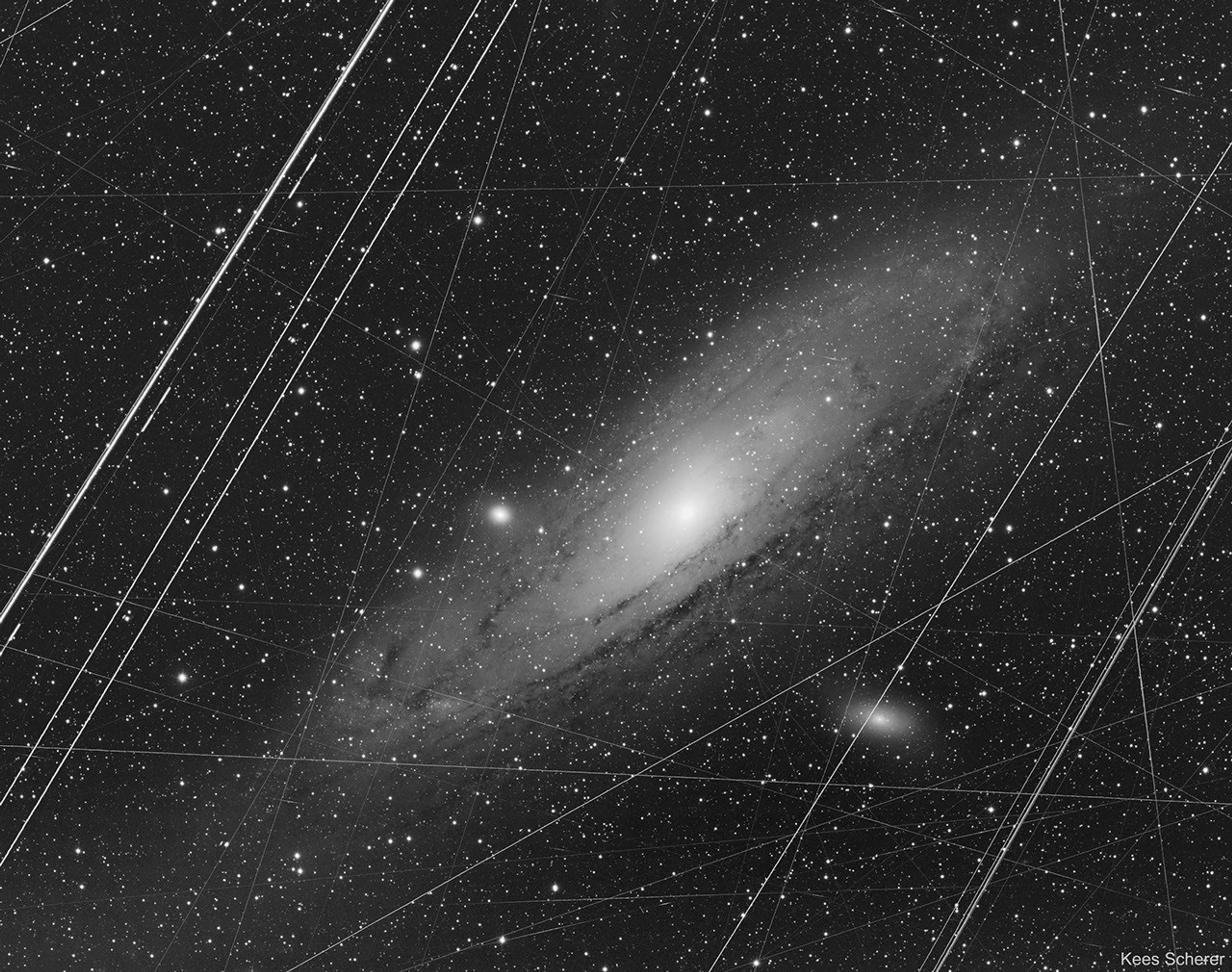
NASA APOD Shows Raw vs. Processed Views of the Andromeda Galaxy

NASA's Astronomy Picture of the Day (APOD) for September 27, 2026 features a before-and-after comparison of the Andromeda Galaxy, illustrating the impact of image processing on astronomical photography. The feature highlights how raw telescope captures differ significantly from the polished versions commonly seen in science publications. APOD is a long-running NASA initiative that publishes a daily space image accompanied by an explanation from a professional astronomer. The showcase serves as an educational tool, helping the public understand that astrophotography involves substantial post-processing work. The Andromeda Galaxy, the Milky Way's nearest large galactic neighbor, is a frequent subject of both amateur and professional astronomical imaging.

0
SpaceNASA ·

NASA APOD Features Mirrored Meteor Reflected Alongside Milky Way

NASA's Astronomy Picture of the Day (APOD) for September 26, 2026 showcases a striking image of a meteor and its mirror reflection set against the Milky Way. The daily APOD program highlights a unique photograph or image of the universe, accompanied by an explanation from a professional astronomer. The featured image captures a rare visual symmetry between a meteor and its reflected counterpart. APOD has long served as an educational resource, making astronomical imagery accessible to the public. The program is hosted by NASA and continues to archive thousands of space images submitted and curated over the years.