SShortSingh.
Back to feed

NASA's Curiosity Rover Marks 14 Years on Mars Surface

0
·1 views
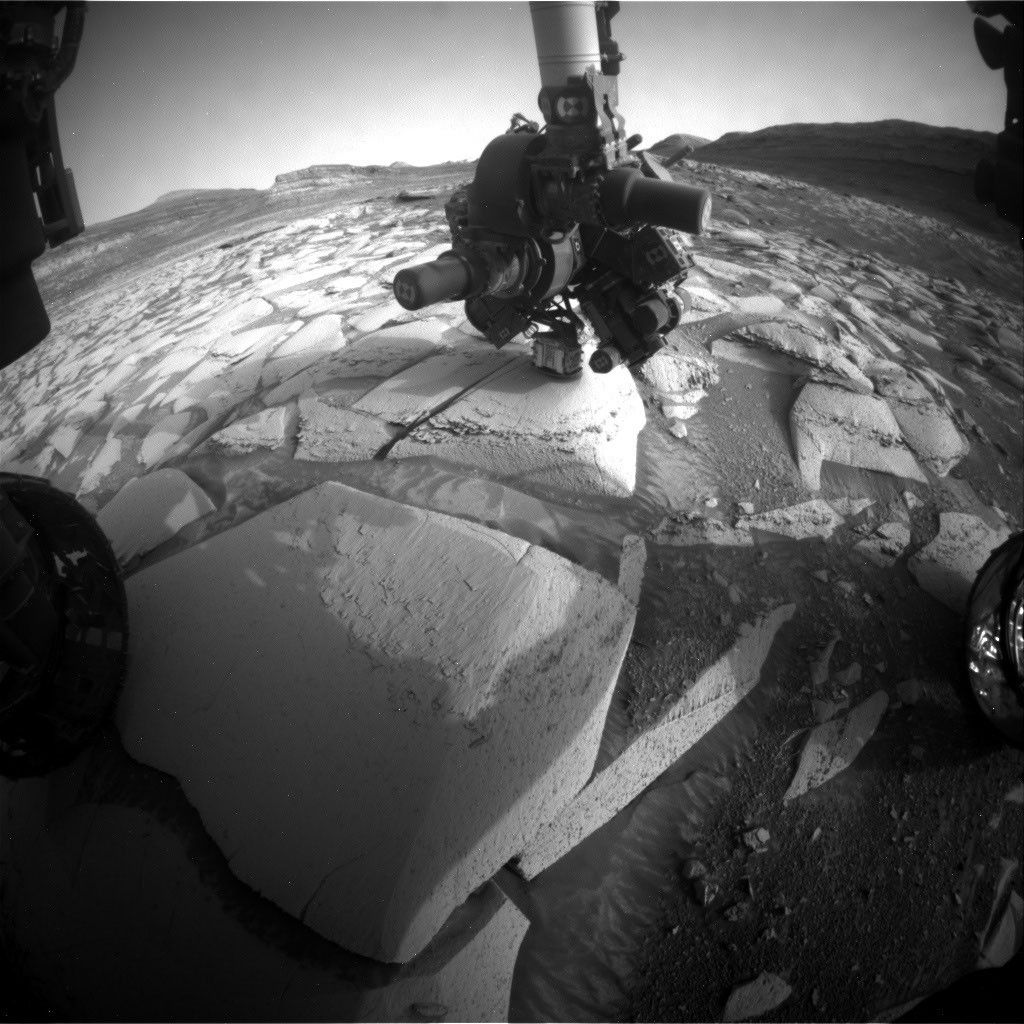
NASA's Curiosity rover celebrated its 14th landing anniversary on Mars during the week of August 7, 2026. The milestone was noted by the Curiosity science team on Earth, including planetary mineralogist Susanne P. Schwenzer of The Open University, UK. The rover has been operating on the Martian surface since its dramatic landing in August 2012. The team reflected on the mission's longevity as Curiosity continued its scientific work during sols 4975 to 4981. The anniversary marks over a decade of continuous exploration and data collection on Mars.

Read the full story at NASA

This is an AI-generated summary. ShortSingh links to the original source for the complete article.

Discussion (0)

Log in to join the discussion and vote.

Log in

Related stories

0
SpaceNASA ·

NASA Picks Four Companies to Handle Payload Processing for Future Missions

NASA has selected four companies to provide commercial payload processing services under its Spacecraft Processing Operations Contract. The selection was made through an on-ramp provision, which allows new qualified providers to join the contract after its initial award. These companies will offer payload processing facilities at multiple launch locations where such capabilities were previously unavailable. The arrangement expands NASA's operational capacity to support a broader range of agency missions going forward.

0
SpaceNASA ·

NASA-Funded Network Delivers Detailed Air Pollution Data for Addis Ababa

A NASA-funded air pollution monitoring network has conducted one of the most comprehensive long-term studies of air quality in Addis Ababa, Ethiopia's capital. The research focused on black carbon, a form of soot generated by fires, diesel vehicles, and other combustion sources. The collected data reveals how pollution levels fluctuate across different times of day and across seasons. The findings offer valuable insights into the patterns and sources driving air quality changes in the city.

0
SpaceNASA ·

NASA Lab Trains Young Planetary Scientists in Public Engagement

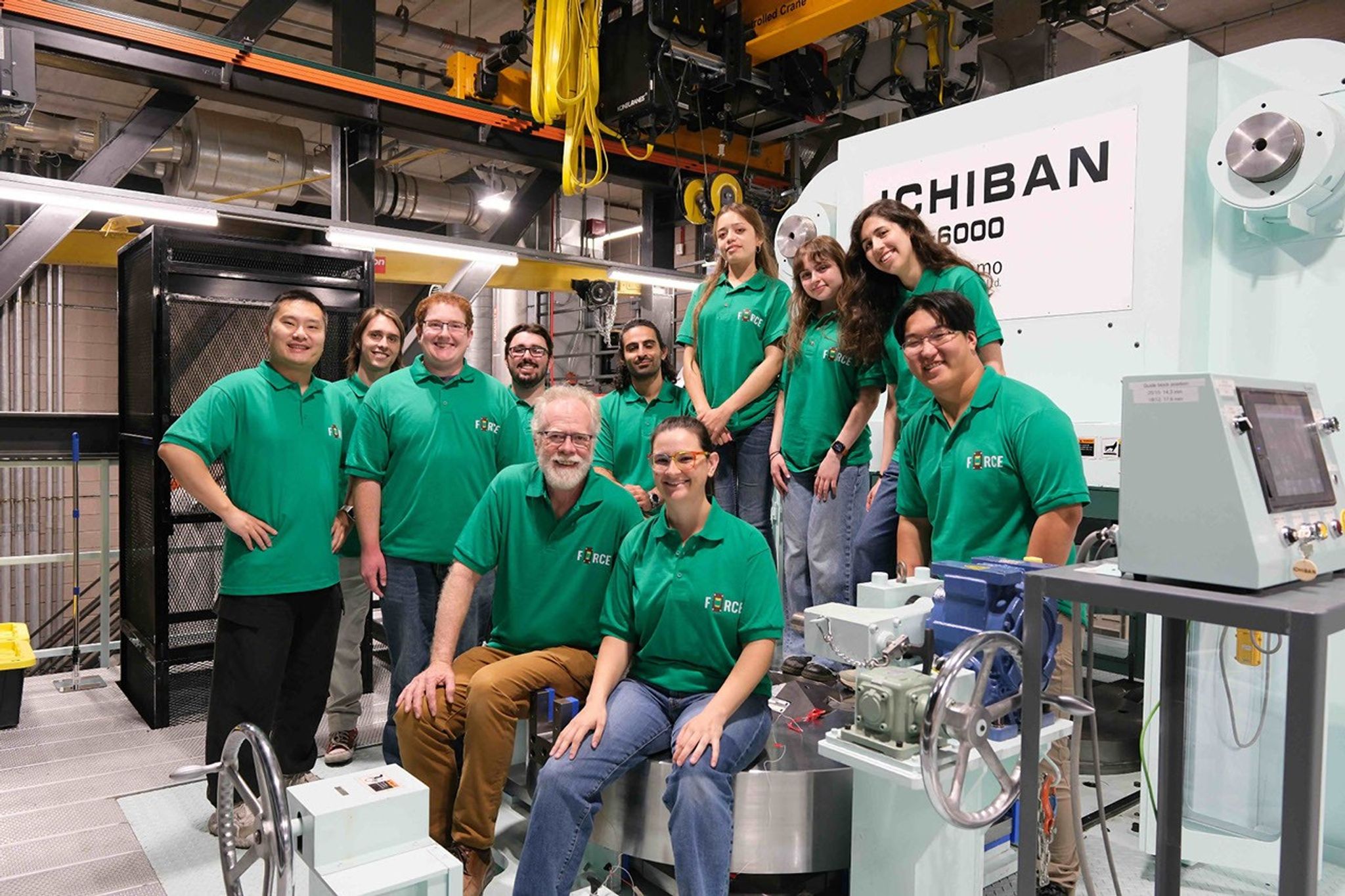
NASA's FORCE laboratory is equipping the next generation of planetary scientists with public engagement skills alongside technical research training. The facility uses high-pressure experimental equipment to simulate extreme conditions found deep inside Earth and other planets. This enables researchers to study how planets form, evolve, and respond to immense internal pressures. Beyond scientific research, the program emphasizes teaching early-career scientists how to effectively communicate their findings to the public.

0
SpaceNASA ·

NASA Telescopes Combine to Reveal Stunning New View of Tarantula Nebula

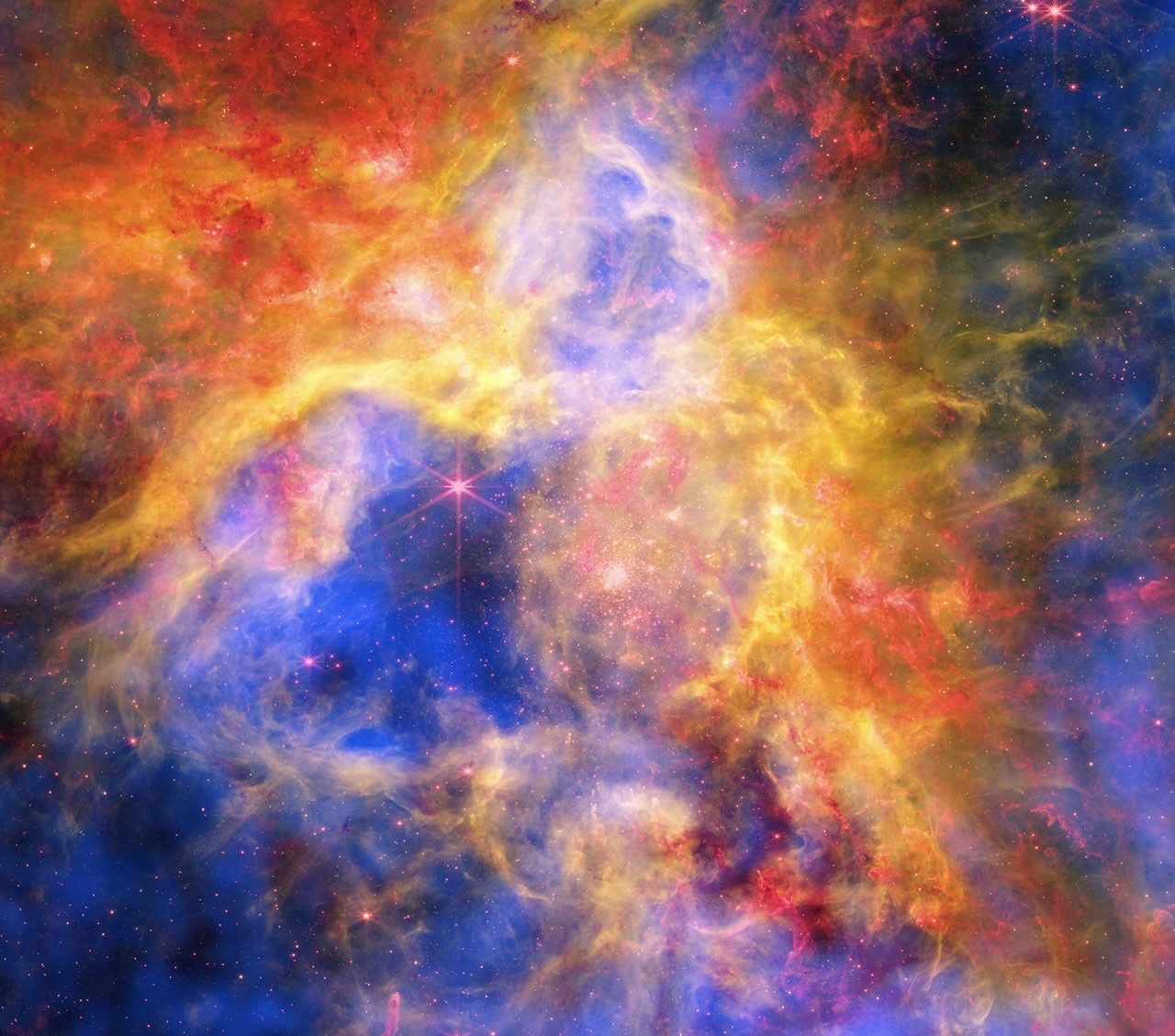
NASA released a composite image of the Tarantula Nebula, also known as 30 Doradus, on August 11, 2026. The image was created by merging data from three space observatories: the Chandra X-ray Observatory, the James Webb Space Telescope, and the Hubble Space Telescope. The nebula is situated in the Large Magellanic Cloud, a small satellite galaxy of the Milky Way located approximately 160,000 light-years from Earth. By combining data across different wavelengths, the image offers a richly detailed and colorful portrait of one of the most active star-forming regions in our cosmic neighborhood.

NASA's Curiosity Rover Marks 14 Years on Mars Surface · ShortSingh