SShortSingh.
Back to feed

NASA's Astronomy Picture of the Day Features an M-Class Solar Flare

0
·1 views
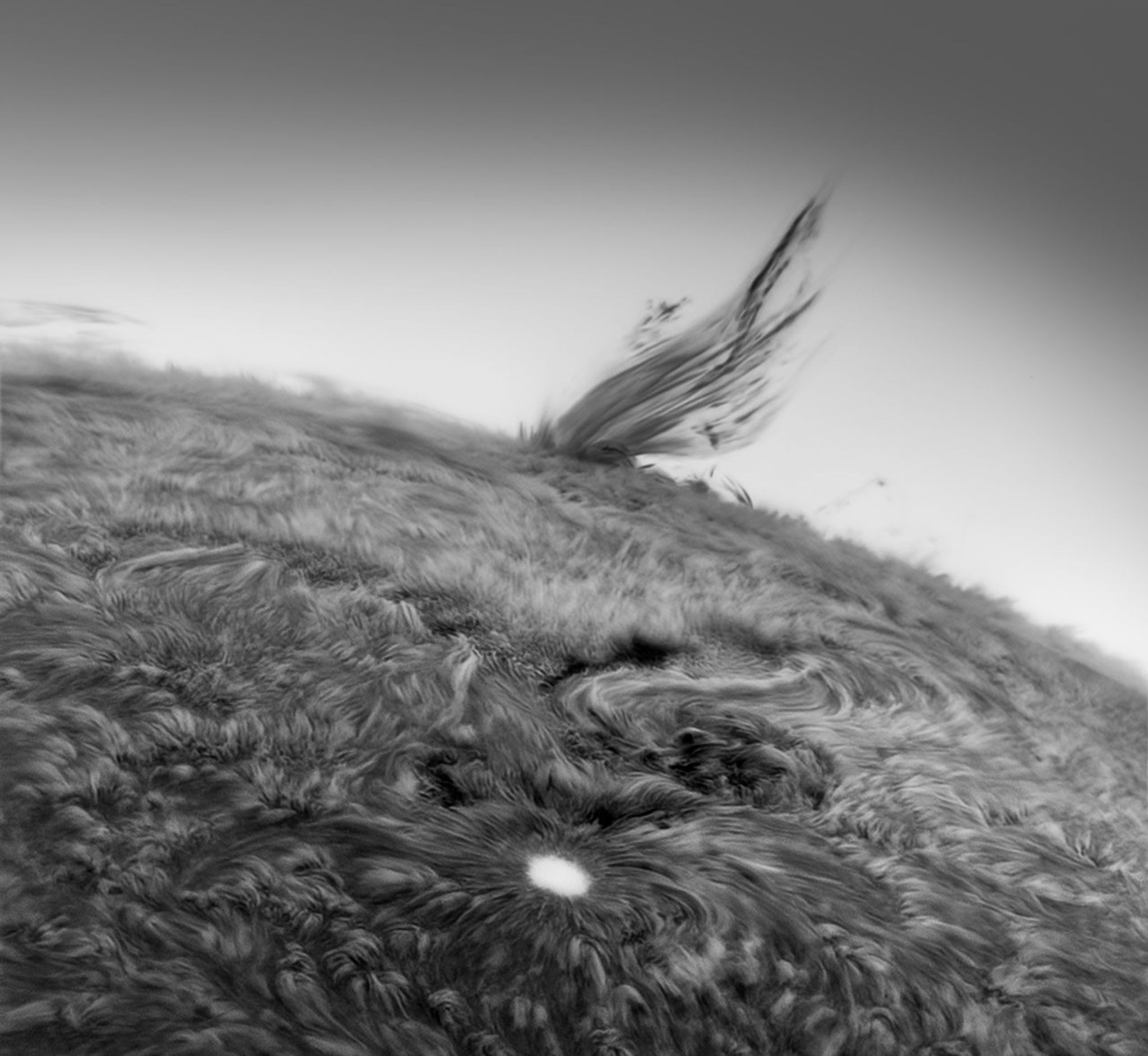
NASA's Astronomy Picture of the Day for November 18, 2026 highlights an image of a medium-sized solar flare. The feature is part of APOD's daily series, which pairs a notable picture of the universe with a short explanation written by a professional astronomer. The article text provided is largely website navigation, so specific details about the flare's observation and timing are limited. The entry is posted on NASA's APOD website, which archives past images and accepts public submissions.

Read the full story at NASA

This is an AI-generated summary. ShortSingh links to the original source for the complete article.

Discussion (0)

Log in to join the discussion and vote.

Log in

Related stories

0
SpaceNASA ·

NASA Opens Student Contest on Space Nuclear Power for Lunar Exploration

NASA launched its Power to Explore Student Challenge on Tuesday, November 17. The STEM competition is open to kindergarten through 12th grade students across the United States. Participants learn about nuclear power systems for space and sketch how such nuclear "batteries" could support NASA's lunar exploration plans. Students are also asked to write about their ideas. The challenge aims to spark interest in science and engineering among young people.

0
SpaceNASA ·

NASA's Space Apps Challenge Sets Record With Nearly 182,000 Participants

NASA hosted its annual Space Apps Challenge on November 14 and 15, drawing a record 181,835 registered participants. The hackathon took place across 593 events worldwide. Participants worked with NASA's open data to tackle one of 14 challenges centered on space exploration or Earth science. The article notes that 59% of participants this year were first-time contributors, though the remaining details were cut off.

0
SpaceNASA ·

NASA Launches BPS Digital AVATAR Challenge on Biological Responses to Space Stressors

NASA's Space Biology Program, part of the Biological and Physical Sciences Division, studies how living systems react to the conditions of spaceflight. These conditions include microgravity, ionizing radiation, low magnetic fields, and elevated carbon dioxide levels. The research spans all levels of biological organization, from molecules to whole organisms. The work is aimed at preparing for long-duration deep-space missions. The article excerpt is truncated, so details of the challenge's specific goals and timeline are not included here.