SShortSingh.
Back to feed

NASA Invites College Teams to Design Future Lunar Technology Concepts for 2027

0
·1 views
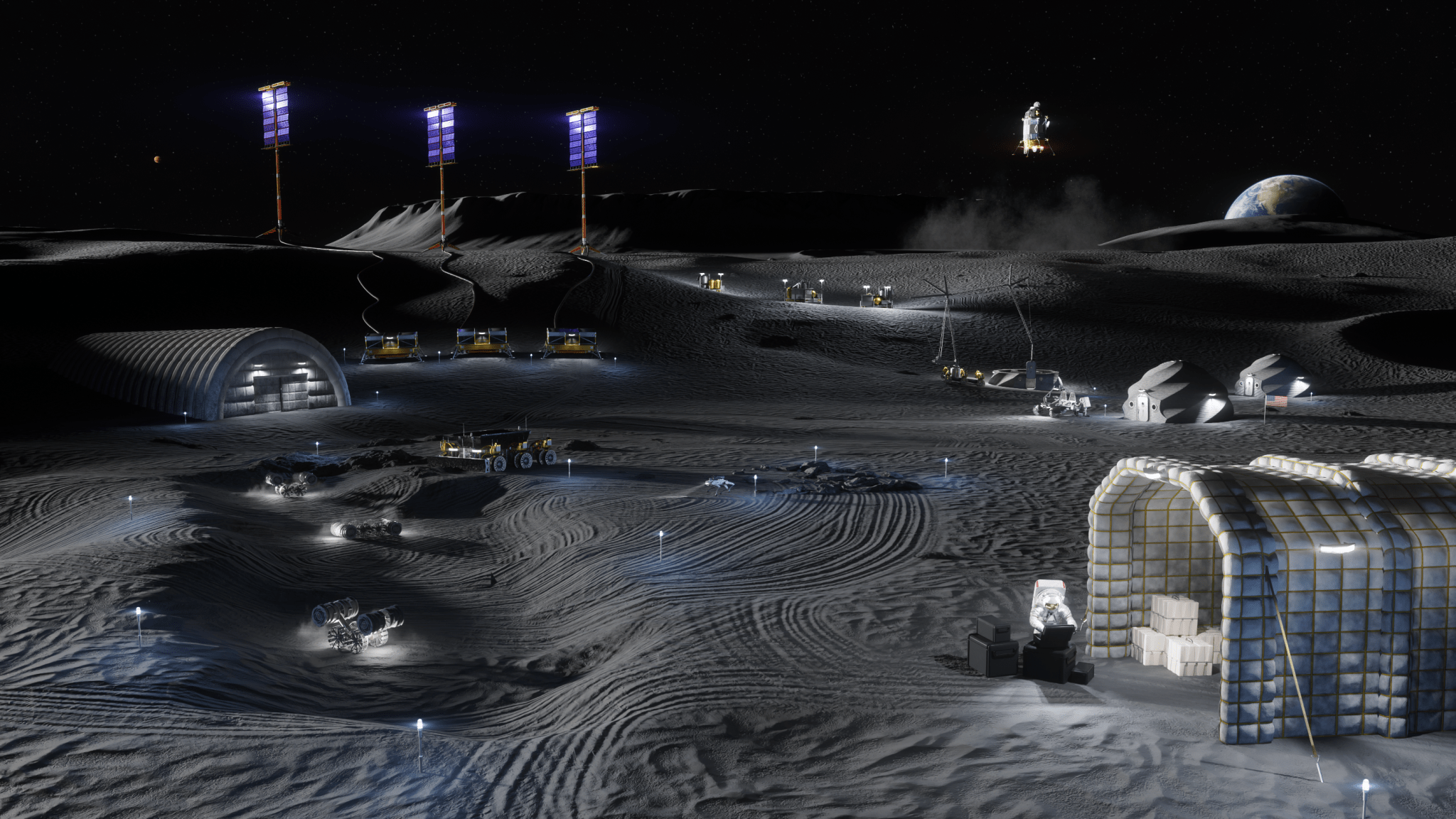
NASA has launched the 2027 edition of its RASC-AL competition, calling on U.S.-based collegiate teams to submit original aerospace concepts. The challenge, formally known as the Revolutionary Aerospace Systems Concepts – Academic Linkage program, focuses on innovations that could shape future human presence on the Moon. Student teams are tasked with exploring new operational approaches and advancing technologies relevant to lunar exploration. The competition serves as a bridge between academic research and NASA's long-term space exploration goals.

Read the full story at NASA

This is an AI-generated summary. ShortSingh links to the original source for the complete article.

Discussion (0)

Log in to join the discussion and vote.

Log in

Related stories

0
SpaceNASA ·

NASA to Host MAX POWER Aerospace Expo at Kennedy Space Center in November

NASA has announced MAX POWER, a public aerospace exposition celebrating America's 250th anniversary. The two-day event is scheduled for November 7 and 8 at and around Kennedy Space Center in Florida. The family-friendly expo will feature next-generation aircraft, spacecraft, autonomous vehicles, and emerging technologies. NASA made the announcement on Friday, positioning the event as a showcase of American air and space innovation.

0
SpaceNASA ·

Volunteer Builds ML Tool to Spot Rare Clouds for NASA-Backed Project

A volunteer has developed a machine-learning tool to help identify rare cloud formations as part of the NASA-supported Space Cloud Watch project. Scientists have observed that certain types of clouds are appearing more frequently and at lower altitudes than historically recorded. To investigate the factors driving these changes, researchers have enlisted citizen volunteers worldwide to submit photographs of these unusual clouds. The crowdsourced image data, combined with the new machine-learning tool, aims to improve the identification and analysis of these shifting cloud patterns.

0
SpaceNASA ·

NASA's COFFIES Tool Uses AI to Forecast Sun Regions That Trigger Space Storms

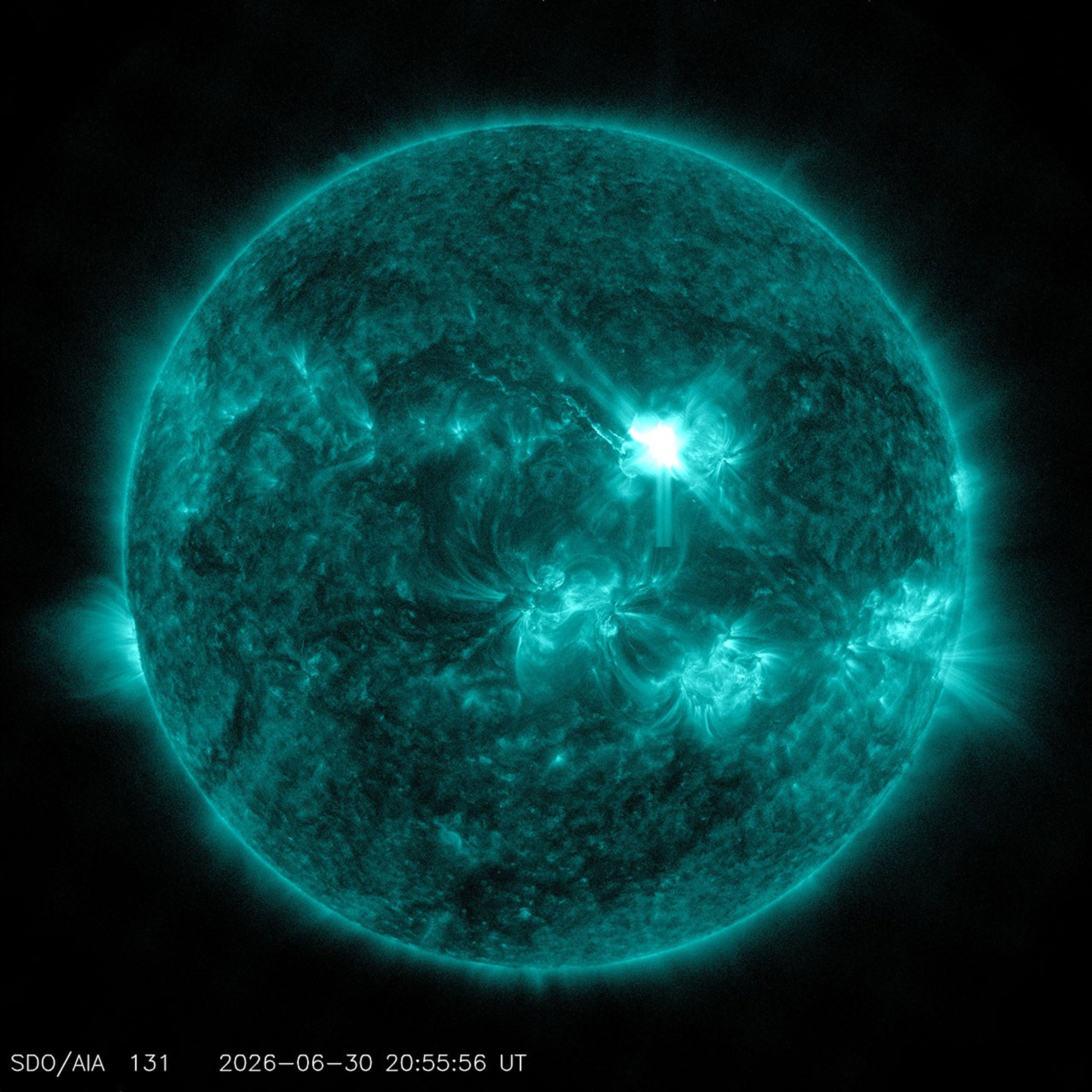
NASA scientists have developed an AI-powered tool called COFFIES to predict solar active regions responsible for generating dangerous space weather. The system was built by a team of astrophysicists and data scientists working under the COFFIES project, which stands for Consequence Of Fields and Flows in the Interior and Exterior of the Sun. Space weather, driven primarily by solar activity, poses increasing risks as NASA advances its plans for lunar and deep-space exploration. By identifying storm-causing regions on the Sun earlier, the tool aims to give scientists and mission planners more time to prepare and respond to potential disruptions.

0
SpaceNASA ·

Total Solar Eclipse Sweeps Across Europe and Atlantic on August 12, 2026

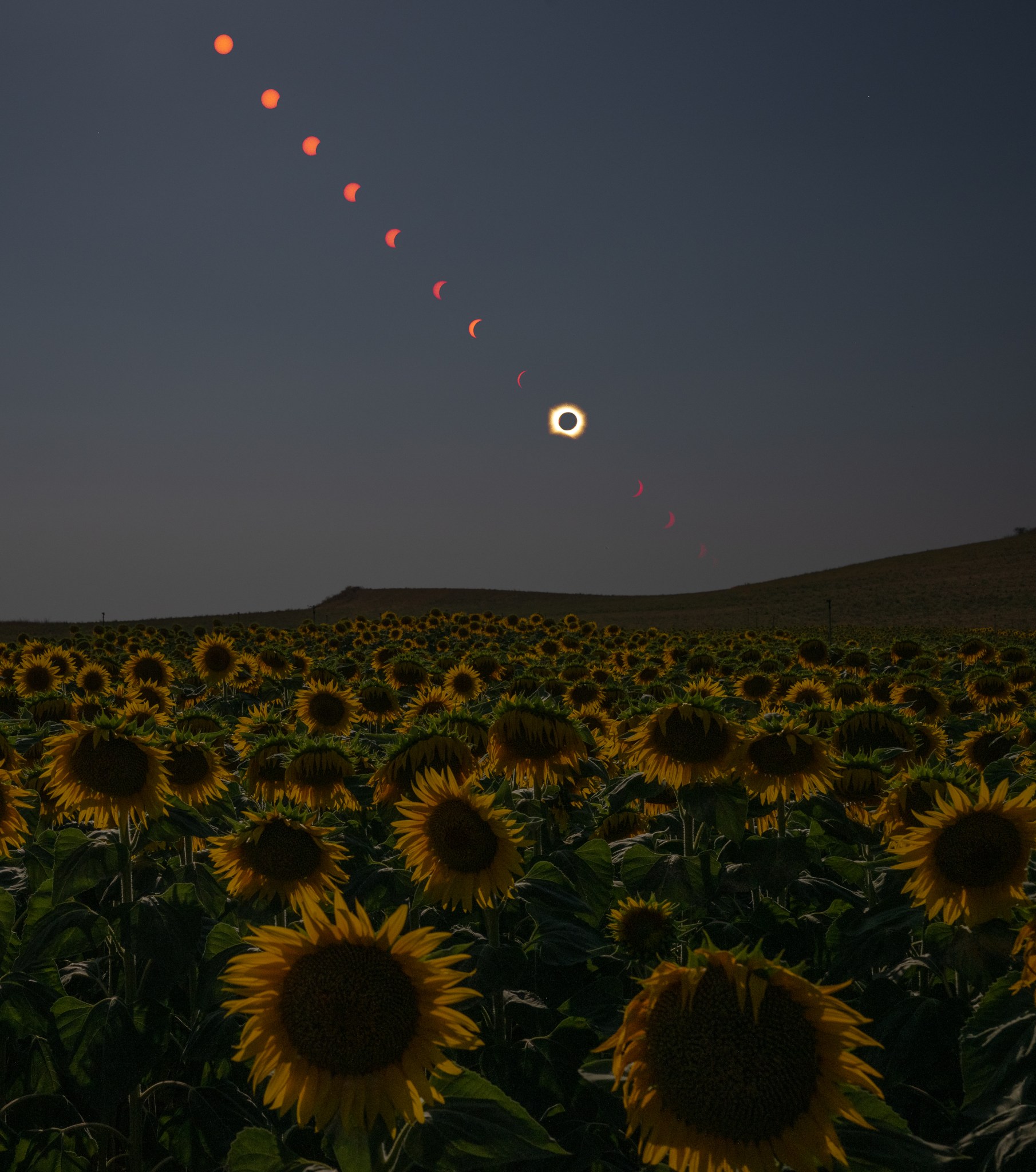
A total solar eclipse occurred on Wednesday, August 12, 2026, sweeping across several regions including Greenland, Iceland, northern Russia, the Atlantic Ocean, Spain, and a small part of Portugal. NASA captured a composite image documenting the progression of the eclipse over San Millán de los Caballeros, Spain. The striking photograph was taken against a sunflower field backdrop, illustrating the stages of totality. Parts of the United States were also able to observe a partial eclipse during the event.

NASA Invites College Teams to Design Future Lunar Technology Concepts for 2027 · ShortSingh