SShortSingh.
Back to feed

NASA Hyperwall Storytelling Sessions Scheduled at AGU 2026 Exhibit Hall

0
·1 views

NASA is presenting hyperwall storytelling sessions at the American Geophysical Union's 2026 meeting, with its exhibit located at Booth #525 in the Exhibit Hall. The agency's experts will deliver the presentations on the large-scale display system. A full agenda has been published, listing sessions by date and time. The first Tuesday, November 17 sessions begin at 10:30 AM and cover topics such as high-resolution hydrology simulations for mapping water availability and extremes. Later sessions address subjects including computational fluid dynamics for aircraft flight performance.

Read the full story at NASA

This is an AI-generated summary. ShortSingh links to the original source for the complete article.
Discussion (0)

Log in to join the discussion and vote.

Log in

Related stories

0
SpaceNASA ·

Citizen Astronomers Invited to Help Hunt for Kilonova Flashes

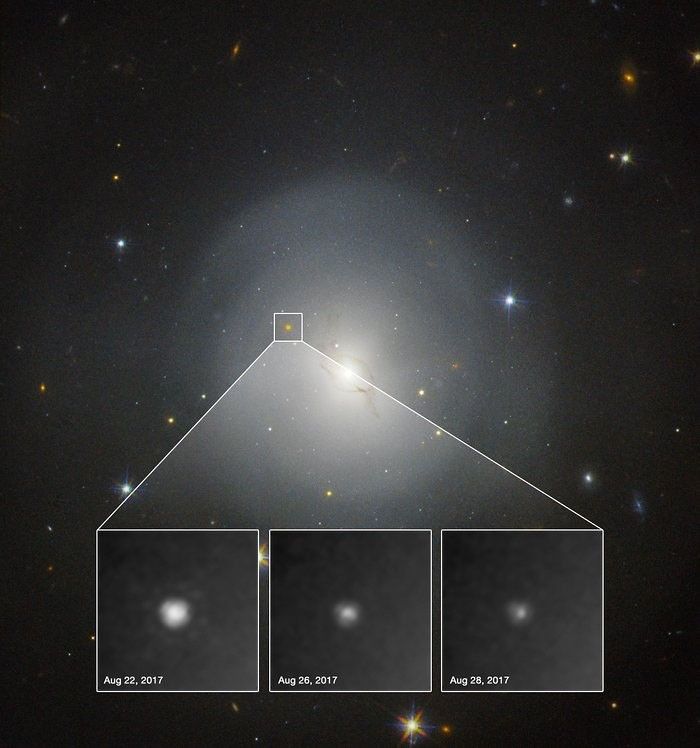
NASA is calling on amateur astronomers to join the search for kilonovae, brief bursts of light produced when neutron stars collide. Neutron stars are the extremely dense remnants of dead stars, roughly the size of a city. These collisions are believed to create much of the universe's gold, platinum, and other heavy elements. Because a kilonova fades within days, astronomers must detect it quickly, which is why no single observatory can do the job alone. The effort relies on a network of observers to spot these fleeting events in time.

0
SpaceNASA ·

NASA and Northrop Grumman's CRS-25 Mission to Deliver Supplies to Space Station

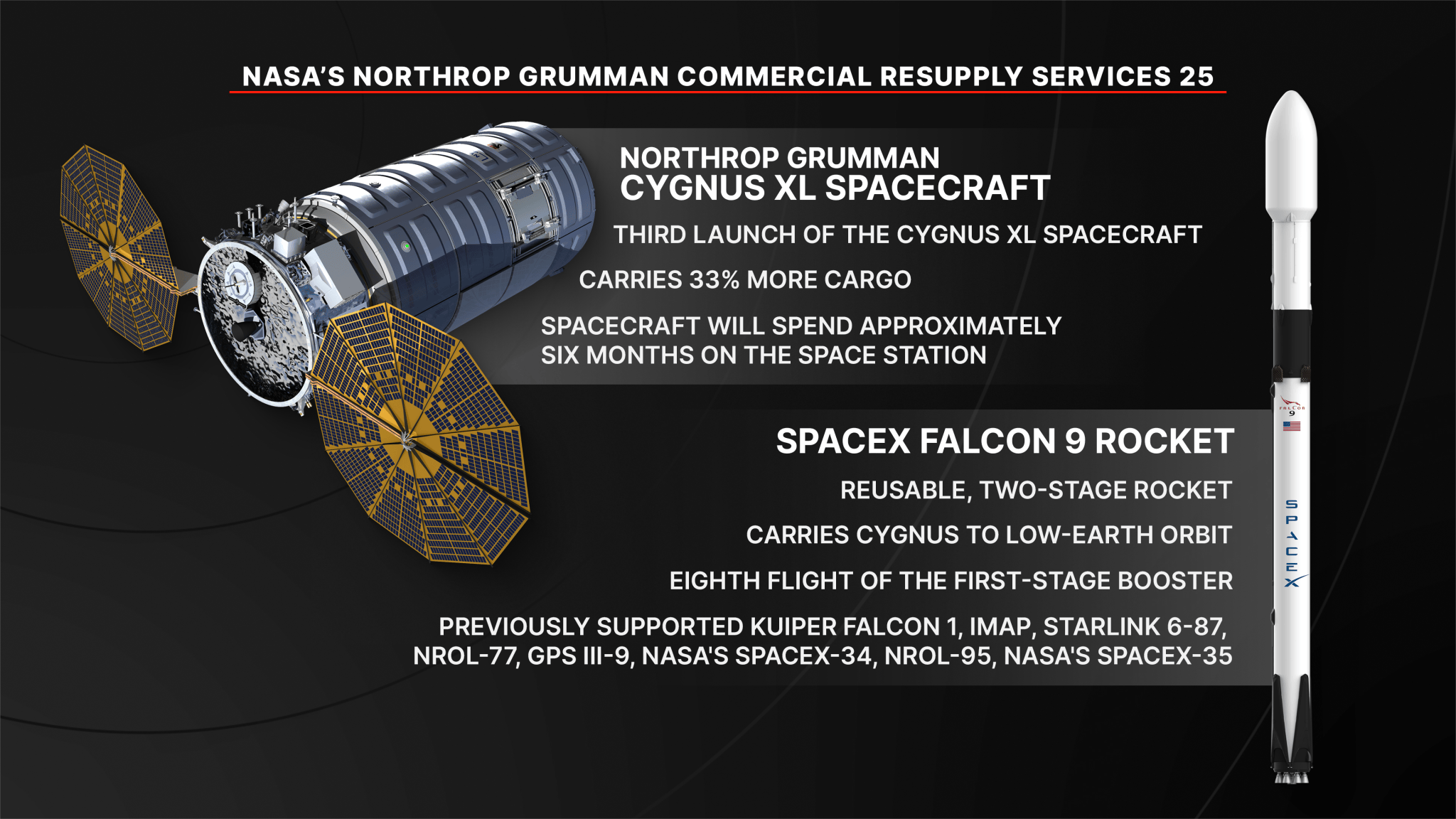
NASA's Northrop Grumman Commercial Resupply Services 25 mission, known as CRS-25, is set to carry roughly 11,000 pounds of science materials and supplies to the International Space Station. It marks the third flight of Northrop Grumman's Cygnus XL, a larger and more cargo-capable version of the company's solar-powered spacecraft. The Cygnus XL is scheduled to launch aboard a rocket, though the source text is truncated and does not provide further details on the launch vehicle or timing.

0
SpaceNASA ·

NASA's Dragonfly Titan Rotorcraft Receives First Science Instruments

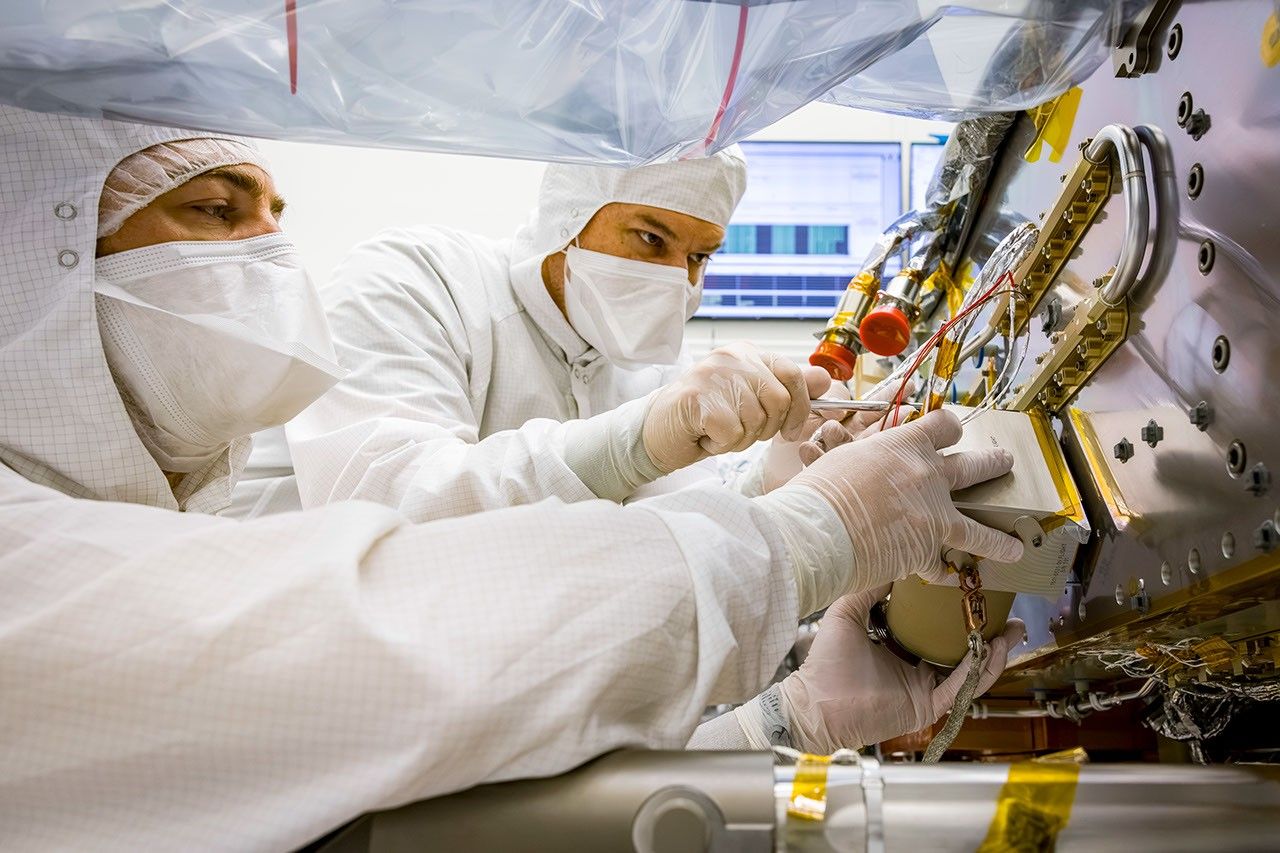
Science instruments are beginning to arrive at the Johns Hopkins Applied Physics Laboratory in Laurel, Maryland, where NASA's Dragonfly is being assembled. The car-sized rotorcraft is being built for a mission to explore Saturn's largest moon, Titan. The first instrument delivered is DragonCam, a set of seven cameras meant to document Titan's surface at multiple scales during flight. The arrival marks an early step in integrating the mission's scientific payload onto the spacecraft.