SShortSingh.
Back to feed

Meta Launches Llama Spark 1.1 with Developer Preview Access

0
·11 views
Meta has unveiled an upgraded AI model called Muse Spark 1.1, now available in preview for developers. The model is capable of writing and debugging code, as well as operating software and external tools. It can process multiple types of input, including text, images, and video. The upgraded system is also designed to handle complex, multi-step tasks while requiring less human oversight compared to previous versions.

Read the full story at NDTV

This is an AI-generated summary. ShortSingh links to the original source for the complete article.

Discussion (0)

Log in to join the discussion and vote.

Log in

Related stories

0
IndiaNDTV ·

US Intelligence Unsure Whether Jensen Huang's Partner Spied on Nvidia

According to a report, US intelligence officials remain uncertain whether a romantic partner of Nvidia CEO Jensen Huang engaged in spying on the company. Some officials contend that scrutiny of Huang's links to the Chinese government has overshadowed a larger concern. That concern is Washington's failure to prevent advanced chip technology, which is central to the global AI race, from reaching China. The focus on individual ties, they argue, has diverted attention from this systemic gap in export controls. The article frames the debate as one about policy priorities rather than settled allegations.

0
IndiaNDTV ·

Delhi Ranks as World's Most Polluted Major City as AQI Reaches Severe Levels

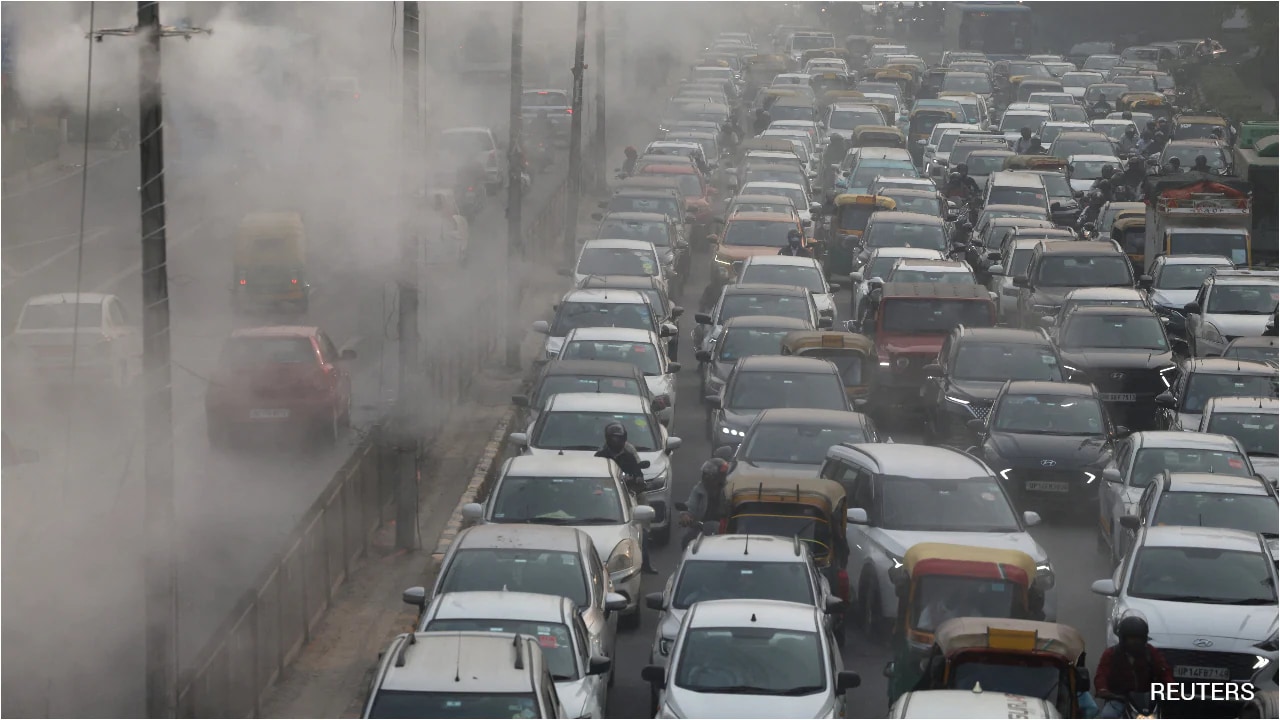
Delhi's air quality index reached 334, a level classified as hazardous, according to figures from Swiss group IQAir. This reading placed the Indian capital at the top of the list of the world's most polluted major cities. IQAir measures air quality by tracking the concentration of harmful airborne toxins. The ranking marks a shift, with Delhi overtaking Lahore, which had previously been listed as the most polluted.

0
IndiaNDTV ·

India Inflation Exceeds RBI's 6% Ceiling; Higher Costs Expected for Dining and Travel

Inflation in India has moved above the Reserve Bank of India's 6 per cent upper tolerance limit. If it stays at that level, everyday spending on eating out, travel, clothing and certain services is likely to become more expensive. The article examines the practical consequences for household budgets. It notes that sustained price pressure of this kind is the central concern for policymakers.