SShortSingh.
Back to feed

Louisiana Students Launch Science Payloads via NASA Balloon Facility in Texas

0
·35 views
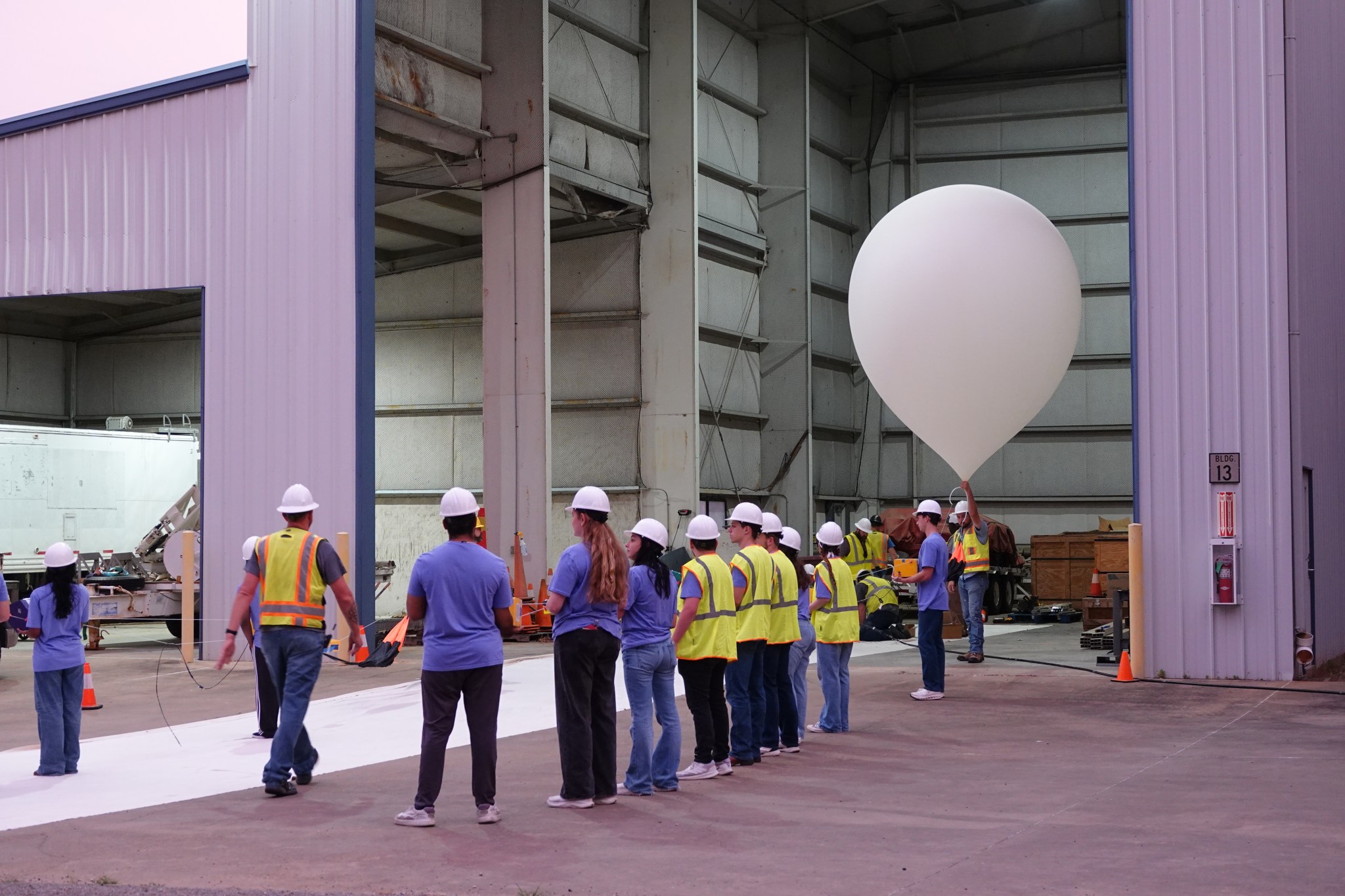
Each spring, students and faculty from Louisiana universities travel to NASA's Columbia Scientific Balloon Facility in Palestine, Texas, to conduct high-altitude science experiments. The teams spend months in advance designing and engineering payloads equipped with sensors and data-collection equipment. Once ready, the payloads are launched aboard NASA balloons to the edge of space. The primary objective is to gather meaningful scientific data from near-space altitudes. The annual program gives students hands-on experience in aerospace research and experimental design.

Read the full story at NASA

This is an AI-generated summary. ShortSingh links to the original source for the complete article.

Discussion (0)

Log in to join the discussion and vote.

Log in

Related stories

0
SpaceNASA ·

Arctic Sea Ice Hits 2026 Annual Low, Ties for 10th Smallest on Record

Arctic sea ice reached its 2026 annual minimum extent on September 12, according to NASA and the National Snow and Ice Data Center at the University of Colorado Boulder. The ice covered approximately 1.78 million square miles, or 4.6 million square kilometers. This figure ties the extents recorded in 2008, 2010, and 2025, placing 2026 among the ten lowest minimums in the satellite observation record. Scientists track the annual minimum each year as a key indicator of long-term changes in the Arctic climate system.

0
SpaceNASA ·

Shannon Lucid's Record-Breaking Six-Month Stay on Russia's Mir Space Station

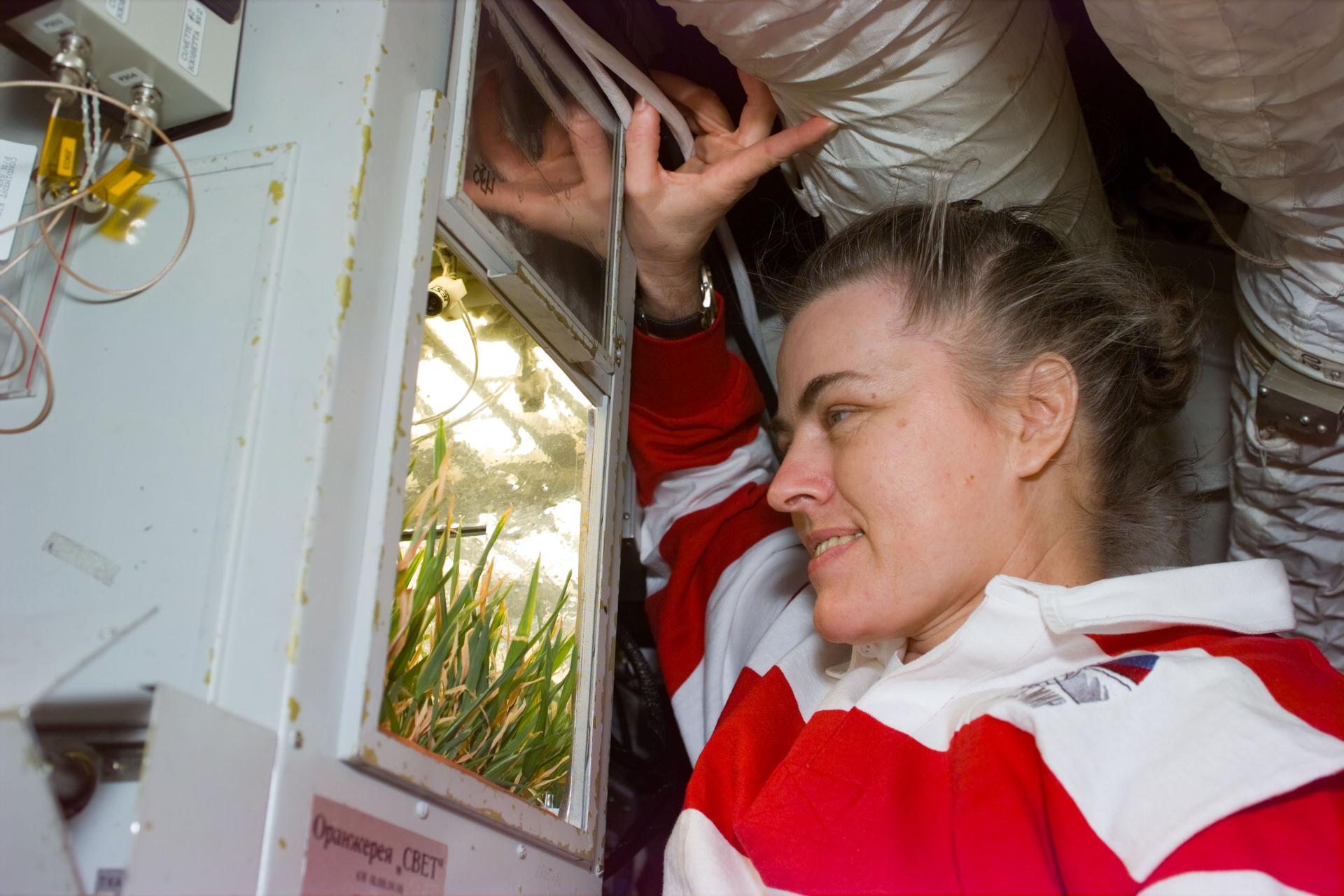
Astronaut Shannon W. Lucid spent six months living and working aboard the Russian space station Mir alongside two cosmonauts. Selected by NASA in 1978 as one of its first six female astronauts, Lucid became a pioneering figure in American spaceflight. During her mission, she conducted life science research and tended to wheat crops growing in the station's Svet greenhouse. Just three days before her return to Earth, she was still actively monitoring the plant experiments. Her extended stay set a record and highlighted the collaborative nature of U.S.-Russian space operations during that era.

0
SpaceNASA ·

NASA Warns of Hazards in Hydrazine Systems After Freeze-Thaw Cycles

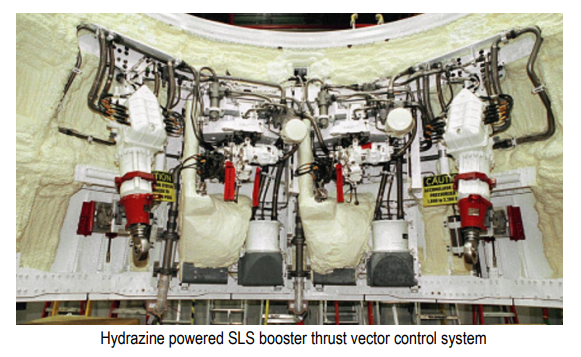
NASA's Langley Research Center has issued a Technical Bulletin addressing safety risks linked to freeze-thaw cycles in hydrazine monopropellant systems. The bulletin, authored by Jonathan E. Jones, outlines how repeated freezing and thawing can compromise system reliability and create operational hazards. Hydrazine is a toxic propellant widely used in spacecraft propulsion and auxiliary systems, making proper handling critical. The document provides general recommendations aimed at reducing damage and mitigating risks associated with such temperature-induced stress. The bulletin is available as a downloadable PDF for engineers and mission teams working with these systems.