SShortSingh.
Back to feed

James Webb Telescope Locates Host Galaxy of Most Distant Fast Radio Burst

0
·3 views
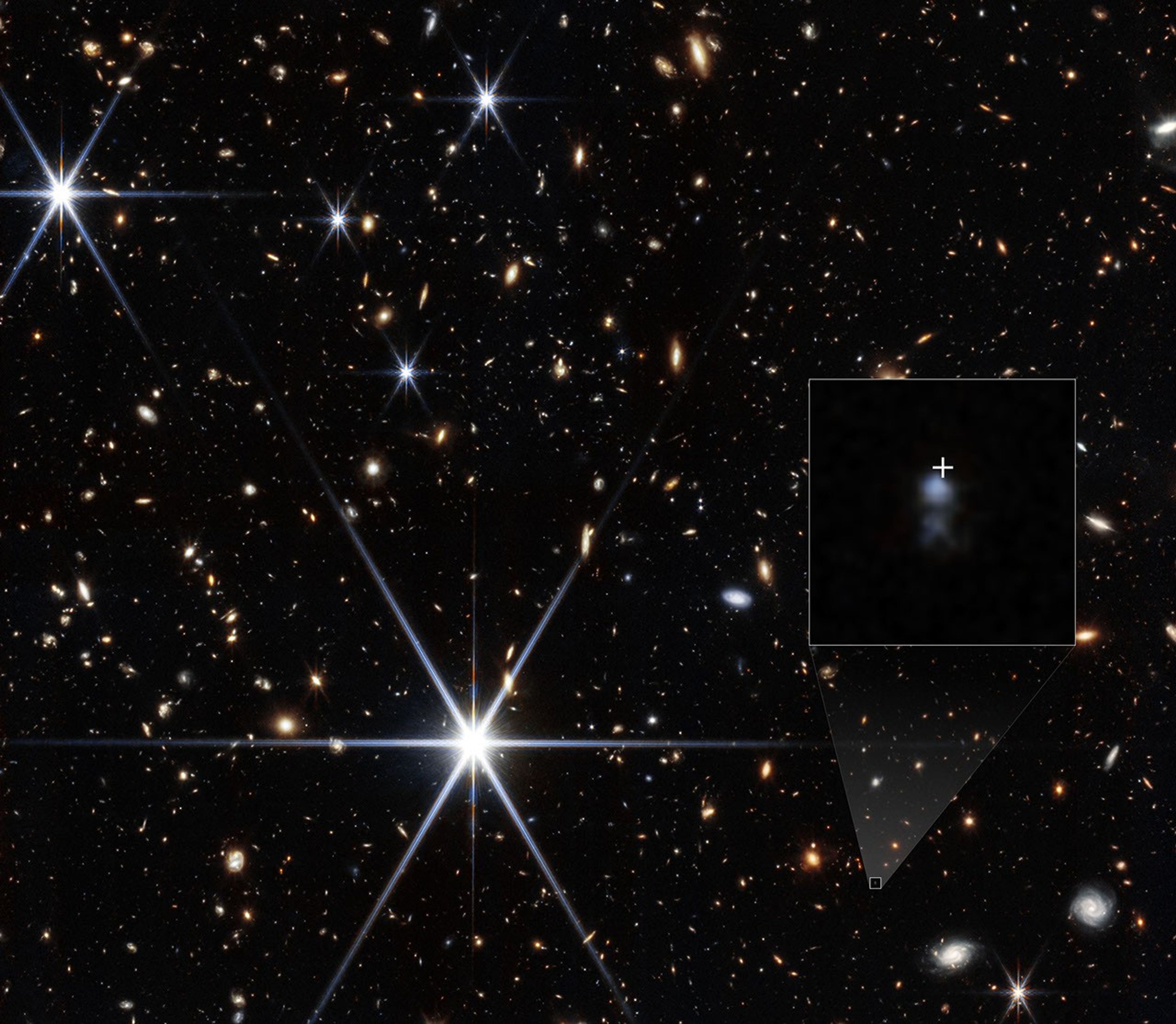
Astronomers using NASA's James Webb Space Telescope have identified the host galaxy of the most distant fast radio burst ever observed. Fast radio bursts are brief, intense pulses of radio waves from deep space, first discovered in 2007. Their origins remain largely mysterious, as most are one-time events that cannot be re-studied. This new measurement provides crucial data for understanding where these powerful cosmic signals come from.

Read the full story at NASA

This is an AI-generated summary. ShortSingh links to the original source for the complete article.
Discussion (0)

Log in to join the discussion and vote.

Log in

Related stories

0
SpaceNASA ·

NASA to detail its role in upcoming Japanese mission to Mars's moons

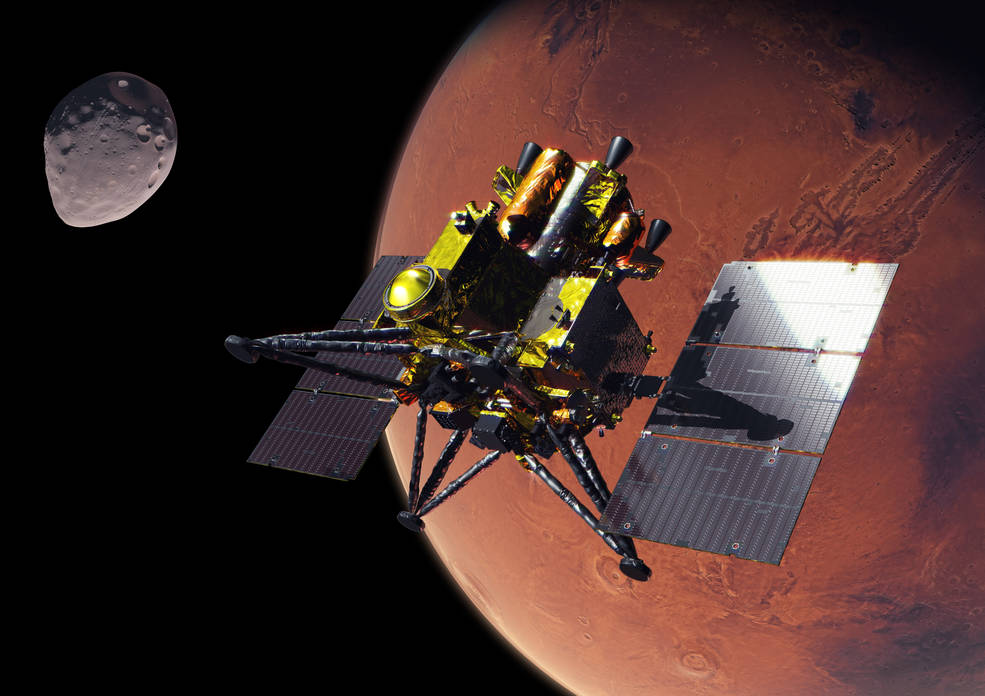
NASA will hold a media teleconference on October 15 to discuss its contributions to a Japanese mission to explore the moons of Mars. The mission, called Martian Moons eXploration (MMX), is led by Japan's space agency, JAXA. It is scheduled to launch from JAXA's Tanegashima Space Center in Japan on October 19. The briefing will allow media to learn about NASA's specific role in this international space endeavor.

0
SpaceNASA ·

NASA's SSPICY mission demonstrates in-space satellite inspection technology

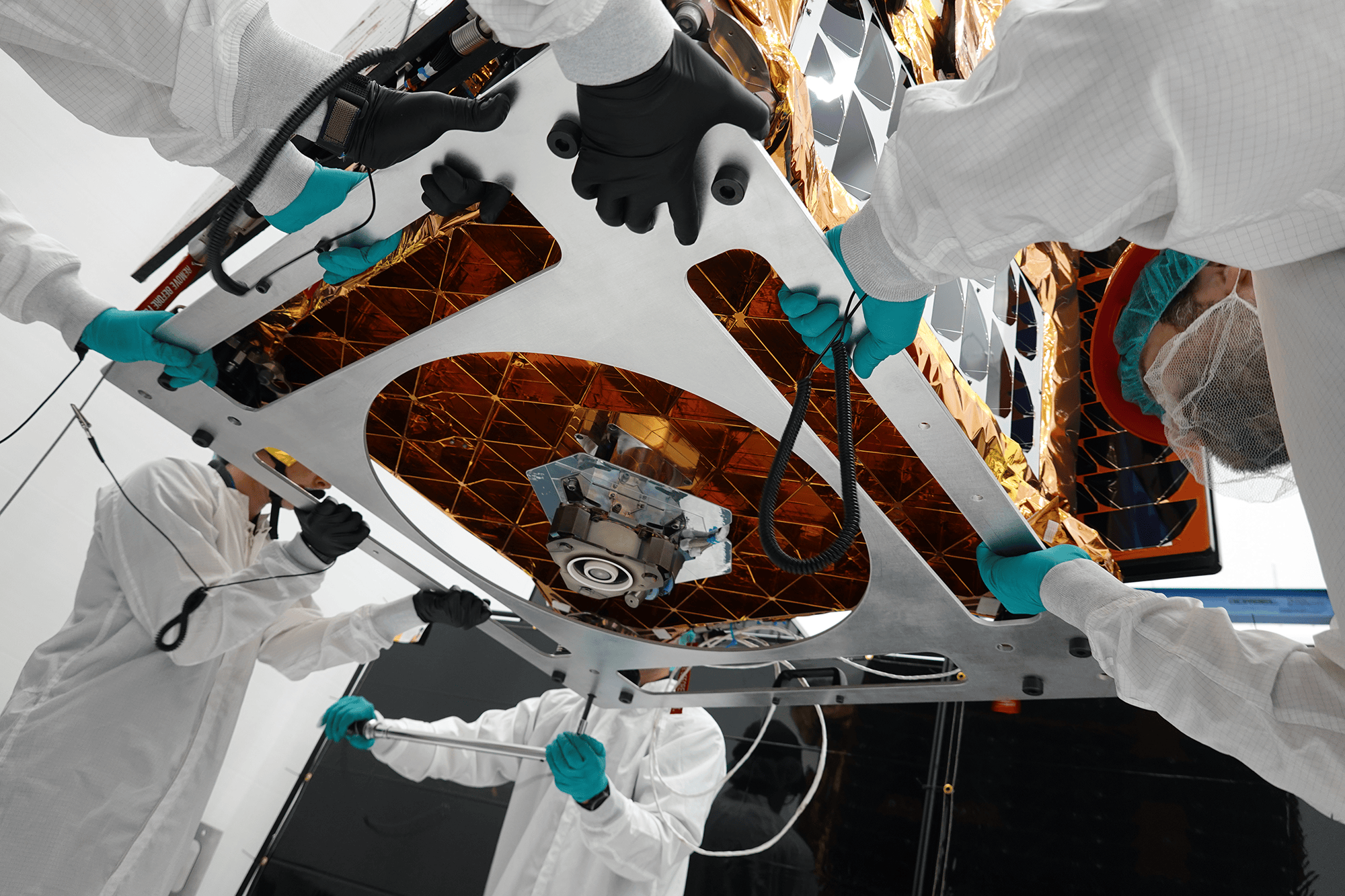
NASA launched the Small Spacecraft Propulsion and Inspection Capability mission on October 1. The spacecraft departed from Vandenberg Space Force Base in California. Its objective is to closely approach satellites that are no longer operational. This technology demonstration aims to test systems for future orbital repairs. These capabilities could ultimately help reduce space debris.

0
SpaceNASA ·

SpaceX Crew-12 returns to Earth after successful mission

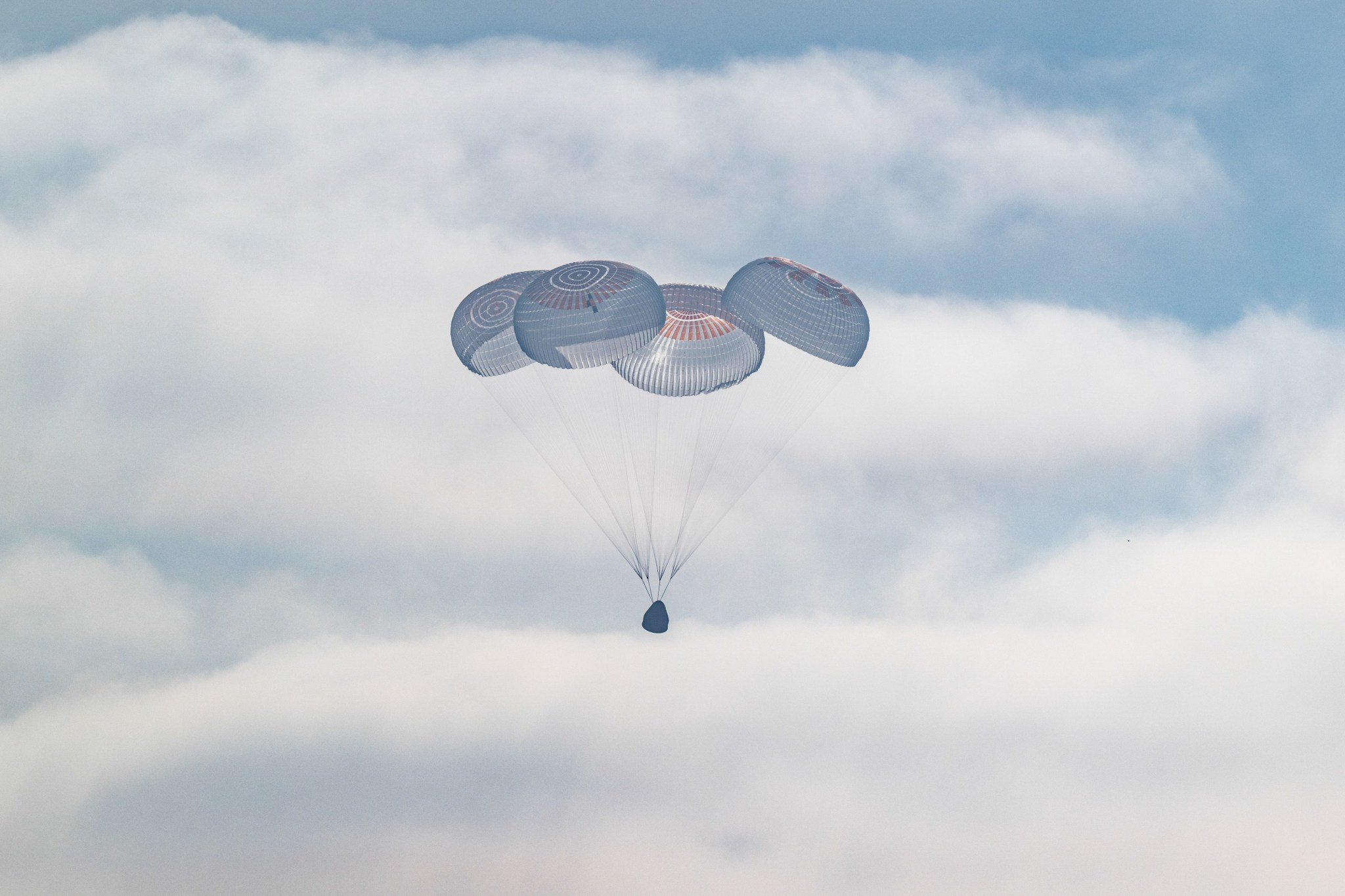
The SpaceX Crew Dragon Freedom spacecraft splashed down in the Pacific Ocean off California on October 8, 2026. The Crew-12 mission carried four astronauts: NASA's Jessica Meir and Jack Hathaway, ESA's Sophie Adenot, and Roscosmos's Andrey Fedyaev. The crew had completed a multi-month mission aboard the International Space Station. Their safe return concludes another routine rotation flight for NASA's Commercial Crew Program.