SShortSingh.
Back to feed

India's Solar Expansion Heavily Dependent on Chinese Supply Chain
0
·1 views

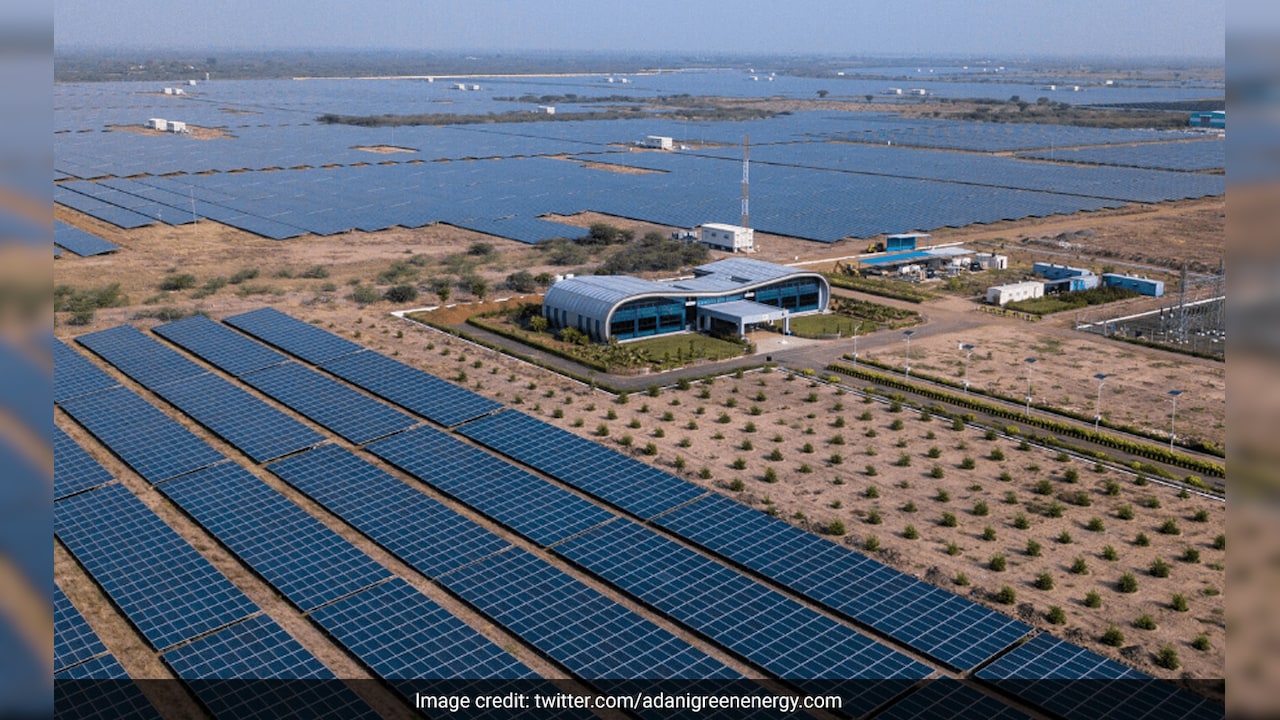
India has set an ambitious target of 500 GW of non-fossil fuel energy capacity by 2030, with solar power at the center of this plan. However, the country's solar infrastructure — spanning panels, parks, and rooftop installations — relies critically on a single supply chain that originates across a contested border with China. This deep dependence on Chinese imports poses a significant strategic and logistical vulnerability to India's clean energy ambitions. Any disruption to this supply line, whether due to geopolitical tensions or trade restrictions, could jeopardize the country's renewable energy targets. The situation raises urgent questions about India's ability to achieve energy independence while remaining reliant on a rival nation for key solar components.

Read the full story at NDTV

This is an AI-generated summary. ShortSingh links to the original source for the complete article.


Discussion (0)

Log in to join the discussion and vote.

Log in

Related stories

0
IndiaTimes of India ·

Moody's says India can absorb fiscal deficit overshoot amid US-Iran tensions

Credit rating agency Moody's has expressed confidence that India can withstand a breach of its fiscal deficit target even as geopolitical tensions between the US and Iran escalate. Moody's currently holds India at a Baa3 rating, the lowest rung of investment-grade status, with a stable outlook. The agency's analyst de Guzman noted that the rating reflects India's steady fiscal consolidation efforts since the Covid-19 pandemic. The stable outlook suggests Moody's does not foresee an immediate downgrade despite potential fiscal pressures arising from global uncertainties.

0
IndiaTimes of India ·

PFC and REC Approve Merger to Create Rs 11 Lakh Crore Power Finance Giant

State-owned Power Finance Corporation (PFC) and REC Ltd have approved a merger that will combine their lending portfolios into a single entity with over Rs 11 lakh crore in loans. The deal sets a share swap ratio under which REC shareholders will receive 88 PFC shares for every 100 REC shares they hold. The consolidation is intended to strengthen the combined balance sheet and improve operational efficiency in the power financing sector. The merger also aims to support India's broader energy transition and infrastructure development goals. The deal remains subject to regulatory approvals before it can be formally completed.

India's Solar Expansion Heavily Dependent on Chinese Supply Chain · ShortSingh