SShortSingh.
Back to feed

India's Revised CAFE Norms Offer Incentives for Ethanol-Powered Vehicles
0
·1 views

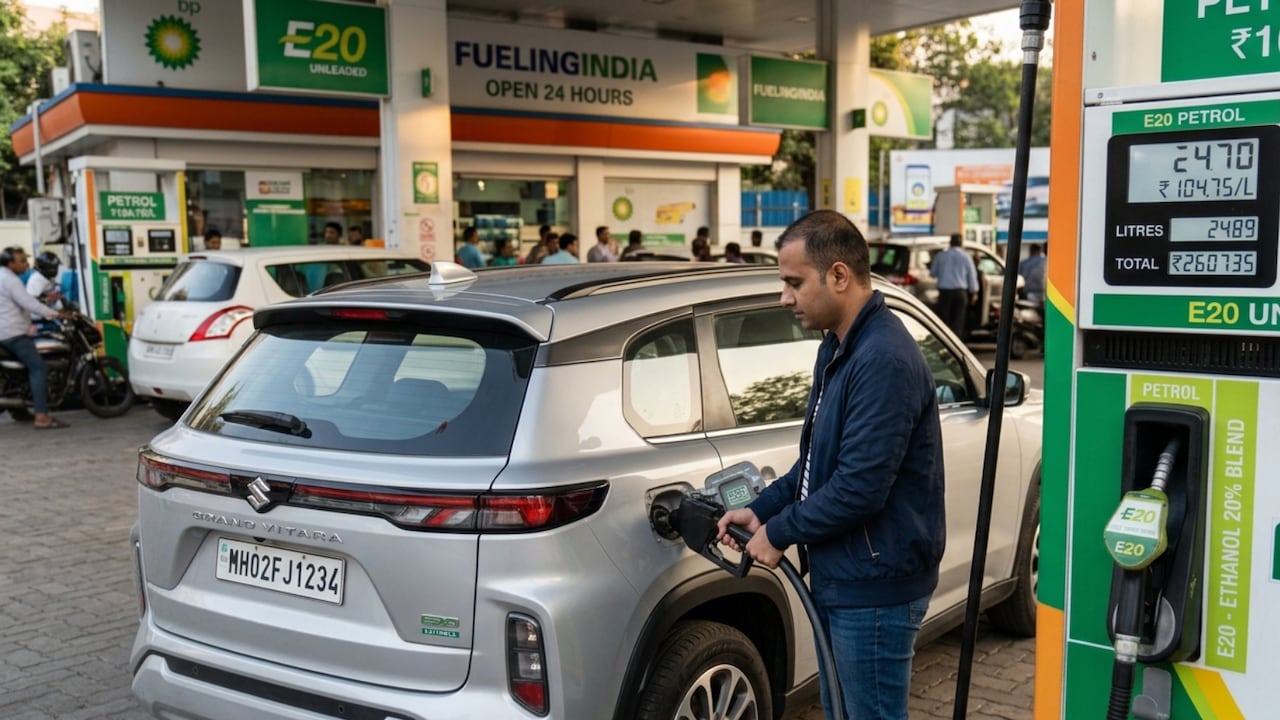
India has updated its Corporate Average Fuel Efficiency (CAFE) norms, which set fuel economy targets for automakers as a fleet average rather than for individual car models. The revised rules give a regulatory advantage to vehicles running on ethanol-based fuels, making them more attractive for manufacturers to produce. For carmakers, selling more ethanol-powered vehicles helps meet their overall fleet efficiency targets more easily. This shift could encourage automakers to expand their ethanol-vehicle lineup and potentially offer such cars at more competitive prices. Buyers may benefit from a wider selection of ethanol-compatible vehicles as manufacturers respond to the updated compliance framework.

Read the full story at NDTV

This is an AI-generated summary. ShortSingh links to the original source for the complete article.

Discussion (0)

Log in to join the discussion and vote.

Log in

Related stories

0
IndiaTimes of India ·

Property sale does not void tenant rights or rental agreements in India

In India, a tenant's rental agreement remains legally valid even after the property is sold to a new owner. The incoming landlord is obligated to honour the terms established under the original rental contract. Any increase in rent is permissible only if an escalation clause was already included in the agreement. Tenants who continue paying rent to the previous landlord after a sale still retain legal protection. Additionally, tenants' rights to reclaim their security deposit are preserved irrespective of the change in ownership.

0
IndiaTimes of India ·

Maruti Suzuki to appeal court order mandating Grand Vitara replacement over E20 dispute

Maruti Suzuki has decided to challenge a consumer court ruling that directed the company to replace a Grand Vitara Strong Hybrid with a new E20-compatible vehicle. The case arose after the customer experienced repeated technical problems following the wider availability of E20 petrol in the market. Maruti Suzuki contests the court's findings, maintaining that the vehicle in question was already compatible with E20 fuel. The automaker attributes the issues to fuel contamination rather than any fault with the car itself. The company intends to file an appeal against the order before a higher judicial forum.

India's Revised CAFE Norms Offer Incentives for Ethanol-Powered Vehicles · ShortSingh