SShortSingh.
Back to feed

India Aims to Triple Waterway Freight Share to 5% by 2030
0
·1 views

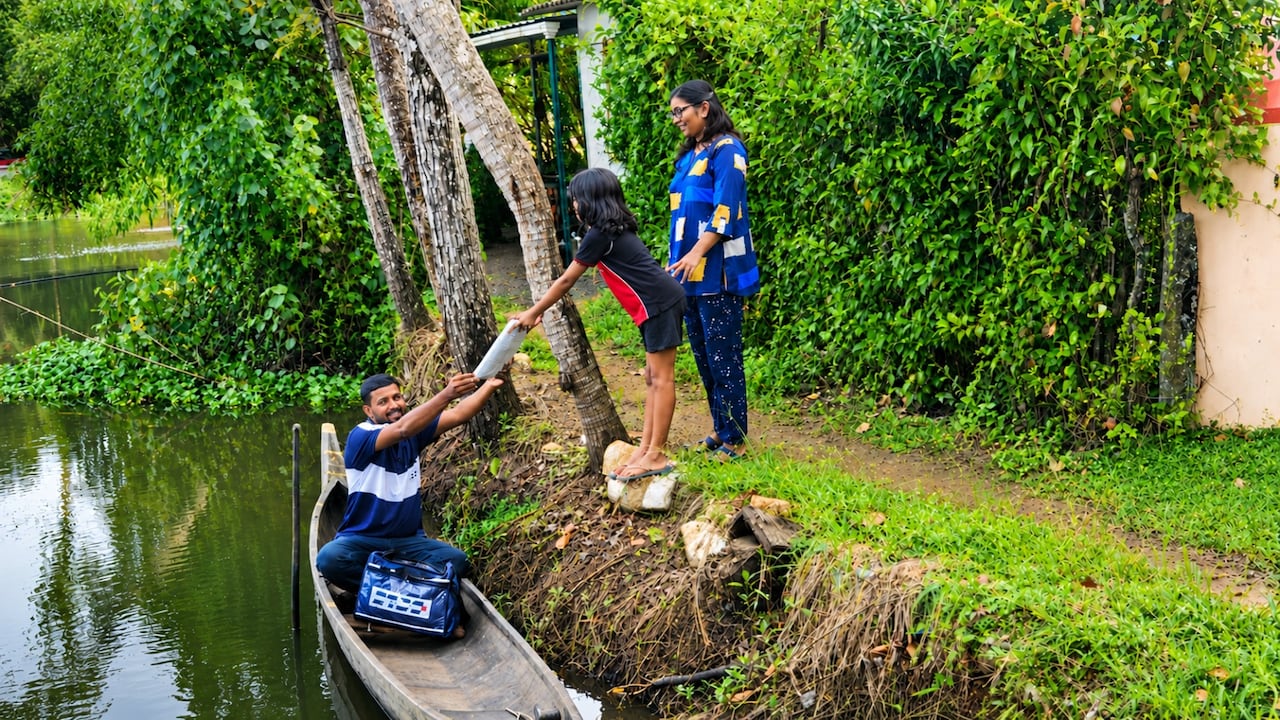
India currently moves only about 2% of its freight through inland waterways, a figure the central government is targeting to raise to 5% by 2030. The government is banking on two key initiatives — PM Gati Shakti and the Jalvahak scheme — to drive this shift. PM Gati Shakti focuses on integrated multimodal infrastructure planning, while Jalvahak is designed to incentivize cargo movement via inland waterways. Together, these schemes aim to address last-mile logistics challenges and reduce the burden on road and rail networks. Expanding waterway freight capacity could also lower logistics costs and improve supply chain efficiency across the country.

Read the full story at NDTV

This is an AI-generated summary. ShortSingh links to the original source for the complete article.
Discussion (0)

Log in to join the discussion and vote.

Log in

Related stories

0
IndiaTimes of India ·

Samsung India lays off 80-100 employees, further cuts likely post-Diwali

Samsung India has laid off between 80 and 100 employees in a recent round of job cuts. The affected staff include director-level officials and team leads at the company's headquarters. Branch managers and area managers operating across regional offices have also been let go. Company executives indicate that additional layoffs are expected to follow after the Diwali festival season.

0
IndiaTimes of India ·

Punjab man who questioned minister over drug menace dies after consuming poison

A man from Punjab died after consuming poison, days after he publicly questioned Finance Minister Harpal Singh Cheema about the supply of synthetic drugs in the region. His family alleges that local leaders pressured him to apologize for raising the issue publicly. Police have registered a case and arrested four individuals in connection with the incident. Opposition leaders have demanded that an FIR be filed against the minister himself.

India Aims to Triple Waterway Freight Share to 5% by 2030 · ShortSingh