SShortSingh.
Back to feed

IIT Bombay Replaces Ceiling Fans With Wall-Mounted Units After Student Suicide

0
·1 views

IIT Bombay has decided to replace ceiling fans with wall-mounted ones across its campus facilities. The move comes in the wake of a recent student suicide, which has heightened sensitivity around mental health and campus safety. The institute has officially described the change as part of an ongoing renovation project. However, images of the fan replacement have drawn significant public attention given the timing and context. The development has sparked wider discussion about preventive safety measures at Indian educational institutions.

Read the full story at NDTV

This is an AI-generated summary. ShortSingh links to the original source for the complete article.

Discussion (0)

Log in to join the discussion and vote.

Log in

Related stories

0
IndiaNDTV ·

India Mandates Veg/Non-Veg Labels on Soaps, Shampoos and Toothpaste

India has introduced new rules requiring everyday personal care products such as soaps, shampoos, and toothpaste to carry vegetarian or non-vegetarian origin markings. The regulation makes it mandatory for manufacturers to clearly indicate whether their product ingredients are derived from plant or animal sources. This move aims to help consumers, particularly those with dietary or religious preferences, make informed purchasing decisions. The labelling requirement extends beyond food items to include commonly used hygiene and personal care products.

0
IndiaNDTV ·

BJP Telangana Chief Detained While Heading to Farmer Protest Site

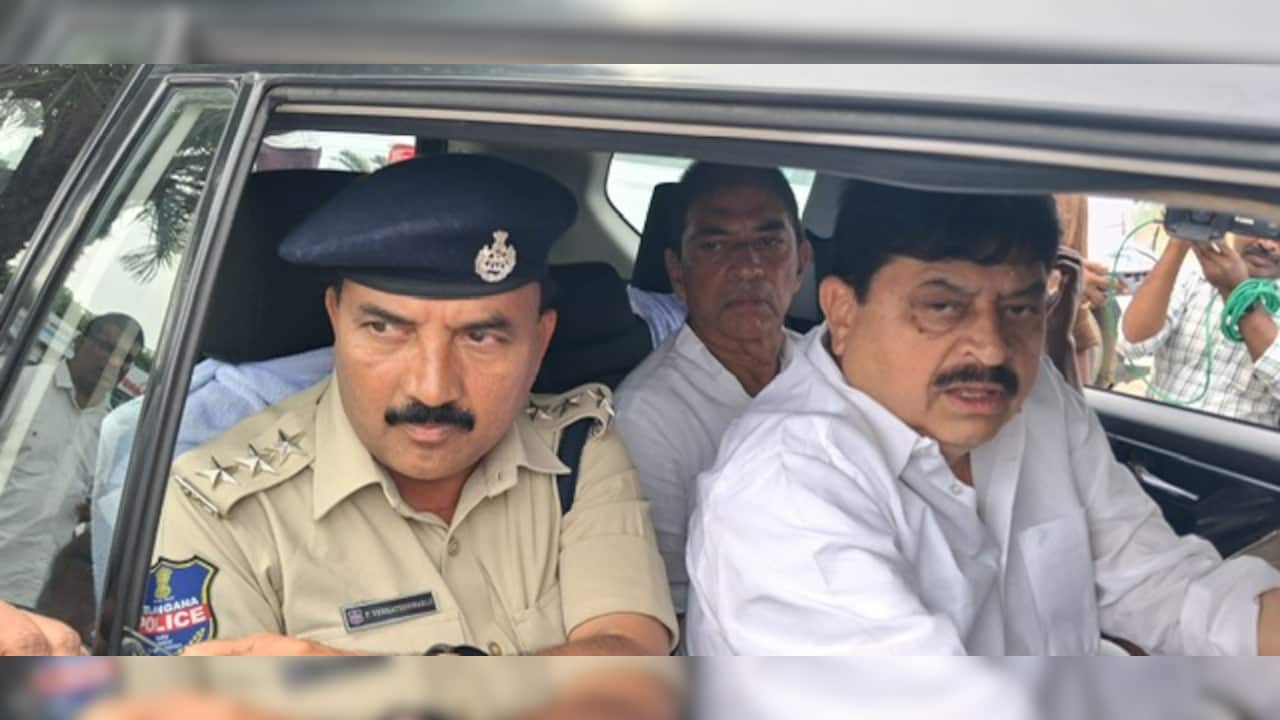
BJP's Telangana unit chief N Ramchander Rao was detained by police while attempting to reach Jurala to meet protesting farmers. According to the BJP, authorities intercepted and took him into custody before he could proceed to the protest location. The detention highlights tensions between the ruling establishment and opposition leaders seeking to engage with agrarian demonstrations. The BJP has raised concerns over the police action, framing it as an attempt to prevent political leaders from meeting aggrieved farmers.