SShortSingh.
Back to feed

How the US Lost Its Rare Earth Dominance to China
0
·2 views

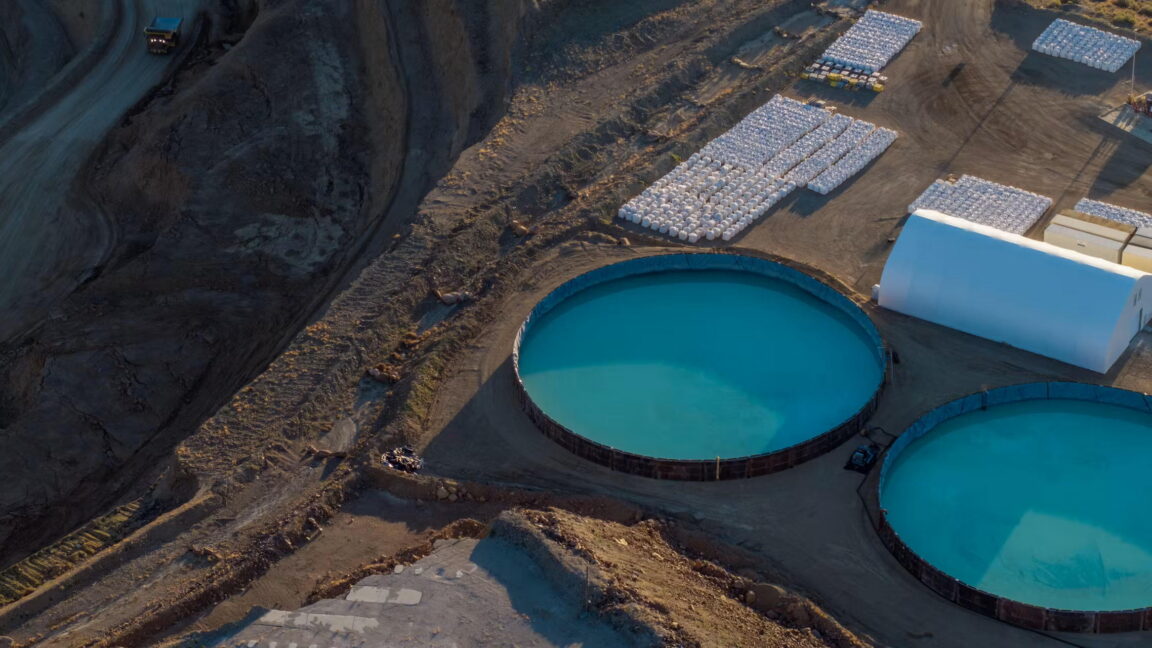
The United States once held a strong position in rare earth mining and processing but gradually ceded that advantage over several decades. Cheaper imports, largely from China, made domestic production economically unviable, leading American companies to scale back or shut down operations. China strategically expanded its rare earth industry during this period, eventually gaining near-total control over global processing capacity. Rare earth elements are critical inputs for defense systems, electric vehicles, and consumer electronics, making this dependency a significant strategic concern. The US now faces the difficult challenge of rebuilding a domestic rare earth supply chain after years of neglect.

Read the full story at Ars Technica

This is an AI-generated summary. ShortSingh links to the original source for the complete article.

Discussion (0)

Log in to join the discussion and vote.

Log in

Related stories

0
TechnologyThe Verge ·

Metroid Prime Remastered drops to $27.99 in Nintendo's Customer Appreciation Sale

Nintendo's Customer Appreciation Sale, running through September 26th, includes a 30 percent discount on Metroid Prime Remastered for Switch and Switch 2. The digital version is now available for $27.99 at Amazon, Best Buy, and Walmart, down from its regular price of $39.99. Originally a 2002 GameCube title, the remaster features updated textures, improved lighting, and a smooth frame rate without requiring motion controls. The sale also covers other Switch games and accessories across major retailers.

0
TechnologyThe Verge ·

Una Watch: A $199 open-source, modular GPS sports watch launches at half its Kickstarter price

The Una Watch is a GPS sports watch now priced at $199, reduced from its original Kickstarter price of $350. It features a 1.2-inch MIP LCD display, up to 10 days of battery life, and a modular, repairable design. Like Pebble's recently revived watches, the Una Watch is fully open-source, with its SDK, housing, and circuit boards all publicly available. It distinguishes itself by offering more built-in fitness features than Pebble's current lineup. Una is also encouraging users to develop their own apps for the device.

0
TechnologyTechCrunch ·

Eight Sleep launches Pod 6 sleep system in new sizes, priced from $1,999

Eight Sleep has unveiled its latest smart bed product, the Pod 6, which is now available in smaller and solo size options. The new model starts at $1,999, making it accessible to a broader range of sleepers including those who sleep alone. Eight Sleep claims the Pod 6 is 20% faster than its predecessor in terms of performance. The updated pod continues the company's focus on temperature-regulating sleep technology.

0
TechnologyTechCrunch ·

YouTube Adds AI-Powered Idea Generation and Thumbnail Analytics to Studio

YouTube has announced new artificial intelligence features for its Studio app aimed at supporting content creators. The update includes a tool to help creators generate video ideas using AI. Additionally, the platform is introducing functionality to monitor and analyze the performance of video thumbnails. These features are designed to help creators optimize their content strategy directly within the Studio environment.