How Taiwan’s ‘silicon shield’ has kept it safe from China, indispensable to US
0
·2 viewsRead the full story at Times of India
This is an AI-generated summary. ShortSingh links to the original source for the complete article.
This is an AI-generated summary. ShortSingh links to the original source for the complete article.
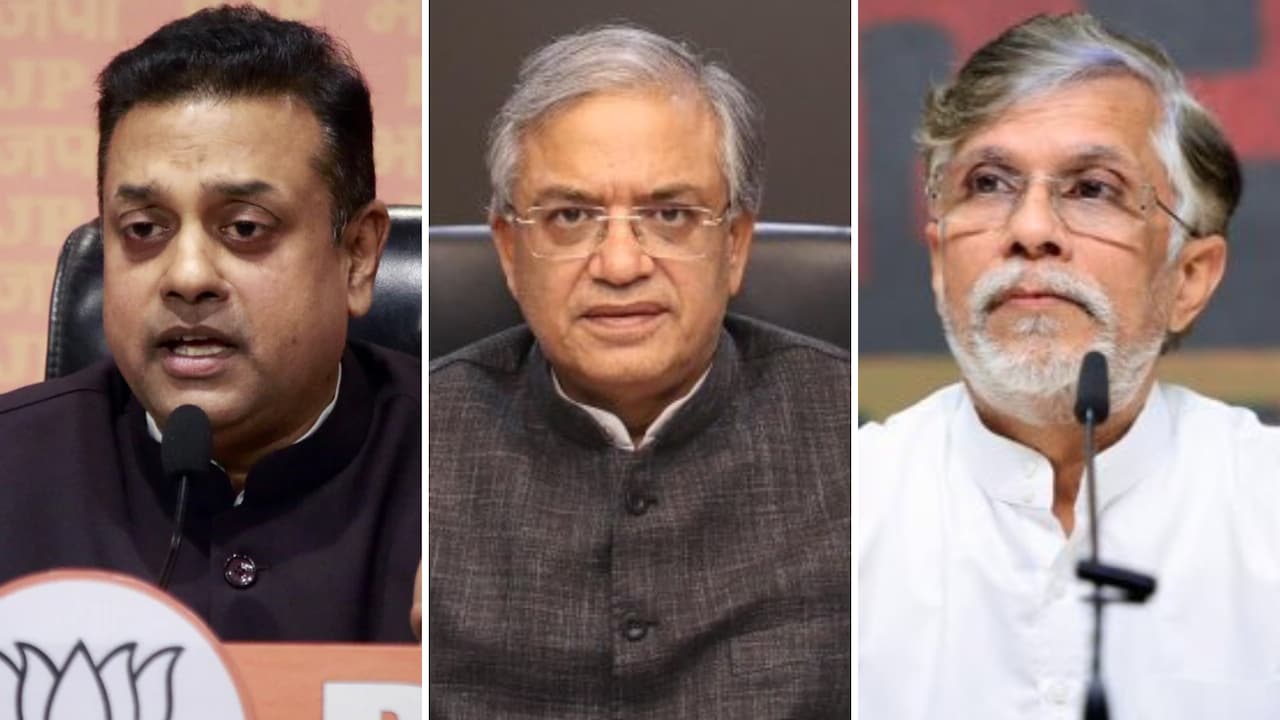
The Election Commission of India issued a clarificatory note addressing a controversy over voter data, which has drawn sharply divided reactions from political parties. BJP ally TDP's Chandrababu Naidu welcomed the note, describing it as a unanimous clarification that dispels all misconceptions surrounding the issue. The TDP had previously called on the EC to address the matter, and now considers the note a satisfactory resolution. However, the Congress party has not accepted the explanation, instead releasing a list of questions it says remain unanswered by the commission's statement. The dispute highlights ongoing political tensions over electoral data transparency ahead of upcoming elections.
The parents of Sahil Wakode have released a video message directed at students of IIT Bombay, urging them to help uncover the truth surrounding their son's case. Sahil's father revealed that he had attempted to visit the IIT Bombay campus two or three times but was denied entry on each occasion. The family appears to be facing obstacles in accessing information or people connected to the matter. Through the video, the parents are seeking solidarity and assistance from the student community to bring facts to light.

In 1963, Heineken produced 50,000 specially designed rectangular beer bottles intended to double as building bricks after use. The bottles, known as WOBOs, were conceived to tackle two problems simultaneously: reducing bottle waste and addressing a shortage of affordable building materials. A small structure was successfully built using the prototype bottles in 1965, demonstrating the concept's feasibility. However, the project never reached commercial scale due to high production costs, design limitations, and consumers' preference for conventional bottle shapes.
Discussion (0)
Log in to join the discussion and vote.
Log in