SShortSingh.
Back to feed

Historic American Artifacts That Have Traveled to Space

0
·34 views
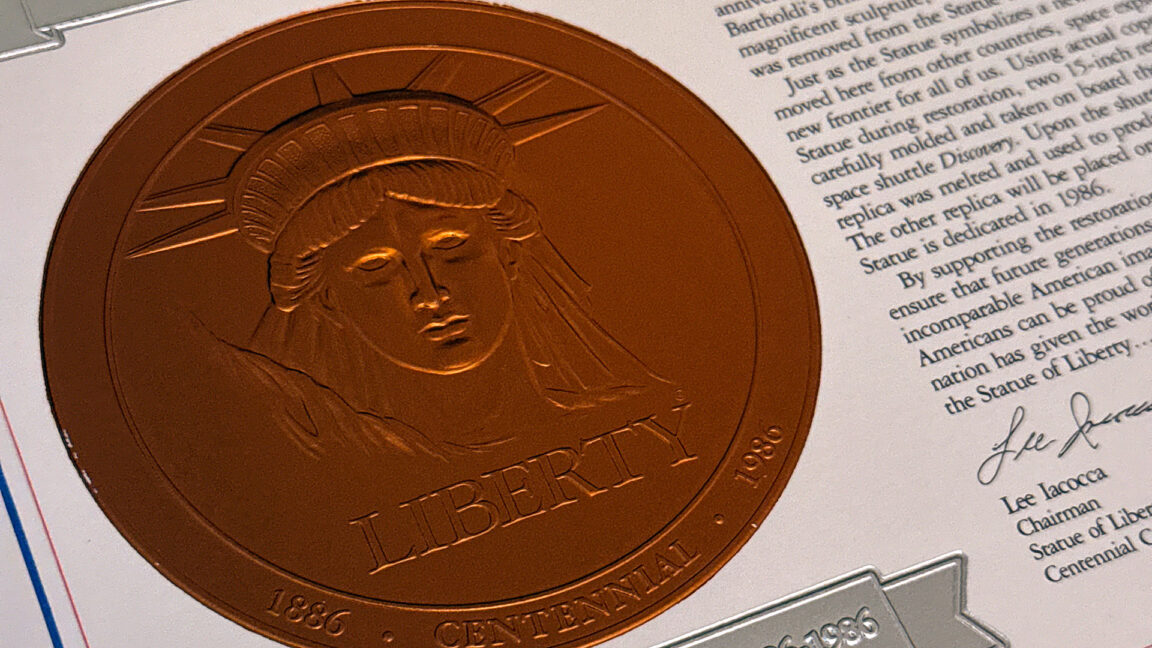
Various pieces of American history have made their way into space over the decades, ranging from Revolutionary War-era flags to replicas of iconic national monuments. NASA and astronauts have carried symbolic items aboard missions as a tradition of honoring American heritage. These artifacts represent a broad timeline of U.S. history, with some dating back to the founding era of the nation. The practice highlights the cultural and patriotic significance that space agencies attach to their missions beyond purely scientific objectives.

Read the full story at Ars Technica

This is an AI-generated summary. ShortSingh links to the original source for the complete article.

Discussion (0)

Log in to join the discussion and vote.

Log in

Related stories

0
TechnologyNYT Technology ·

Fired OpenAI Engineer Charged With Planting Bug Had Advised Saudi Agencies

A former OpenAI engineer, who has been fired, faces charges related to planting a bug. He had said he advised government agencies in Saudi Arabia. He was also listed as a partner at a venture firm that has ties to a Saudi prince. The article's details do not specify the exact timing of these events or the full nature of the alleged bug. The report relies on his own statements and published listings about his roles.

0
TechnologyBBC Tech ·

Anthropic's revenue reportedly surges to $16.8bn ahead of expected stock market debut

AI company Anthropic has reportedly seen its revenue climb to $16.8 billion. The surge comes as the firm is expected to make a major stock market debut before the end of the year. The article provides limited detail beyond this, so further specifics on timing, financials, or listing terms remain unconfirmed. The report highlights growing investor interest in leading artificial intelligence companies.

0
TechnologyTechCrunch ·

Ricursive Intelligence Bets on AI-Designed Chips to Ease Compute Shortage

Ricursive Intelligence, a startup, is developing artificial intelligence capable of designing computer chips. The system learns from each design iteration and uses those lessons to improve later designs. The company's stated goal is to automate and speed up the chip design process. Its founders have presented the work as a response to the growing compute crisis. The article provides few further details beyond this description.