‘High-powered committee to probe alleged Delhi Police excesses’: SC on Jantar Mantar protests
0
·1 viewsRead the full story at Times of India
This is an AI-generated summary. ShortSingh links to the original source for the complete article.
This is an AI-generated summary. ShortSingh links to the original source for the complete article.
In 1867, New Zealand released house sparrows with the intention of using them to control crop-damaging insects. The birds multiplied rapidly and soon became an agricultural threat themselves, feeding on grains, fruits, and crops such as wheat, barley, and maize. Authorities responded with organised culling measures, including poisoned grain, shooting, and bounty schemes for eggs and heads. The episode was part of a broader 19th-century effort to introduce European bird species for both farming utility and cultural familiarity.
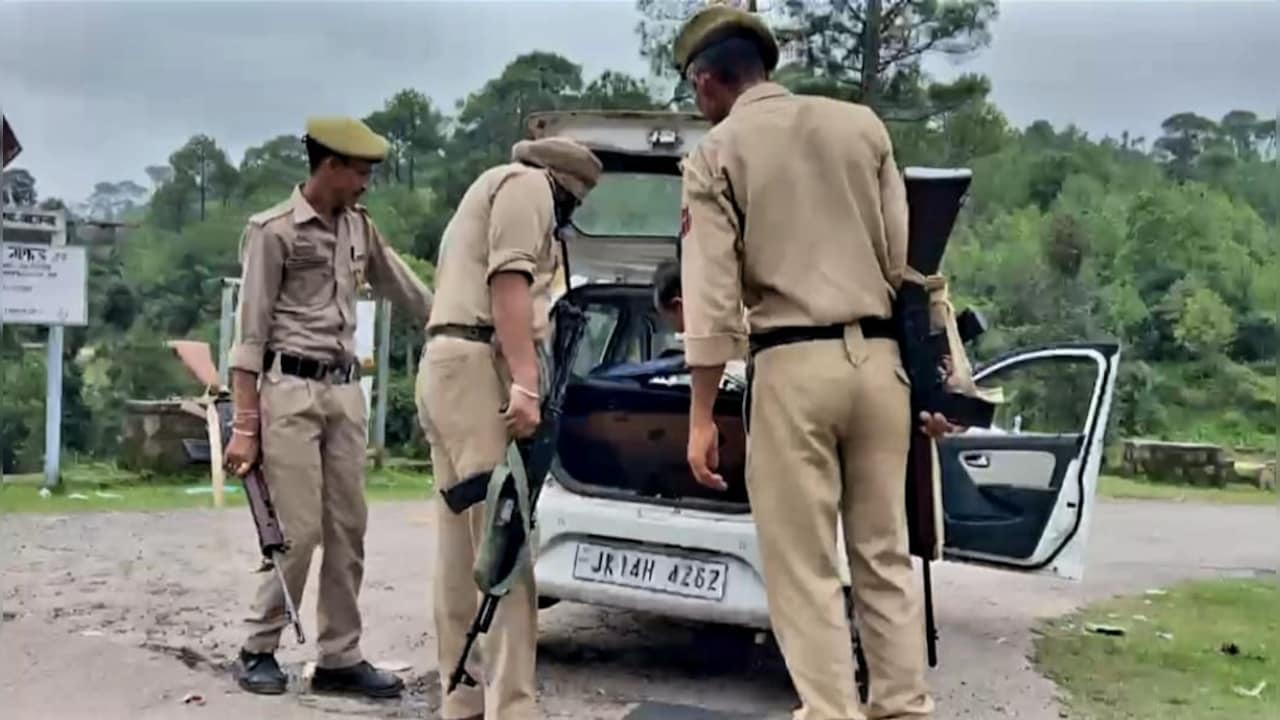
Two unidentified men asking for food at midnight triggered a major security alert across three districts in Jammu. Security personnel swiftly cordoned off the area in response to the suspicious incident. Overnight search operations were launched covering residential areas, agricultural fields, and nearby forest patches. The nature of the alert suggests authorities treated the late-night activity as a potential security threat in the region.
The Jharkhand government announced the cancellation of the JSSC-CGL recruitment exams on Monday night, prompting protests from around 2,000 candidates who had already cleared the process. The candidates fear losing their prospective government jobs as a result of the decision. Protesters called for a CBI investigation and sought a chance to counter allegations made against the recruitment process. The government justified the cancellation as a necessary step to restore public trust in the state's hiring system. Authorities indicated that fresh vacancies would be announced following reforms to ensure a fair selection process.
Discussion (0)
Log in to join the discussion and vote.
Log in