SShortSingh.
Back to feed

GRAP Stage III imposed across Delhi-NCR as several areas hit severe pollution before Diwali

0
·1 views

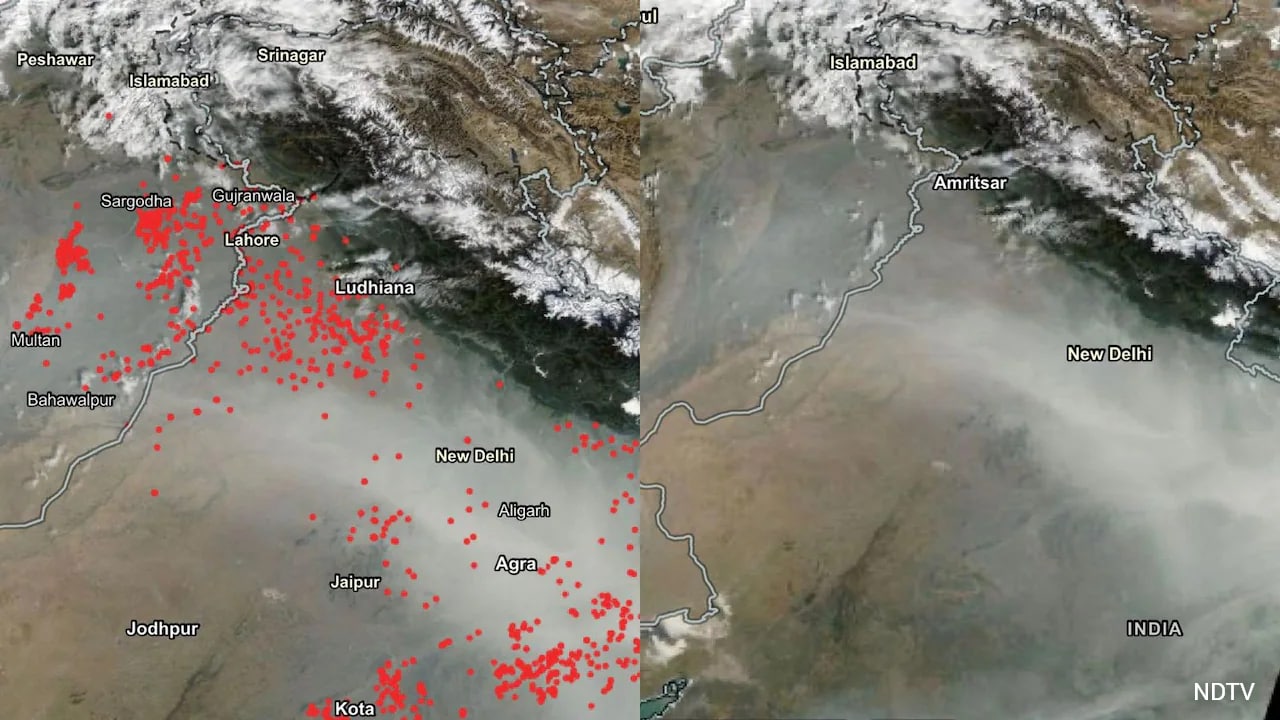
The Commission for Air Quality Management has enforced Stage III of the Graded Response Action Plan across Delhi-NCR because of worsening air pollution. Average Air Quality Index readings in several parts of Delhi reached hazardous levels on the day of the report. Municipal authorities responded by deploying water sprinklers to suppress dust near India Gate and other sites. The measures come amid a public dispute, as Delhi's environment minister accused Punjab Chief Minister Bhagwant Mann of giving misleading information about stubble burning.

Read the full story at Times of India

This is an AI-generated summary. ShortSingh links to the original source for the complete article.
Discussion (0)

Log in to join the discussion and vote.

Log in

Related stories

0
IndiaTimes of India ·

Vaibhav Sooryavanshi, 15, named Bihar captain for Syed Mushtaq Ali Trophy

Fifteen-year-old Vaibhav Sooryavanshi has been appointed captain of Bihar's senior cricket side. The Bihar Cricket Association announced a 17-player squad for the Syed Mushtaq Ali Trophy, with Suraj Kashyap named vice-captain. The team begins its campaign on November 14. The selection follows Sooryavanshi's notable showings in the Indian Premier League and in international T20 matches.

0
IndiaNDTV ·

CBSE Class 10 and 12 Board Exams to Start February 16; Date Sheets Released

The Central Board of Secondary Education has announced that its Class 10 and Class 12 board examinations will begin on February 16. The official date sheets for the exams have now been released. The board had earlier already published the schedule for practical examinations for both classes. Students are advised to check the CBSE website for the detailed timetable and related updates.

0
IndiaNDTV ·

Punjab Farmers Reportedly Time Field Burning to Avoid Satellite Detection

Farmers in Punjab have reportedly learned that satellites capture images only when they pass over a given area. Because of this, fields set on fire outside those observation windows can go undetected. The report draws a comparison to how Abdul Kalam's team avoided satellite surveillance during the Pokhran tests. The article's text, as provided, is brief and does not give further details on the scale or timing of such burning. The piece frames the practice as a way to evade monitoring of crop-residue fires.