SShortSingh.
Back to feed

Global arms trade's political influence raises strategic autonomy concerns

0
·1 views

Political considerations are increasingly shaping global arms sales, affecting national defense procurement strategies. Countries like India are seeking to maintain strategic autonomy while managing dependence on foreign military suppliers. The example of Turkey illustrates the potential risks of reliance on specific equipment providers. India's approach involves diversifying its sources of military hardware while boosting its domestic defense manufacturing. Ultimately, maintaining operational independence requires control over the maintenance and upgrading of complex weapon systems.

Read the full story at Times of India

This is an AI-generated summary. ShortSingh links to the original source for the complete article.
Discussion (0)

Log in to join the discussion and vote.

Log in

Related stories

0
IndiaTimes of India ·

UP's 10 Rajya Sabha seats filled unopposed; BJP secures 8, SP gets 2

All ten Rajya Sabha candidates from Uttar Pradesh were elected unopposed after the withdrawal of nominations deadline passed. The BJP secured eight seats, while the Samajwadi Party won the remaining two. The ruling BJP fielded an entirely new slate of candidates as part of a strategic political move. Samajwadi Party leader Akhilesh Yadav, commenting on the process, stated his party's focus remains on the upcoming state assembly elections for 403 seats.

0
IndiaIndian Express ·

Jammu and Kashmir Receives Ravi River Water After 44-Year Wait

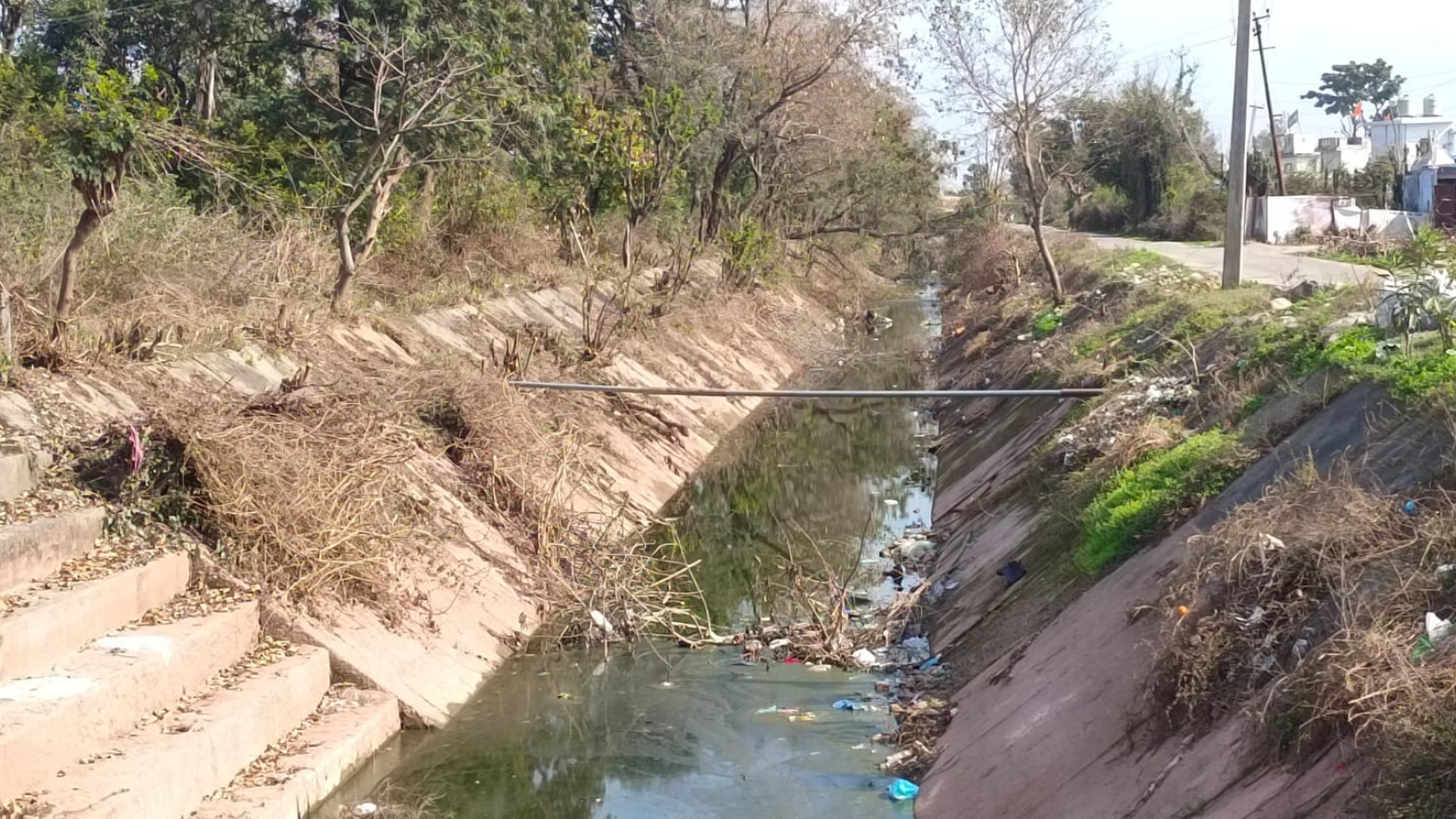
Jammu and Kashmir has begun receiving water from the Ravi River for irrigation after a 44-year delay. The supply follows the completion of the Shahpur Kandi barrage project on the Punjab-J&K border. However, the Ujh Canal, intended to carry the water, is now ageing and reportedly damaged. This infrastructure issue could hinder the water's effective distribution to farmers in the Kathua district.