SShortSingh.
Back to feed

Glaciers and Human Activity Shaped Seattle's Distinctive Landscape

0
·38 views
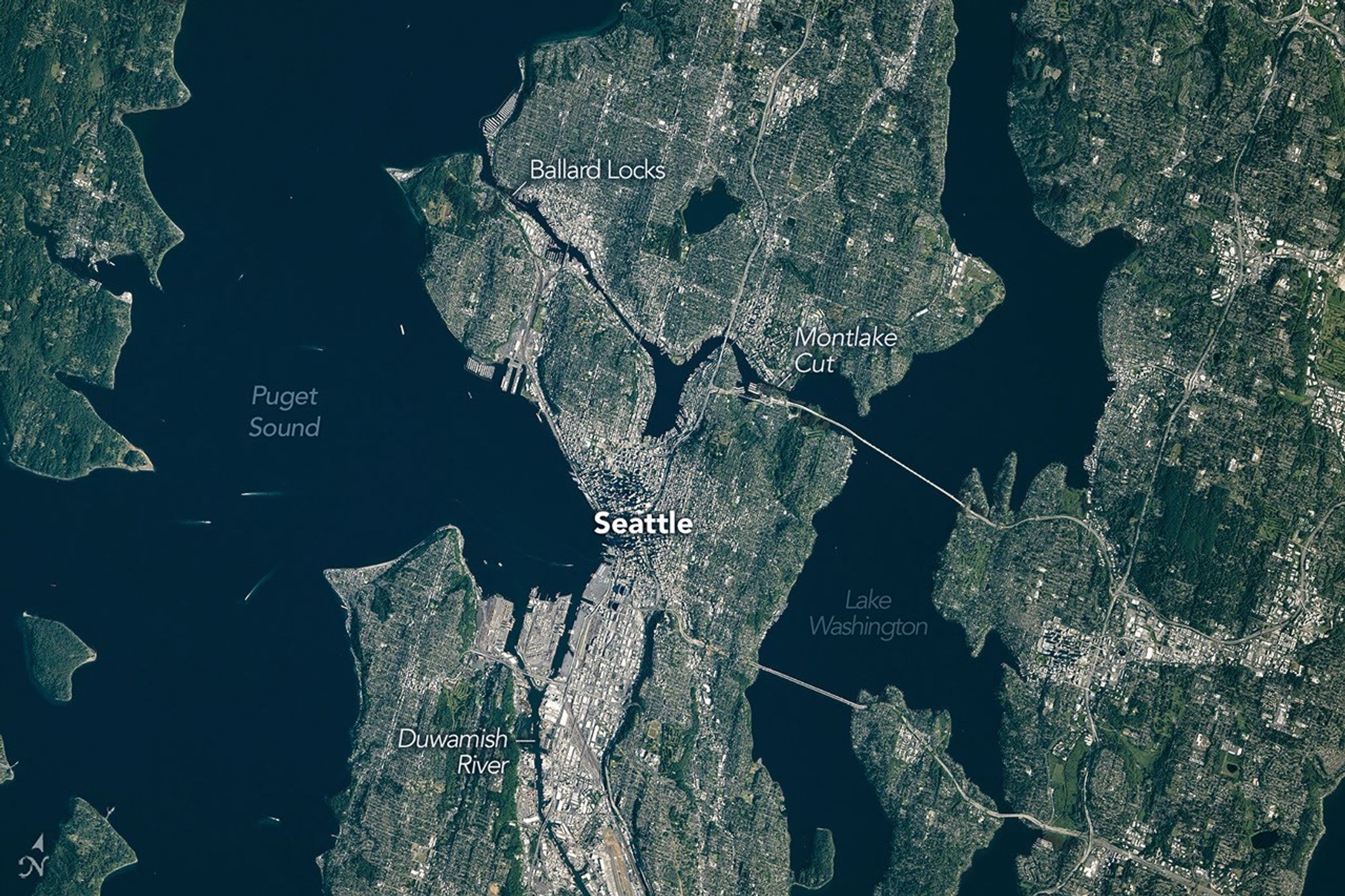
Seattle, Washington, features a terrain of hills and basins that has been formed over time by natural and human forces. Glacial activity played a primary role in carving out the city's characteristic topography. Beyond natural processes, human intervention has further modified the landscape over the years. NASA highlighted Seattle's unique geography, drawing attention to how both geological and man-made factors have defined the region's physical character.

Read the full story at NASA

This is an AI-generated summary. ShortSingh links to the original source for the complete article.
Discussion (0)

Log in to join the discussion and vote.

Log in

Related stories

0
SpaceNASA ·

Curiosity Rover Resumes Science Work After Labor Day Break on Mars Mission

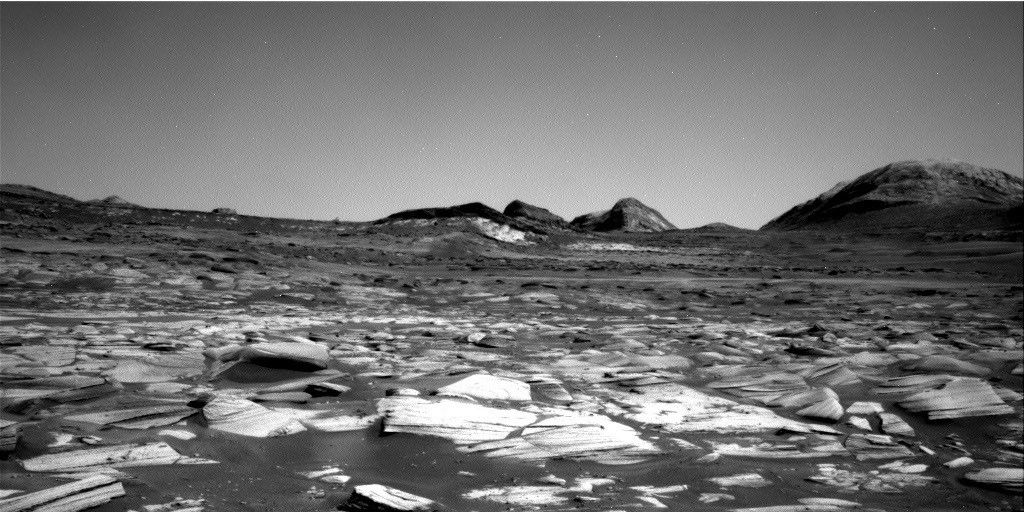
NASA's Curiosity rover team resumed operations this week following a brief pause due to Labor Day, a public holiday observed across North America on the first Monday of September. The planning team, which includes many members based in North America, conducted two planning sessions on Tuesday and Friday, September 11, 2026. The mission focus involved examining banded geological features on the Martian surface. Catherine O'Connell-Cooper, APXS Strategic Planner and Payload Uplink/Downlink Lead from the University of New Brunswick, Canada, reported on the week's activities. The rover continues its long-running scientific exploration, now surpassing sol 5010 of its mission on Mars.

0
SpaceNASA ·

NASA Working Group Reviews Decompression and Blood Clot Risks for Artemis Missions

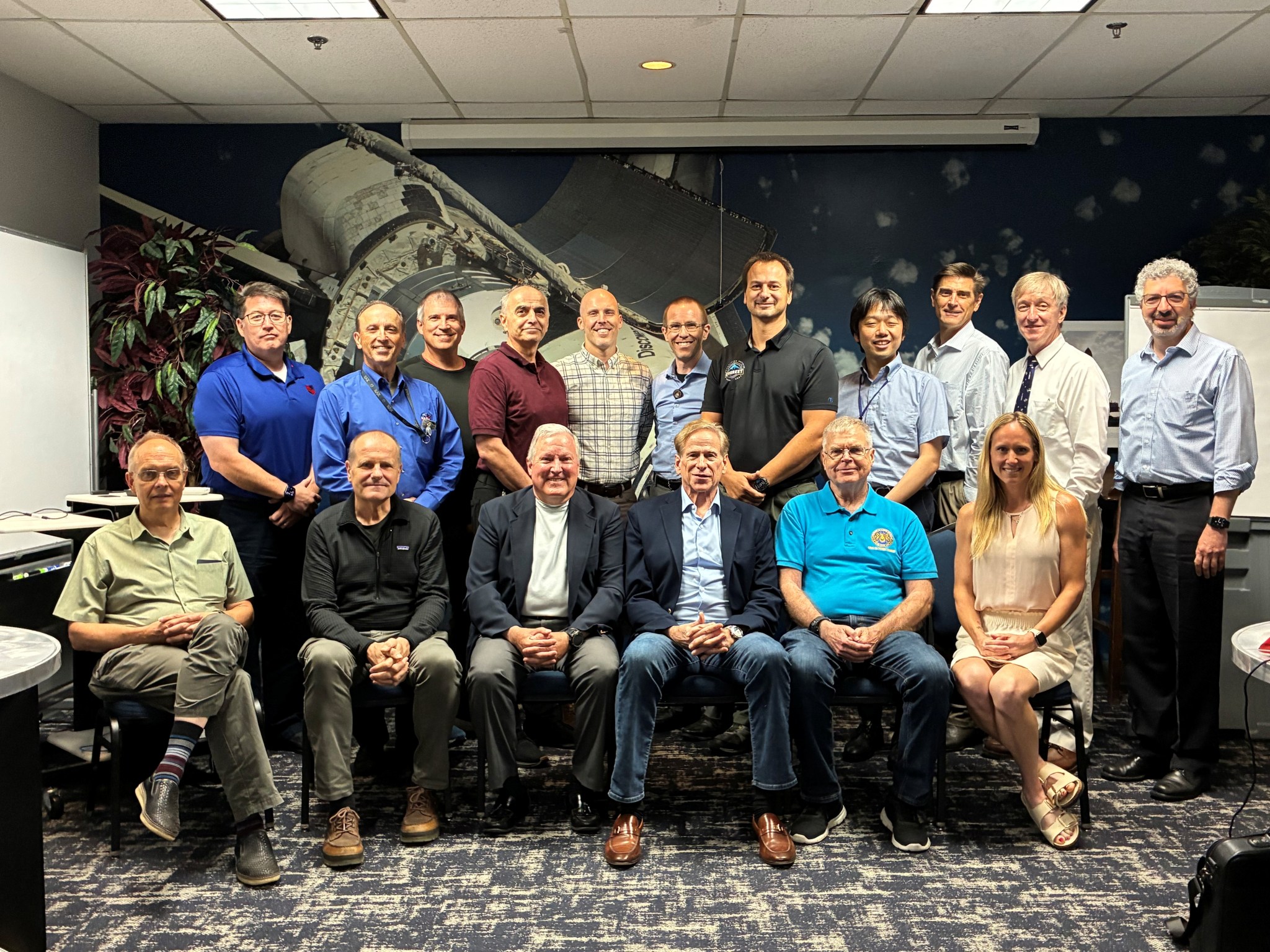
NASA's Office of the Chief Health and Medical Officer established a working group in August 2026 to assess health risks facing astronauts on Artemis lunar missions. The group reviewed data on decompression sickness linked to spacewalk prebreathe procedures, as well as in-flight cases of venous thromboembolism, or blood clots. Researchers also examined the implications of patent foramen ovale, a heart condition, in the context of these risks. The working group's recommendations build on findings from earlier OCHMO-led reviews, integrating previous outcomes into updated guidance for deep-space missions.

0
SpaceNASA ·

NASA-Funded Study Finds Complex Organism Surviving Extreme Heat in Volcanic Park

NASA-supported scientists have discovered a complex organism capable of surviving temperatures previously considered lethal for advanced life forms. High heat typically destroys critical cell components, posing a particular threat to organisms with nuclei that house sensitive genetic material. The organism was found thriving in the hot waters of Lassen Volcanic National Park in California. The discovery challenges existing scientific understanding of the thermal limits that complex, nucleus-bearing life can endure.

0
SpaceNASA ·

Chandra Observatory Spots Unusual Low-Energy X-ray Objects in Pinwheel Galaxy

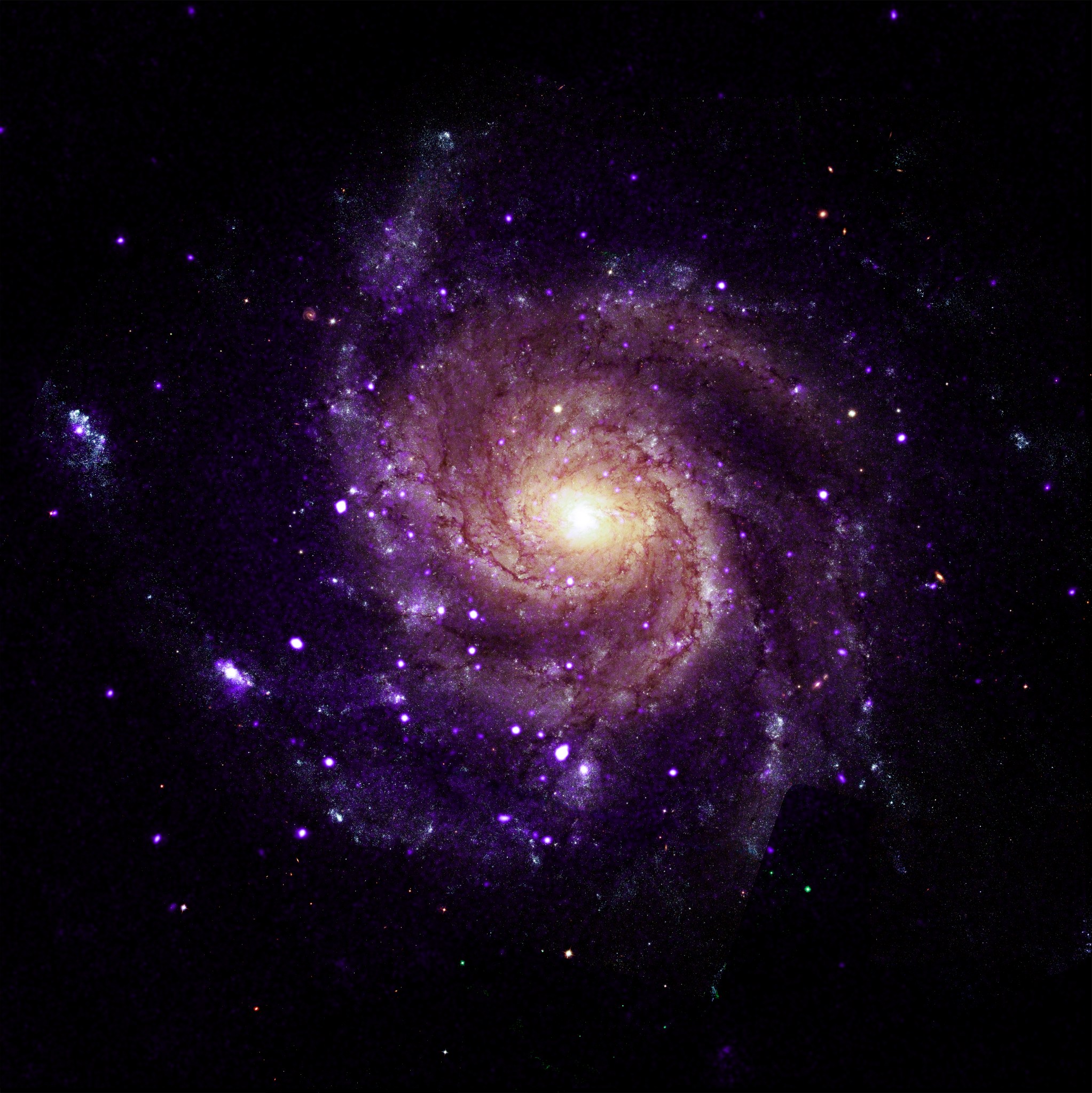
NASA's Chandra X-ray Observatory has detected mysterious objects in the Pinwheel Galaxy, known as M101, emitting unusually low-energy X-rays alongside intense ultraviolet radiation. The findings were released on September 9, 2026, as part of a broader study examining multiple galaxies. Astronomers believe these newly identified objects are unlike previously catalogued X-ray sources. Researchers suggest the discovery could potentially help resolve two longstanding astronomical mysteries, though details remain under investigation.