SShortSingh.

Related stories

0
IndiaNDTV ·

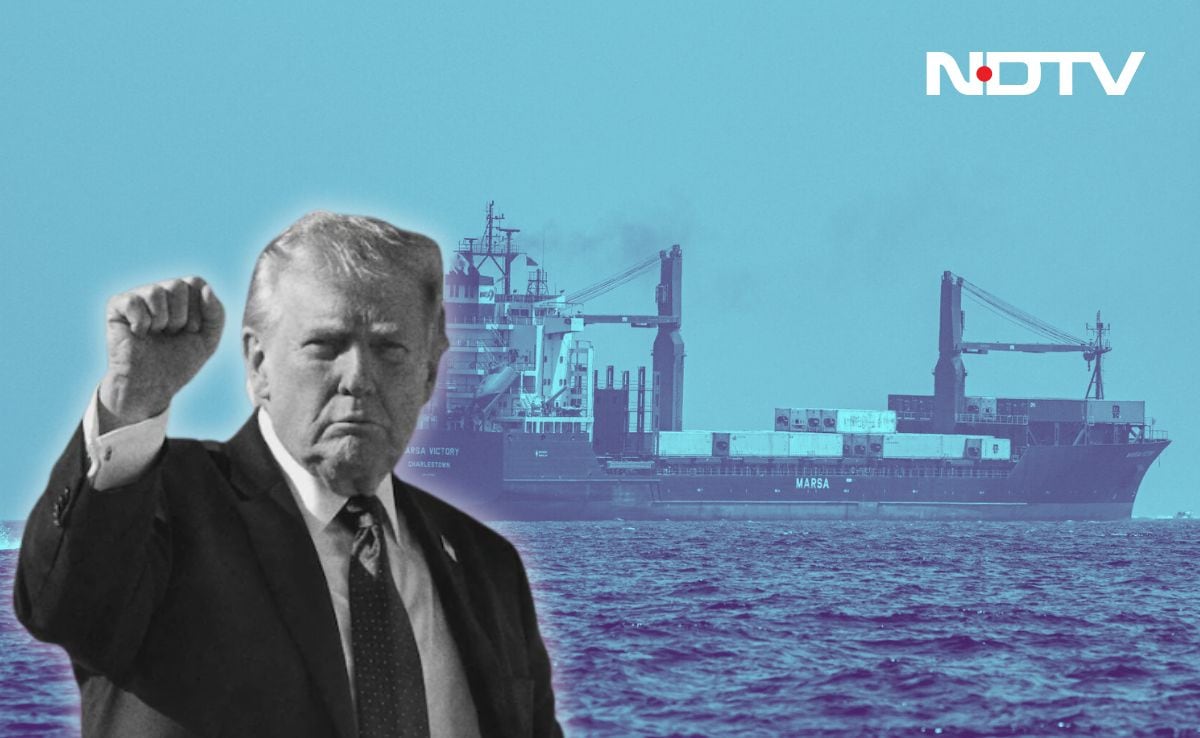
Trump Shifts Focus From Hormuz Transit Fee to Attracting Investment and Jobs

US President Donald Trump has moved away from his earlier idea of imposing a transit fee on the Strait of Hormuz. Instead, he is now emphasizing attracting factories, plants, and equipment to the United States. Trump claimed this investment would arrive at historic levels, driving the creation of high-paying American jobs. The shift signals a change in his economic messaging toward domestic industrial growth over maritime toll proposals.

0
IndiaNDTV ·

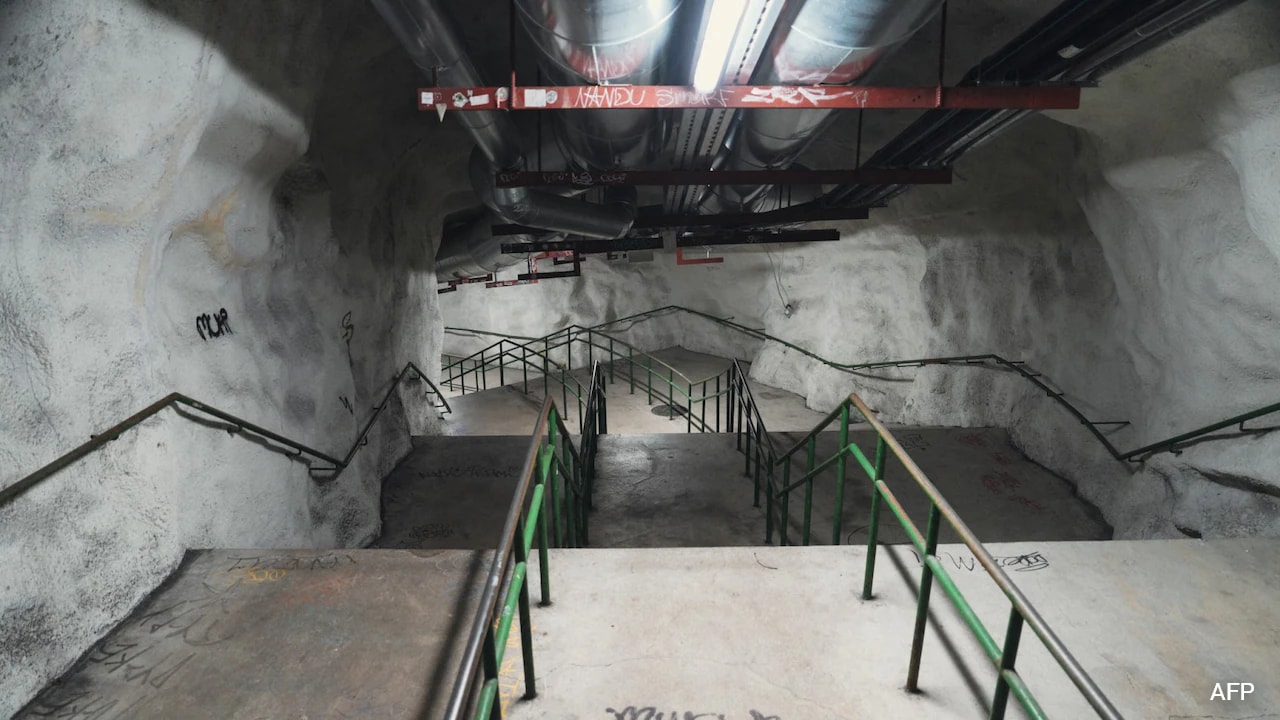
Finland's Underground War Preparations Reflect Its Long Border With Russia

Finland shares an 830-mile border with Russia, the longest of any NATO member, with its capital Helsinki situated fewer than 200 miles from St Petersburg. Due to its geographic proximity to Russia, Finland has historically maintained a state of war readiness. The country never fully demilitarized after past conflicts, keeping its defense infrastructure active and prepared. This sustained preparedness is visibly reflected in Finland's underground facilities and civil defense systems built beneath its cities.

0
IndiaTimes of India ·

NCP leaders dismiss notice challenging Sunetra Pawar's election as party chief

Senior NCP leaders Praful Patel and Sunil Tatkare have rejected a notice questioning the legitimacy of Sunetra Pawar's election as party chief. The notice alleged her election was unconstitutional and demanded it be declared void. Tatkare described the notice as illegal and said the party would assess its legal standing. Both leaders maintained that Sunetra Pawar's election was conducted in accordance with the party's constitution. They also emphasized that the party remains united under her leadership.

0
IndiaNDTV ·

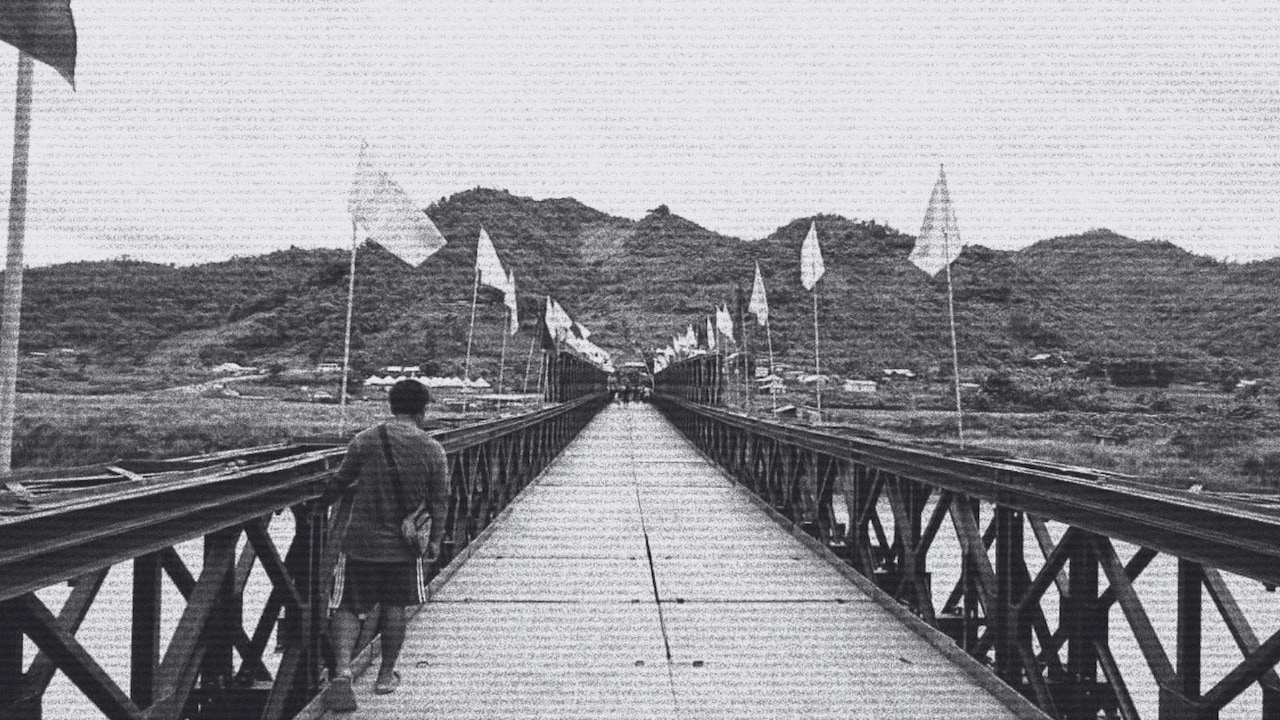
How New Roads in Manipur Are Fueling Demands to Redraw Its Political Map

A growing discourse in Manipur suggests that infrastructure development, particularly road construction, is quietly reshaping political aspirations in the region. The concept of 'Zalengam', a proposed separate homeland, has gained renewed attention through cultural expressions like diary writings that document community identity. Analysts observe that by physically connecting previously isolated territories, roads can make demands for administrative or constitutional reorganization feel more practical and achievable. This pattern reflects a broader historical trend where infrastructure investment precedes and enables political movements. The situation highlights how development projects in conflict-sensitive regions can carry unintended political consequences.