SShortSingh.
Back to feed

Ex-Robinhood engineer pleads guilty to insider trading on Hyperliquid

0
·4 views
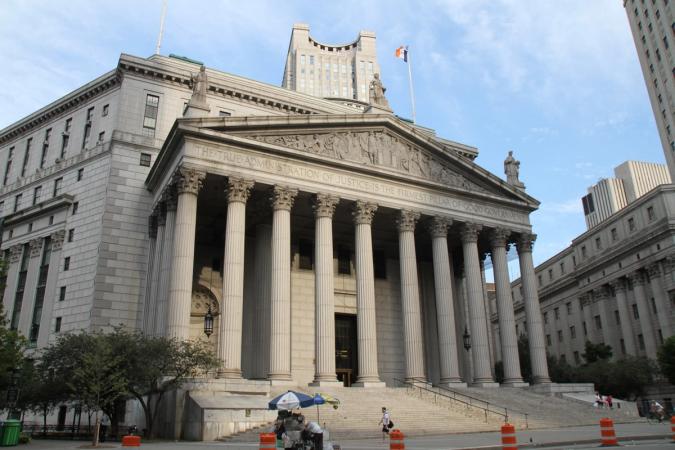
Huaisong Xiang, a former Robinhood engineer, has pleaded guilty to an insider trading scheme. He admitted to using confidential information about upcoming crypto listings to trade perpetual futures on the Hyperliquid platform. His trades generated profits of $125,523. The case highlights ongoing regulatory scrutiny of insider trading in crypto markets. Further details on sentencing were not included in the source report.

Read the full story at CoinDesk

This is an AI-generated summary. ShortSingh links to the original source for the complete article.
Discussion (0)

Log in to join the discussion and vote.

Log in

Related stories

0
Crypto & Web3CoinDesk ·

Bitcoin Could Slip Below $60,000 as Nvidia Earnings Loom Over Crypto Sell-Off

Bitcoin faces the risk of dropping under $60,000 as the broader crypto market continues to sell off. Rising bond yields, outflows from ETFs, and forced liquidations are pressuring the price. Traders are reportedly bracing for further losses ahead of Nvidia's earnings report, which could add to the downward pressure. The article frames the situation as a potential deepening of the current crypto downturn.

0
Crypto & Web3CoinDesk ·

Senate Democrats urge CFTC to drop demand that prediction markets defy state bans

U.S. Senate Democrats have called on the Commodity Futures Trading Commission to reverse its directive to prediction market platforms such as Kalshi. The CFTC had instructed these platforms to continue operating despite state-level bans. The lawmakers argue the agency should change course, pointing to existing court orders that address the matter. Their intervention puts pressure on the regulator over how federal and state authority should apply to prediction markets.

0
Crypto & Web3CoinDesk ·

Brazil's central bank draws criticism over remarks linking stablecoins to money laundering

A Brazilian central bank official reportedly stated that legitimate funds can become tainted once they are moved into stablecoins. The official drew a comparison between the stablecoin market and the informal "dólar-cabo" currency exchange system. The remarks have prompted backlash from parts of the crypto industry and observers who question the characterization. The source article provides limited detail on the specific response from critics and any official follow-up. The episode highlights ongoing regulatory debate in Brazil over how digital assets should be overseen.