Europe led on crypto regulation. Now implementation must match ambition
0
·40 views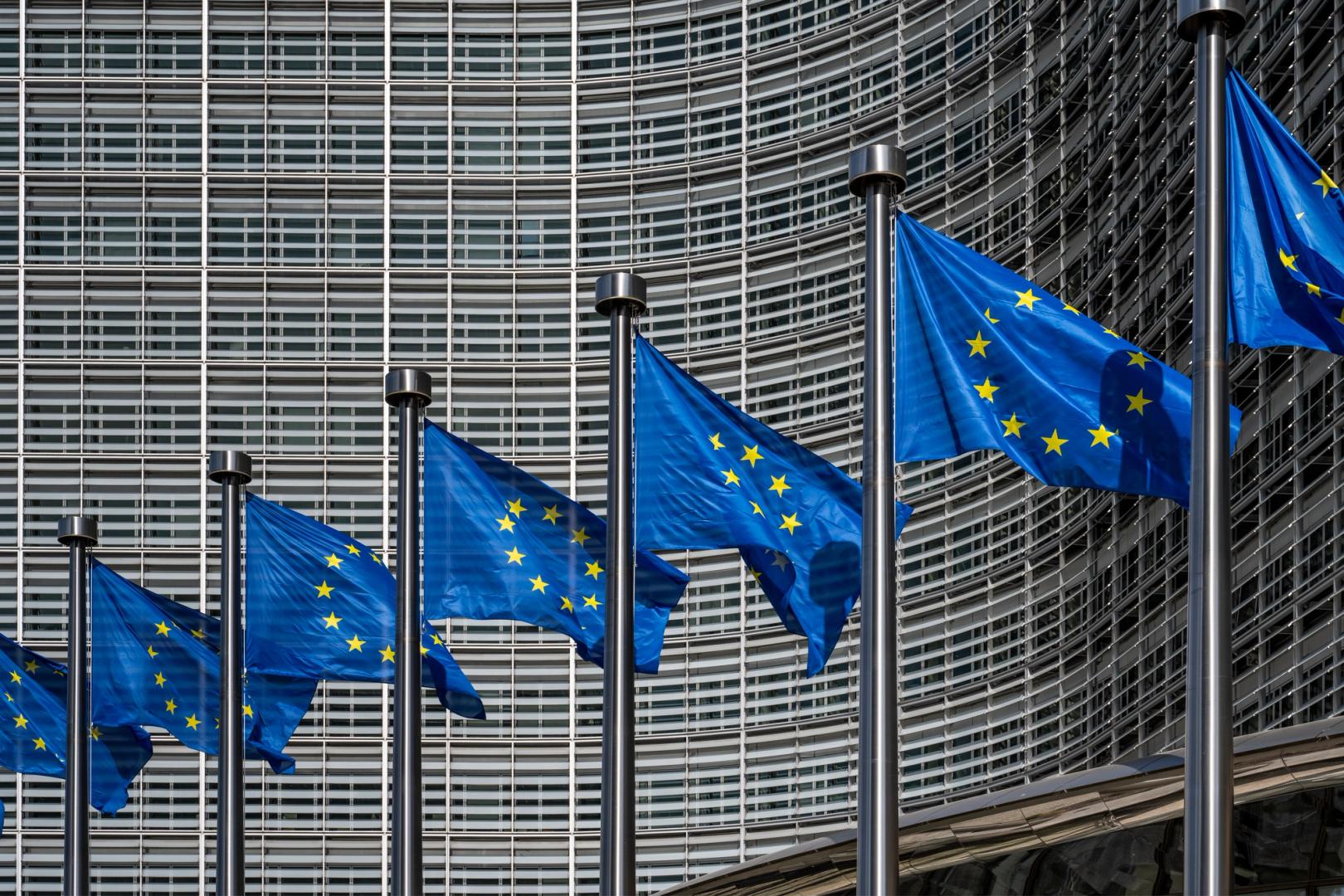
Read the full story at CoinDesk
This is an AI-generated summary. ShortSingh links to the original source for the complete article.
This is an AI-generated summary. ShortSingh links to the original source for the complete article.
Google says its Willow quantum chip can prepare the special quantum states required for advanced computations with roughly 40 times fewer errors than before. This reduces a key hardware obstacle that would stand in the way of any future effort to break into bitcoin wallets. The development has drawn attention to the potential risk facing older, Satoshi-era bitcoin holdings. The source frames the improvement as a step that lowers one barrier, rather than a demonstrated attack on bitcoin itself.
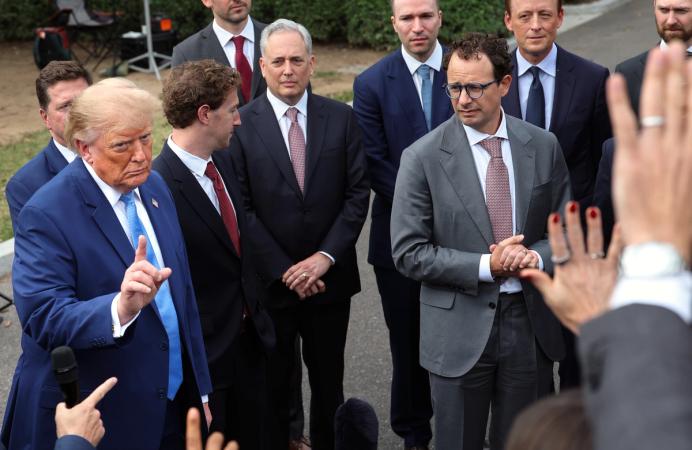
An opinion piece by Samuel Vance-Law, head of research at the Decentralization Research Center, argues that audits under a White House accord on AI will only be meaningful if auditors can choose what to test. The article contends that, under the current arrangement, Big Tech's AI auditors will only see what the companies show them. The piece frames independent discretion over testing scope as essential to the audits' value. The source material is a short opinion excerpt, so details of the accord's specific terms are not provided.
A new trading product will soon let investors wager on whether Coinbase, Robinhood and Marathon Digital reach their stated goals. The source material provided is limited, offering only a brief date-stamped preview header with no detailed description of the product's mechanics or launch timeline. Further specifics about the targets involved, the platform offering the bets, and regulatory considerations were not included in the text. The announcement reflects growing interest in event-based and prediction-style financial products tied to crypto-related companies. Additional details are needed to fully report on the offering's scope and potential impact.

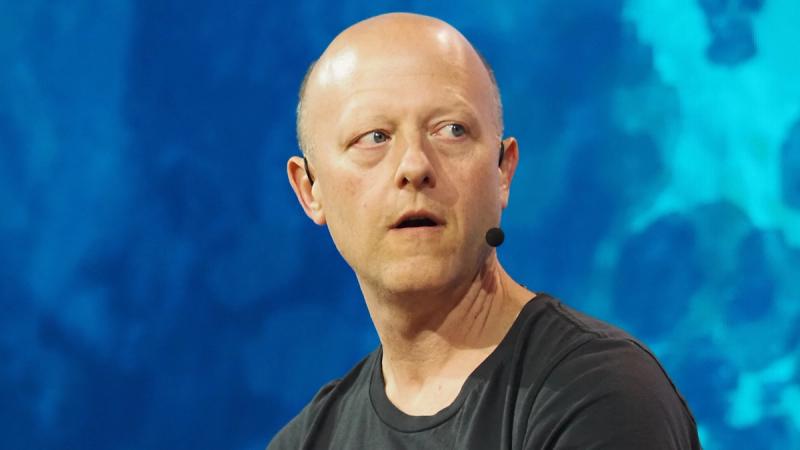
Stablecoin issuer Circle is targeting 40 new markets, according to comments its CEO, Jeremy Allaire, made to Reuters. Allaire said demand for digital dollars is growing across Asia, Africa, and Latin America. The growth is being driven in part by banks and payment firms. The report frames the expansion as a response to rising global interest in stablecoins.
Discussion (0)
Log in to join the discussion and vote.
Log in