SShortSingh.
Back to feed

Destroying Starlink Would Backfire on China and Russia, Analysts Warn
0
·34 views

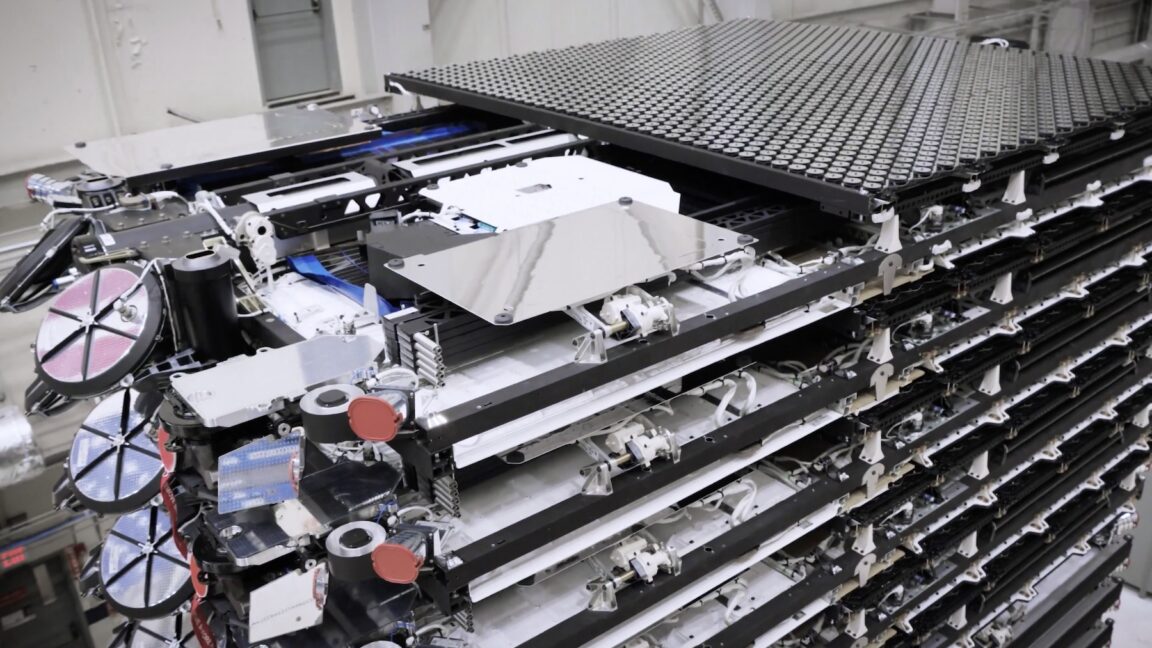
Military analysts have raised questions about whether China and Russia could realistically destroy SpaceX's Starlink satellite constellation. Experts suggest that any attempt to do so would carry severe consequences for the attacking nations themselves, likening the outcome to a boomerang effect. Destroying hundreds of satellites could trigger Kessler Syndrome, a cascade of orbital debris that would render low Earth orbit unusable for all parties. This mutual vulnerability is seen as a deterrent, making a large-scale attack on Starlink strategically self-defeating. Analysts note that similar debates are expected to arise once China deploys its own Starlink-equivalent satellite constellation.

Read the full story at Ars Technica

This is an AI-generated summary. ShortSingh links to the original source for the complete article.
Discussion (0)

Log in to join the discussion and vote.

Log in

Related stories

0
TechnologyTechCrunch ·

Amazon launches TorchNeuron to bring PyTorch developers onto its own AI chips

Amazon is moving to reduce Nvidia's dominance over PyTorch, the free toolkit that most AI applications are built with. The company's aim is to make it easier for developers to run their apps on alternative chips, including Amazon's own. The push is framed as one of its most direct challenges to Nvidia so far. The source article is brief, so details on the tool's exact features and timing are not specified here.

0
TechnologyTechCrunch ·

Hackers breach AI coding tool OpenCode, racking up charges on users' AI accounts

OpenCode, an open-source AI coding agent gaining popularity as an alternative to Claude Code and Cursor, was targeted by hackers. The attackers gained access to part of the tool's online platform and stole API keys belonging to some users. Those keys were then used to run up charges on the affected users' AI accounts. OpenCode's team reportedly turned to AI tools for help analyzing the intrusion, but those tools repeatedly declined to examine the malicious code.

0
TechnologyArs Technica ·

Startup Tests Undersea Volcano as Energy Source in Proof-of-Concept Trial

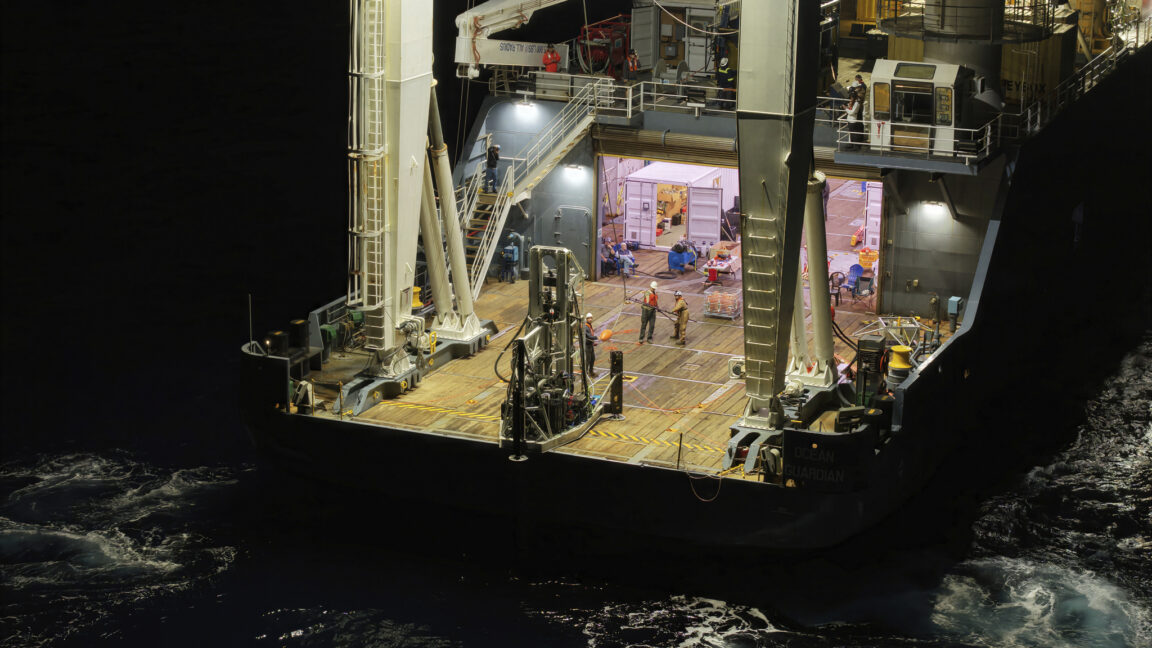
A startup has tested whether heat from an underwater volcano can serve as an energy source, presenting the work as a proof point. The project explores undersea geothermal power as a possible way for Pacific Rim nations to reduce their reliance on oil imports. The article frames the test as an early step rather than a finished commercial system. Specific details on location, timing, and results are limited in the source text provided.

0
TechnologyTechCrunch ·

AI companion app Tolan raises $30M after reaching 250,000 active users

Tolan, an AI companion app designed to help users navigate everyday life, has secured $30 million in new funding. The company reports that it has attracted more than 250,000 active users. The round follows the startup's earlier fundraising and reflects continued investor interest in consumer AI companions. The source report provides limited detail beyond the funding amount and user figures.