SShortSingh.
Back to feed

Delhi Court Grants Bail to Cook Arrested Over Malviya Nagar Hotel Fire

0
·1 views
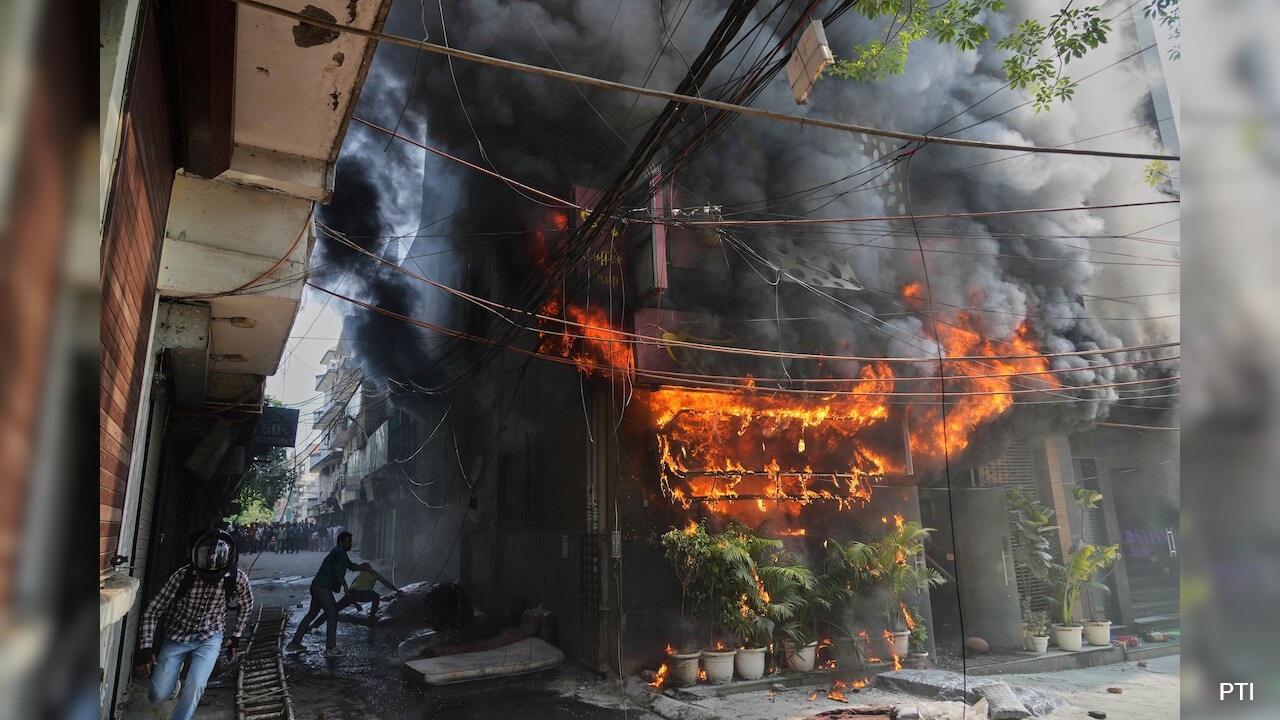
A Delhi court has granted bail to Keshar Negi, a cook arrested in connection with a deadly hotel fire in Malviya Nagar. Negi was taken into custody last month following investigations into the blaze. Authorities alleged that his negligence was a contributing factor in causing the fire. The incident originally occurred on June 3 at the hotel in Malviya Nagar, Delhi.

Read the full story at NDTV

This is an AI-generated summary. ShortSingh links to the original source for the complete article.


Discussion (0)

Log in to join the discussion and vote.

Log in

Related stories

0
IndiaNDTV ·

Madras High Court Cancels Vijay's Compassionate Job Orders for Karur Stampede Victims

The Madras High Court has cancelled the compassionate government job appointment orders issued to families of Karur stampede victims. The orders had been distributed by Tamil Nadu Chief Minister Vijay during his visit to Karur earlier this month. The visit was part of a series of government and party programmes held in the district. The court's decision effectively nullifies the employment relief that had been granted to the affected families.

0
IndiaTimes of India ·

Delhi transport bodies to march to Parliament on Aug 4 over E20 fuel concerns

Delhi transport associations have announced a march to Parliament on August 4 to protest against ethanol-blended petrol, known as E20 fuel. The groups are demanding a rollback of the fuel, citing concerns over vehicle damage and reduced mileage. Protesters argue that the mandated fuel blend is harming their vehicles and livelihoods. The Indian government, however, has maintained that E20 fuel is safe and offers broader environmental and economic benefits. The demonstration is intended to pressure lawmakers into addressing the transport sector's grievances over the fuel policy.

0
IndiaTimes of India ·

From Kahuta to Kahuta: Why India Chose Diplomacy Over a Pre-emptive Nuclear Strike

The ongoing West Asia conflict, centered on Iran's nuclear ambitions and strikes on facilities like Natanz in 2025, has renewed debate about pre-emptive attacks on nuclear programmes. Historically, such strikes have included Allied raids on German heavy-water plants in WWII, Israel's destruction of Iraq's Osiraq reactor in 1981, and its strike on Syria's al-Kibar site in 2007. Unlike these precedents, India chose not to target Pakistan's Kahuta nuclear facility during the 1980s, a decision widely seen as allowing Pakistan to complete its nuclear weapons programme. To reduce bilateral tensions, India and Pakistan signed a 1988 agreement barring attacks on each other's nuclear installations. Today, India focuses on strategic survivability by developing layered missile defence systems rather than pursuing pre-emptive options.