SShortSingh.
Back to feed

Curiosity Rover Accidentally Uncovers First Sulfur Crystals on Mars

0
·2 views

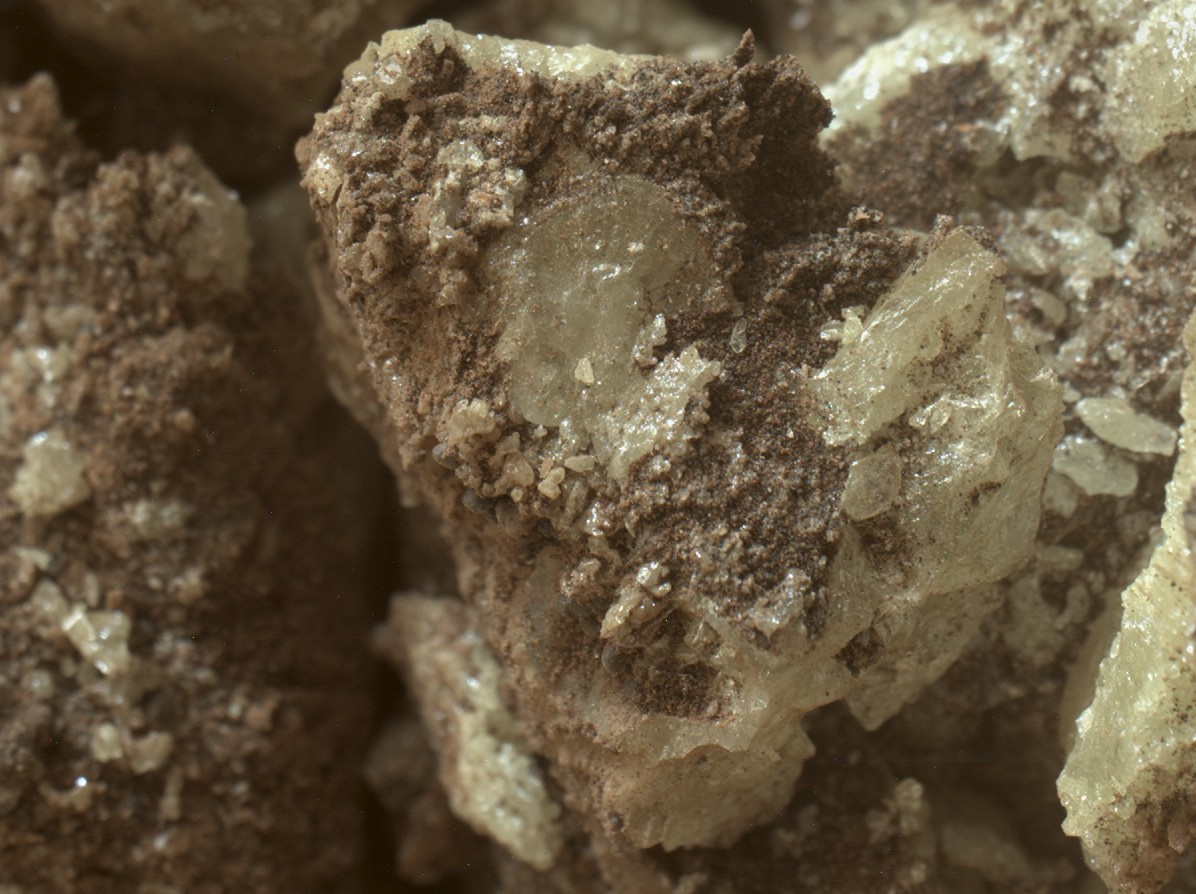
NASA's Curiosity Mars rover made a historic discovery on May 30, 2024, when it accidentally crushed a rock while driving across the Martian surface. The broken rock revealed fragments of sulfur crystals, marking the first time such crystals have ever been observed on Mars. The discovery was unplanned, resulting purely from the rover's routine movement over the terrain. In the days following the incident, Curiosity used a camera mounted on its robotic arm to capture close-up images of the exposed crystals.

Read the full story at NASA

This is an AI-generated summary. ShortSingh links to the original source for the complete article.
Discussion (0)

Log in to join the discussion and vote.

Log in

Related stories

0
SpaceNASA ·

NASA Astronaut Anil Menon to Launch to ISS Aboard Soyuz MS-29 on July 14

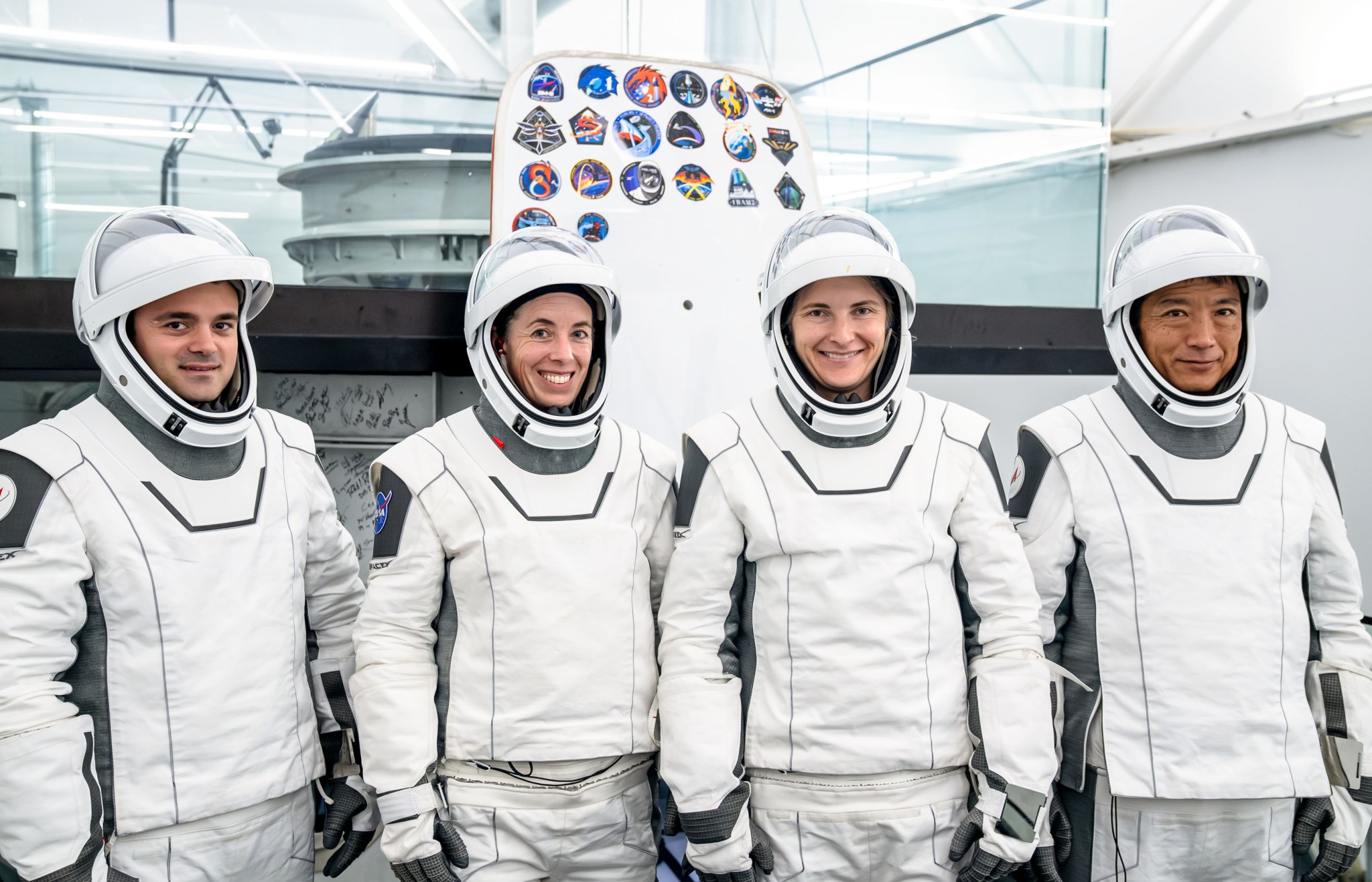
NASA astronaut Anil Menon is set to travel to the International Space Station on Tuesday, July 14, alongside Russian cosmonauts Pyotr Dubrov and Anna Kikina. The crew will launch aboard the Roscosmos Soyuz MS-29 spacecraft from Baikonur Cosmodrome at 10:47 a.m. EDT. Upon arrival, the trio will join the Expedition 74 crew already stationed aboard the ISS. Their mission will contribute to ongoing scientific research conducted at the space station.

0
SpaceNASA ·

NASA's IXPE Telescope Maps Magnetic Fields of Lighthouse Nebula Pulsar

Scientists have used NASA's Imaging X-ray Polarimetry Explorer (IXPE) to directly measure the magnetic fields of pulsar PSR J1101−6101 for the first time. The pulsar is located within a region commonly known as the Lighthouse Nebula. The measurements offer new insight into the structural properties of pulsars, which are among the most extreme objects in the universe. This milestone advances scientific understanding of how magnetic fields behave around dense, rapidly rotating stellar remnants.

0
SpaceNASA ·

NASA Reports Assess Umbra Radar Satellite Data for Earth Science Use

NASA has released Principal Investigator and Quality Assessment reports evaluating synthetic aperture radar (SAR) data from commercial provider Umbra. The assessments examine the suitability and reliability of Umbra's radar imagery for Earth science research and practical applications. The reports contribute to an expanding body of documentation exploring how commercial satellite data can support scientific work. NASA's findings reflect a broader effort to integrate commercially sourced data into its Earth observation programs.

0
SpaceNASA ·

NASA Tests Arctic Sea Ice Sensor Ahead of Planned Spacecraft Launch

Engineers at NASA's Jet Propulsion Laboratory in Southern California are currently testing a spacecraft sensor designed to measure the rate of Arctic sea ice loss. The instrument is not expected to launch for at least another year, but preparations for its use are already underway. Scientists recently conducted a field campaign in the Canadian wilderness to support this effort. Researchers spent two weeks gathering data in the field as part of the preparation process.