Chicxulub crater may have hosted life for millions of years post-impact
0
·3 views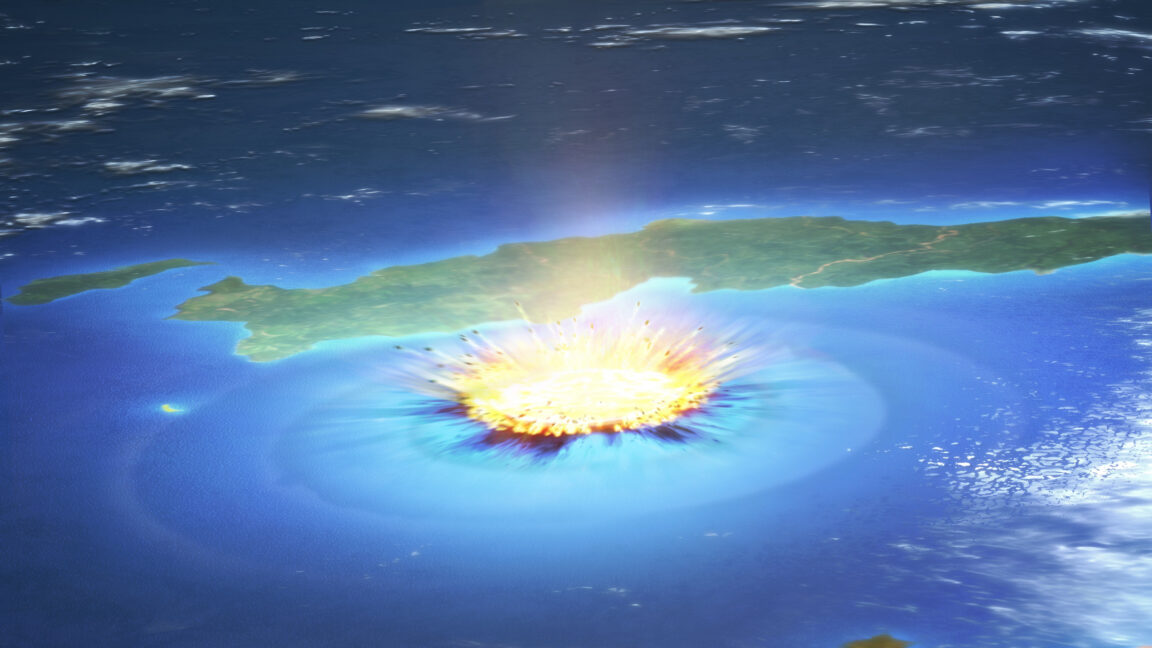
New research suggests the Chicxulub crater, formed by the asteroid impact that killed the dinosaurs, could have sustained microbial life. This possibility stems from the presence of a long-lasting, subterranean hydrothermal system. Hot, nutrient-rich water likely circulated through the crater's fractured rock for over five million years. These conditions would have created potential habitats for heat-loving organisms in the aftermath of the cataclysm.
This is an AI-generated summary. ShortSingh links to the original source for the complete article.


Discussion (0)
Log in to join the discussion and vote.
Log in