SShortSingh.
Back to feed

Chandra X-ray Data Reveals Source of Repeated Outbursts from Unstable Star

0
·3 views
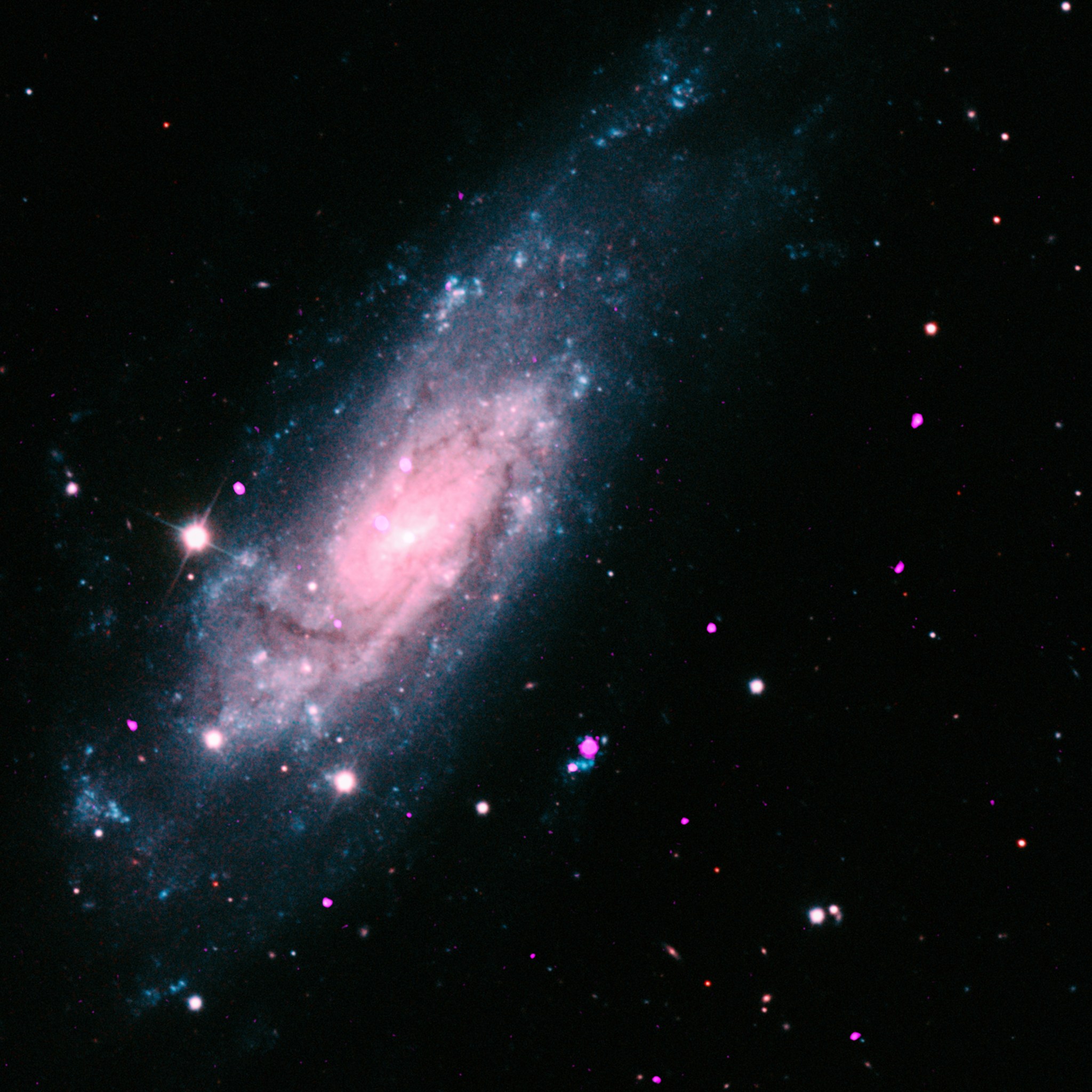
NASA's Chandra X-ray Observatory has helped astronomers identify what is driving recurring eruptions from a massive, unstable star. The star, designated AT 2016blu, sits in the spiral galaxy NGC 4559. That galaxy lies roughly 30 million light-years from Earth. The findings were highlighted in an image released on November 9, 2026. The article text is truncated, so the full details of the star's estimated properties are not included here.

Read the full story at NASA

This is an AI-generated summary. ShortSingh links to the original source for the complete article.

Discussion (0)

Log in to join the discussion and vote.

Log in

Related stories

0
SpaceNASA ·

Gemini XII Astronaut Photos Helped Spark an Early Earth Observation Program

Astronauts James A. Lovell Jr. and Edwin E. "Buzz" Aldrin Jr. flew aboard Gemini XII from November 11 to 15, 1966, the last mission of NASA's Gemini program. The crew successfully carried out rendezvous maneuvers and spacewalks, which were key skills needed for future crewed trips to the Moon. During the flight, they also took photographs of Earth that helped encourage the start of an early Earth observation effort. The article's excerpt is cut off, so the full details of that program's development are not included here.

0
SpaceNASA ·

NASA's Astronomy Picture of the Day features NGC 206 in the Andromeda Galaxy

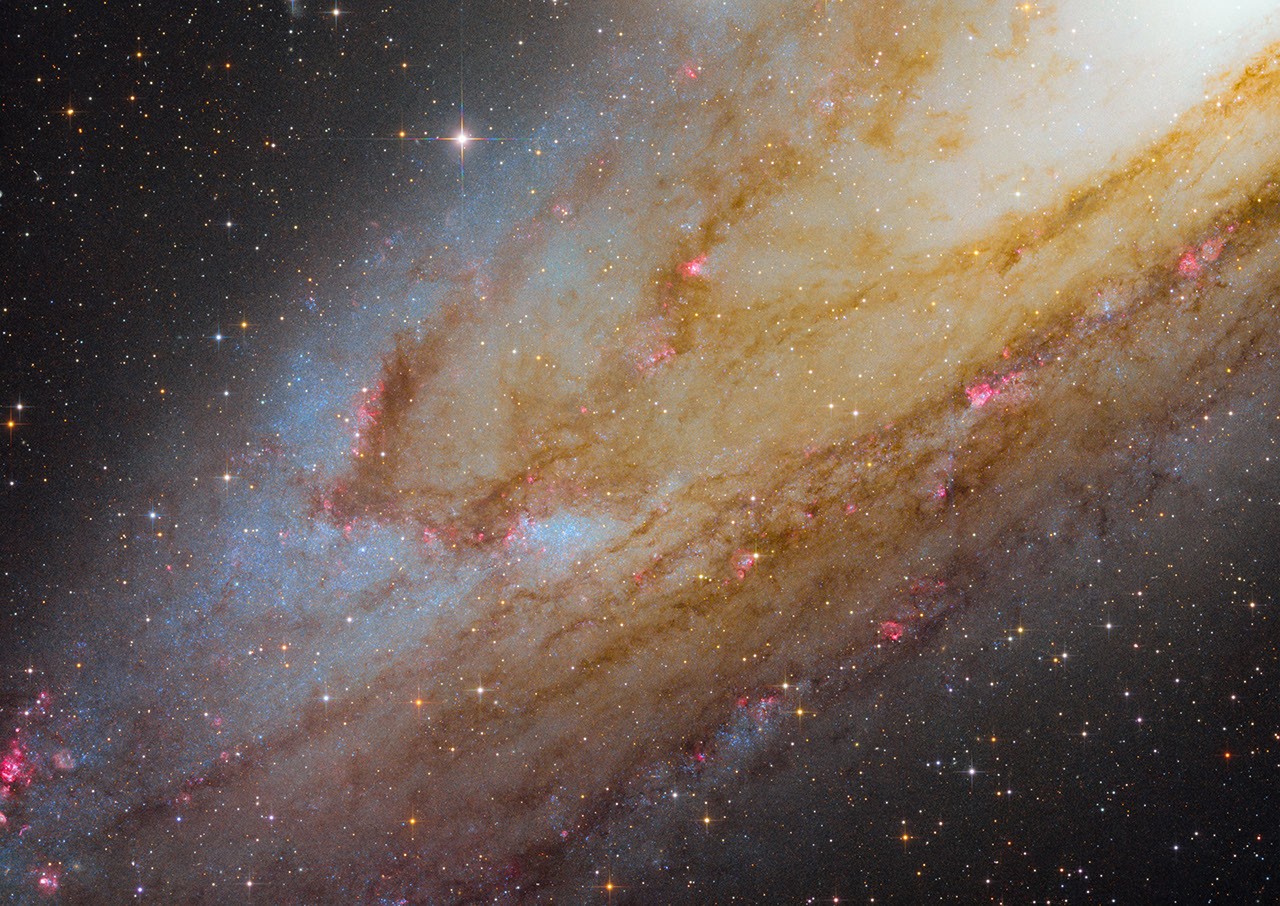
NASA's Astronomy Picture of the Day for November 13, 2026 highlights NGC 206, a star cloud within the Andromeda Galaxy. The feature pairs an image of the region with a brief explanation written by a professional astronomer. The daily series showcases notable pictures of the universe for public audiences. The source text available for this item is truncated, so further details about the object's properties could not be confirmed.

0
SpaceNASA ·

Global Mangrove Forests Show Signs of Recovery After Decades of Decline

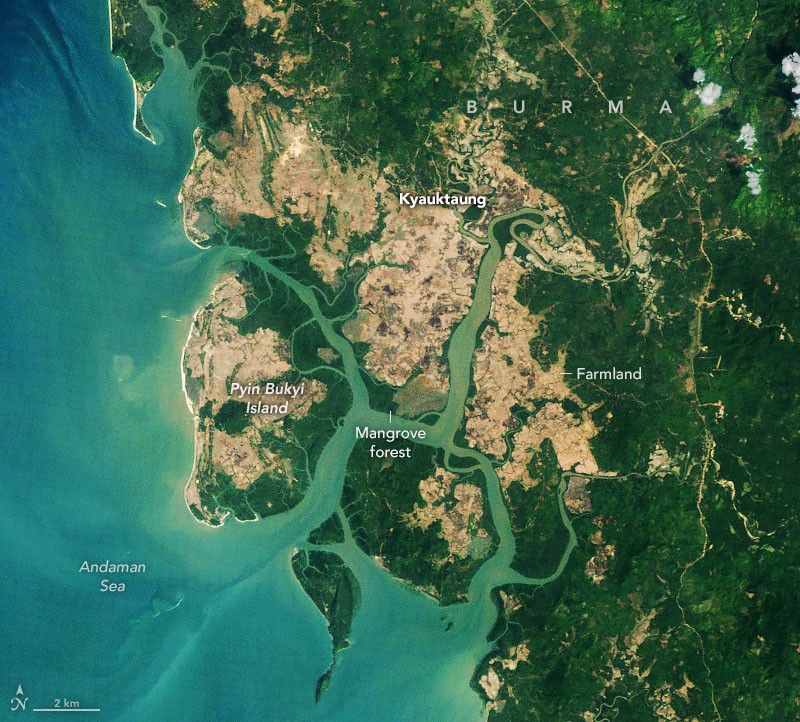
Mangrove forests, an ecologically important type of coastal woodland, are recovering after decades of loss. The rebound comes after a long period in which these forests shrank across many regions of the world. The source article, published by NASA, reports on this renewed growth. Because the original text is brief, it does not detail specific locations, timelines, or the causes behind the comeback. Further information would be needed to explain the scale and drivers of the recovery.

0
SpaceNASA ·

NASA Engineer Katie Spicer Leads Lander Integration for Artemis Moon Program

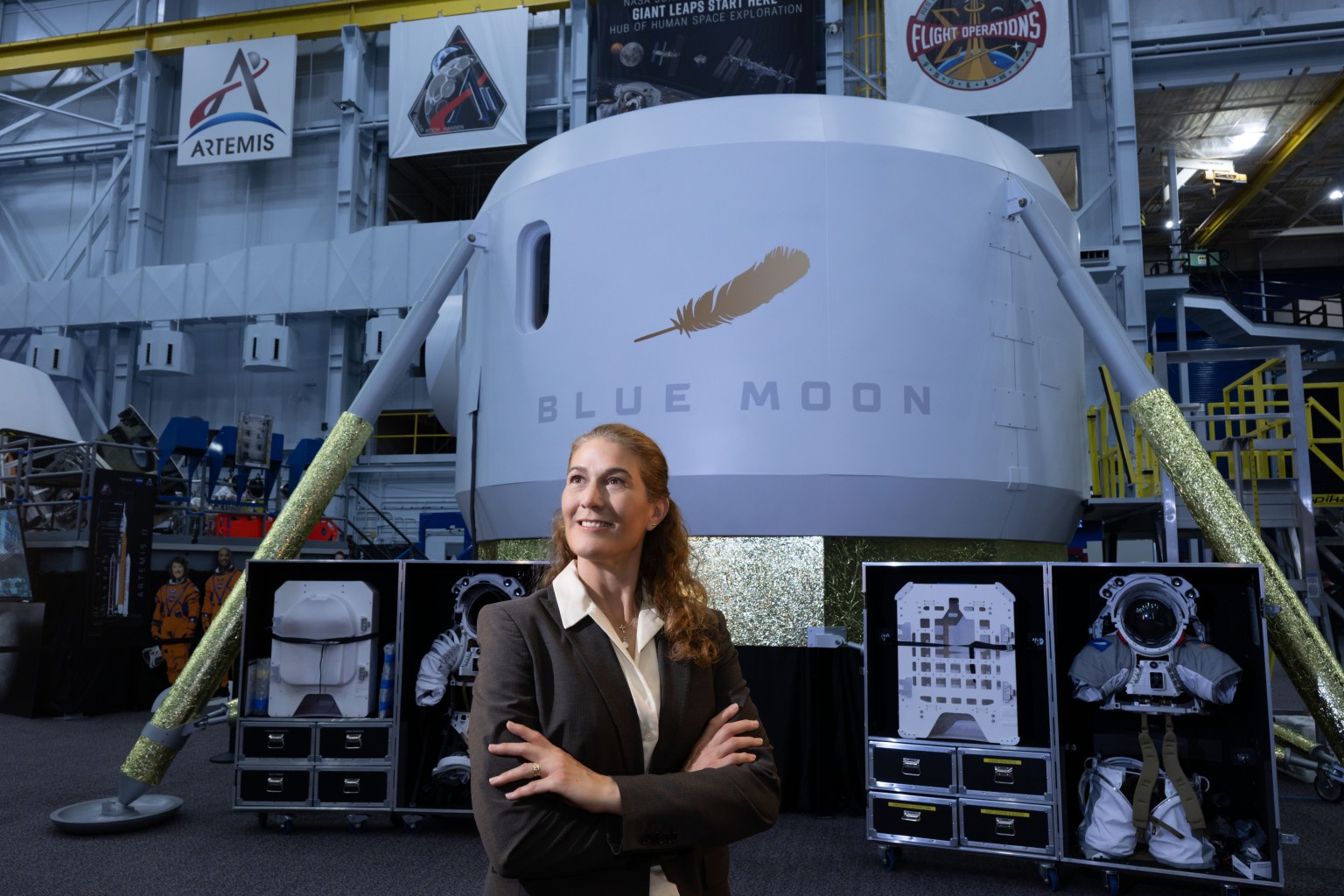
Katie Spicer has built her NASA career by embracing new opportunities and challenges. She now serves as NASA lander integration lead for Blue Origin's Blue Moon Mark 2 lander. The vehicle is one of the commercially provided human landing systems supporting NASA's Artemis program. Her role places her at the center of efforts to return astronauts to the Moon. The article describes her work as a chance to leave a lasting mark on the agency's history.