Centre to fence India-Myanmar border at Rs 31,000 crore
0
·1 views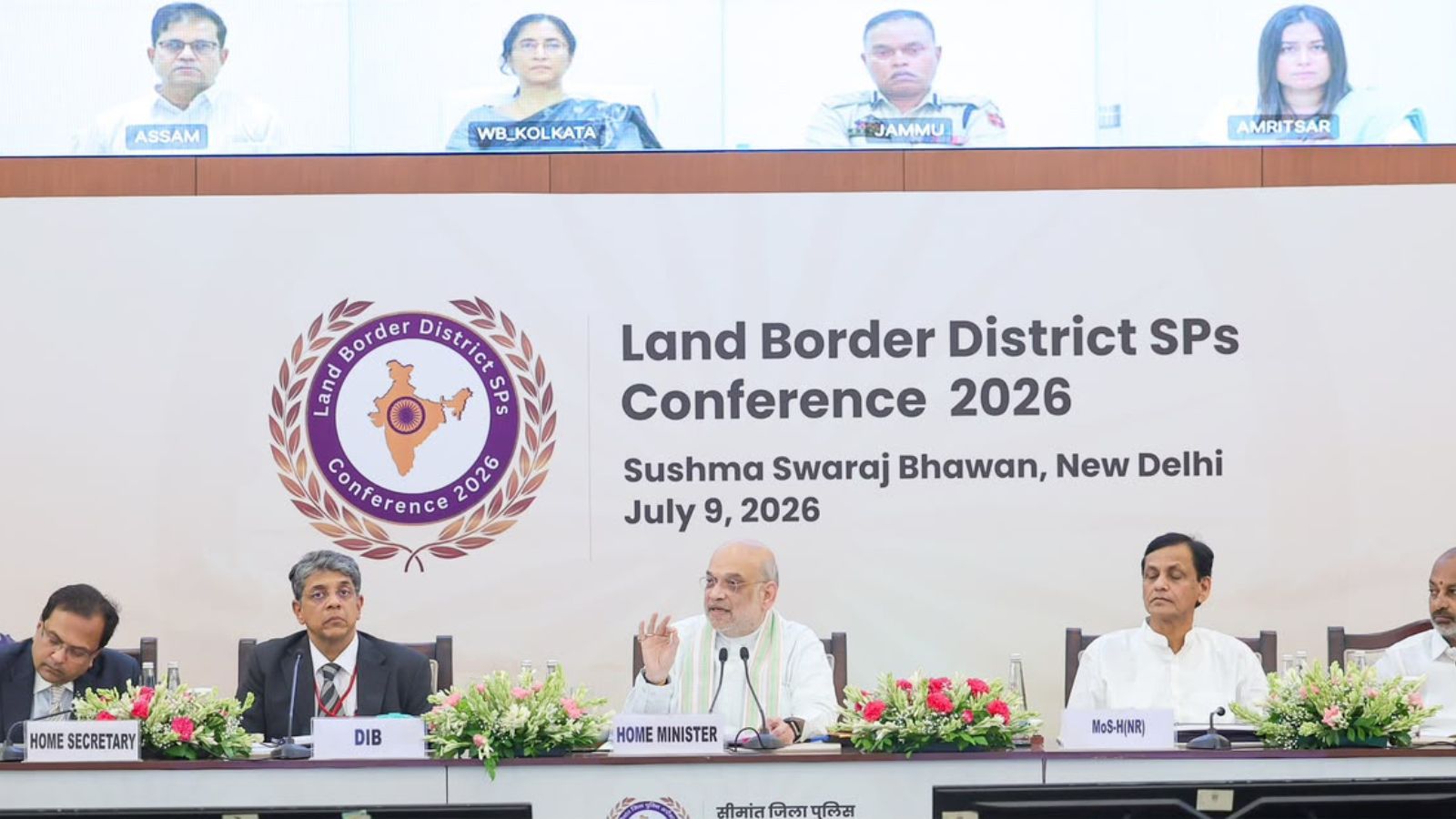
Read the full story at Indian Express
This is an AI-generated summary. ShortSingh links to the original source for the complete article.
This is an AI-generated summary. ShortSingh links to the original source for the complete article.
The Indian Air Force has secured third place in the 2026 World Directory of Modern Military Aircraft (WDMMA) global airpower rankings. This marks the fifth time since 2022 that the IAF has ranked ahead of China's People's Liberation Army Air Force. The WDMMA uses a proprietary True Value Rating system to assess air forces based on fleet size and overall composition. India's continued high ranking is supported by ongoing modernization efforts and active procurement programs aimed at strengthening its aerial capabilities. Despite the strong showing, analysts note that certain capability gaps within the IAF still remain to be addressed.
A below-normal monsoon season poses significant risks to India's rural economy and agricultural sector. Reduced rainfall is expected to pressure farm incomes, which could in turn push up food inflation in the coming months. Weaker rural earnings may also dampen consumer spending, slowing overall consumption demand. Microfinance institutions face greater vulnerability than banks due to their higher exposure to rural borrowers. While hydroelectric power generation could also take a hit, analysts suggest the broader economic outlook remains relatively stable.
Rishabh Agrawal, an IIT Bombay graduate, has revealed that he turned down a job offer from Meta worth well above $1 million. He chose instead to leave the tech giant and found his own artificial intelligence startup. Agrawal's decision underscores a broader shift among young Indian engineers who are increasingly favoring entrepreneurship over high-paying corporate roles. The move is seen as reflective of a growing deep-tech startup culture taking root in India's evolving technology ecosystem.
A new study has raised significant geological concerns about China's massive dam project on the Brahmaputra river, with the warnings reportedly coming from Chinese scientists themselves. The project has already been a source of geopolitical tension, particularly drawing repeated objections from India over upstream water control. India has long cited risks to water security, ecology, and downstream communities as key concerns. The latest findings add a new dimension to the controversy by highlighting natural threats to the dam's viability. The report questions whether the project carries substantial geological risks beyond its already contentious political implications.
Discussion (0)
Log in to join the discussion and vote.
Log in